by XINDA XINDA No Comments

How to choose a steam boiler suitable for the medical industry?

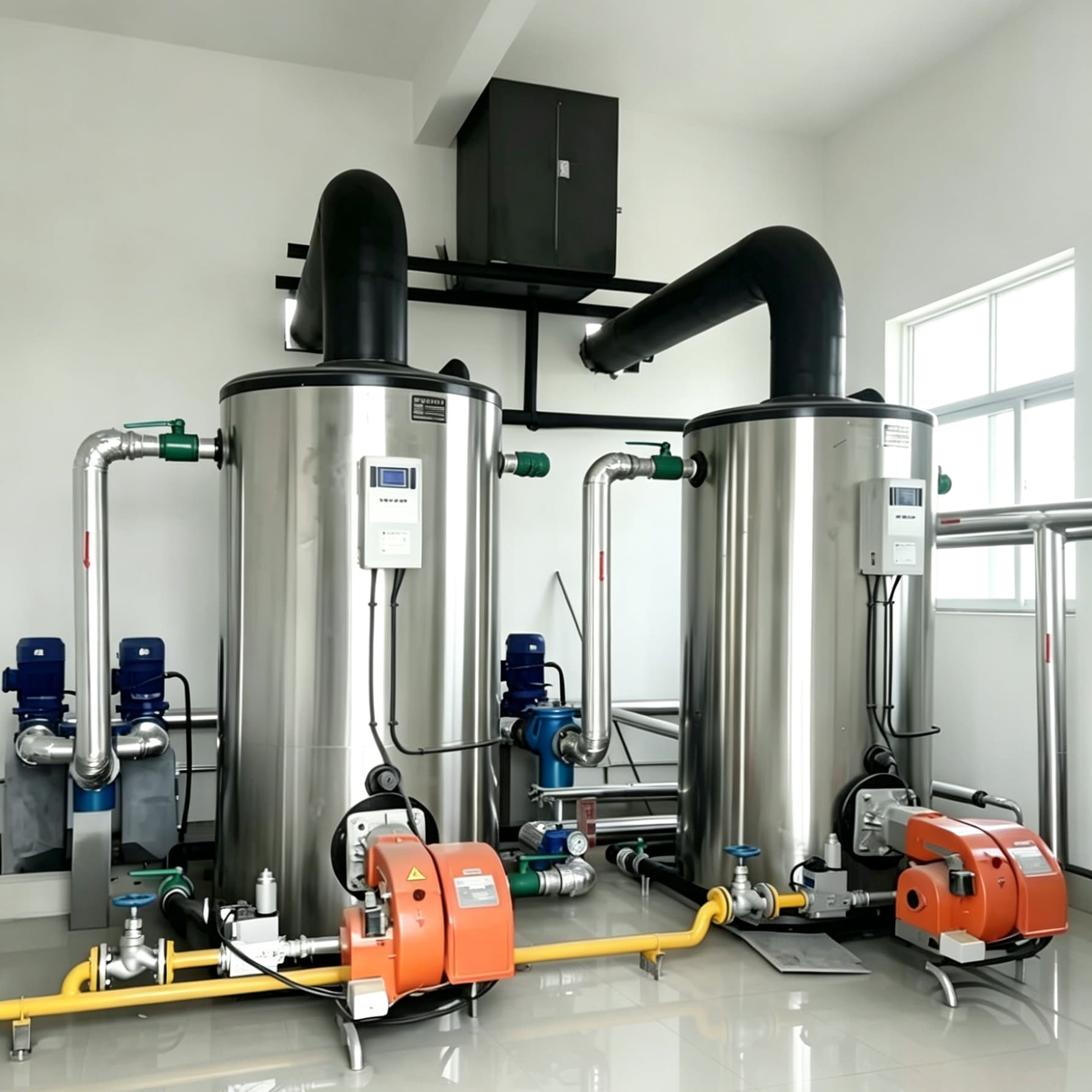
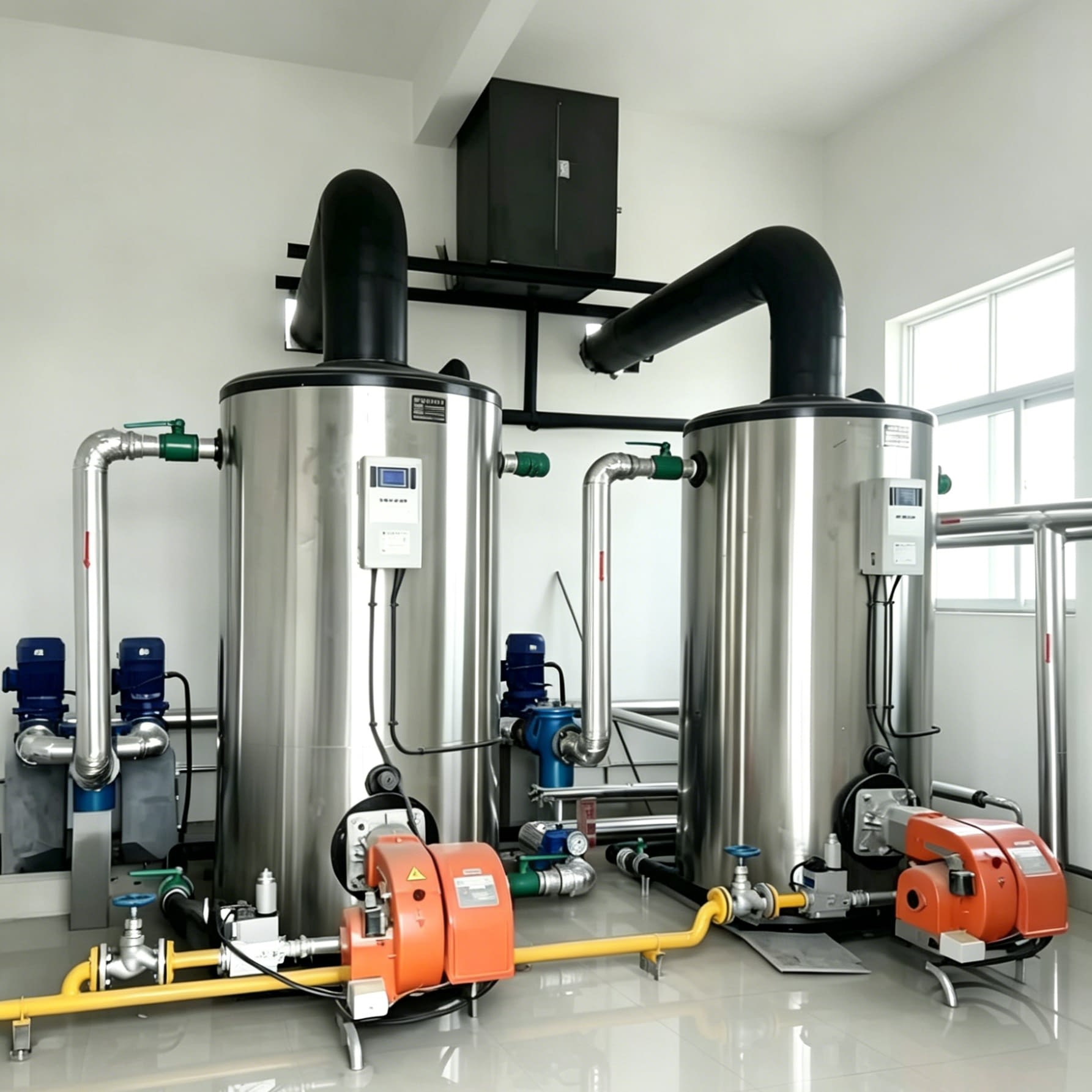
Here is a brief introduction on how to choose a suitable steam boiler for the medical industry:

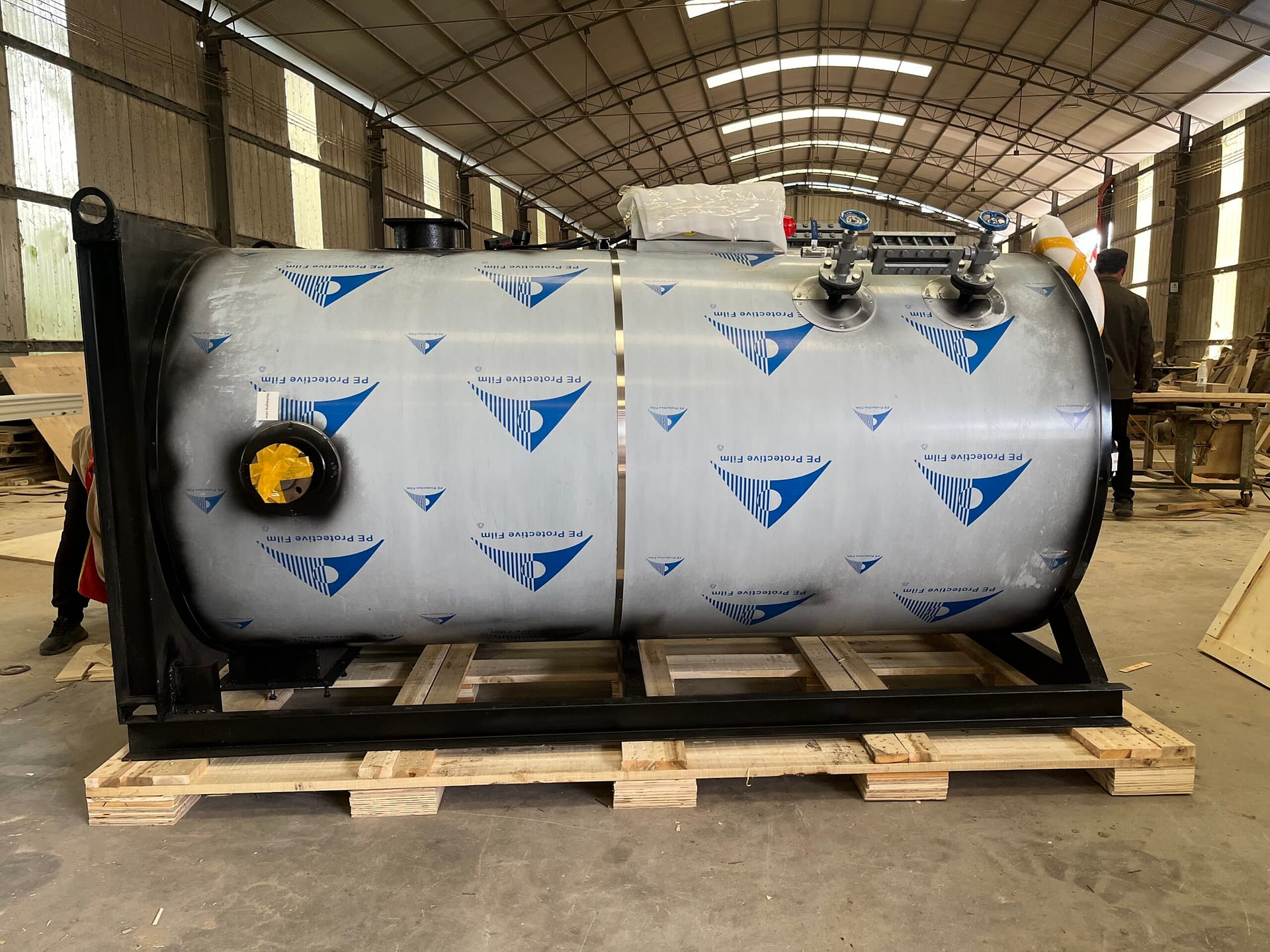
1.Calculate the tonnage (size)
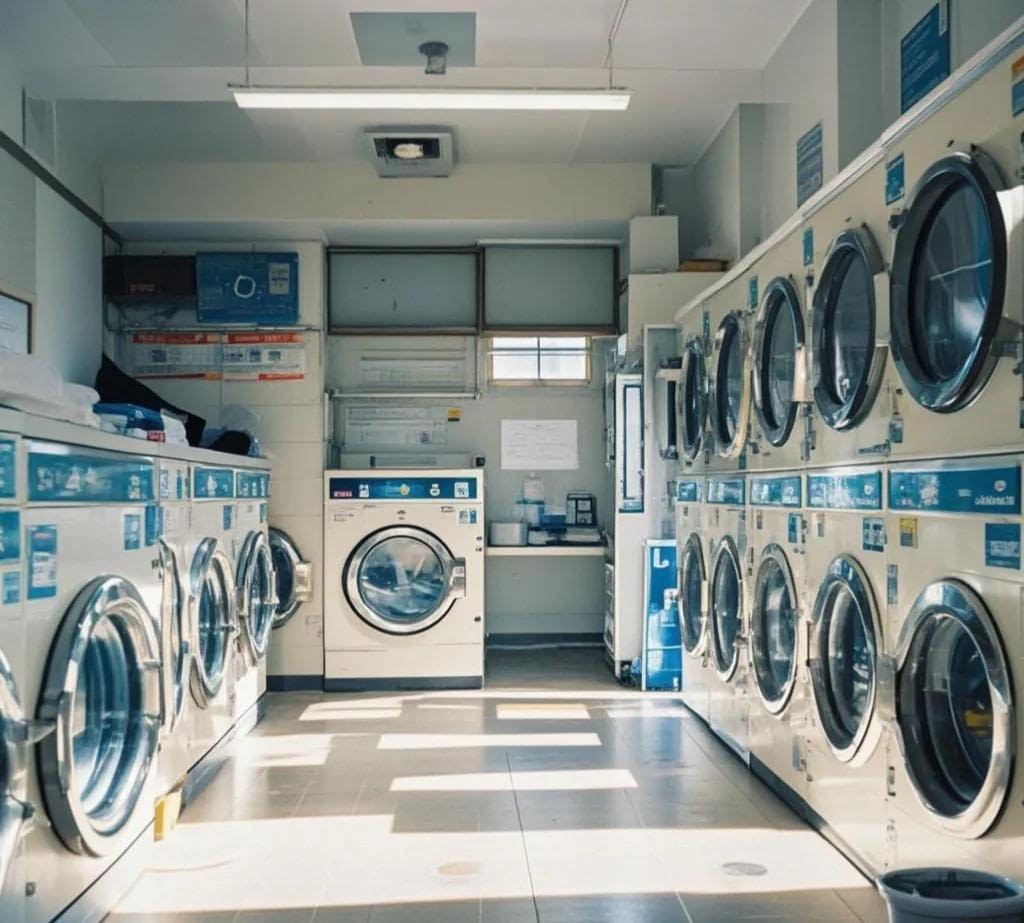
For sterilization cabinets, beds and laundry room equipment, an additional 20% margin should be reserved based on the maximum simultaneous steam consumption.
For large hospitals, two units (one in use and one as a backup) are provided, while for clinics, a single small boiler is needed.

2. Select fuel
In urban areas, there is natural gas: gas-fired condensing low-nitrogen boilers (the first choice, cost-effective and environmentally friendly)
Outpatient department, no gas: Electric heating boiler (clean, small footprint)
In remote areas without gas: Fuel is only used as a backup and is not recommended as the main force

3. Fixed pressure
Uniformly select a 1.0MPa steam boiler to supply the pure steam generator for sterilizing the instruments.

4. Mandatory accessories (Medical hard requirements)
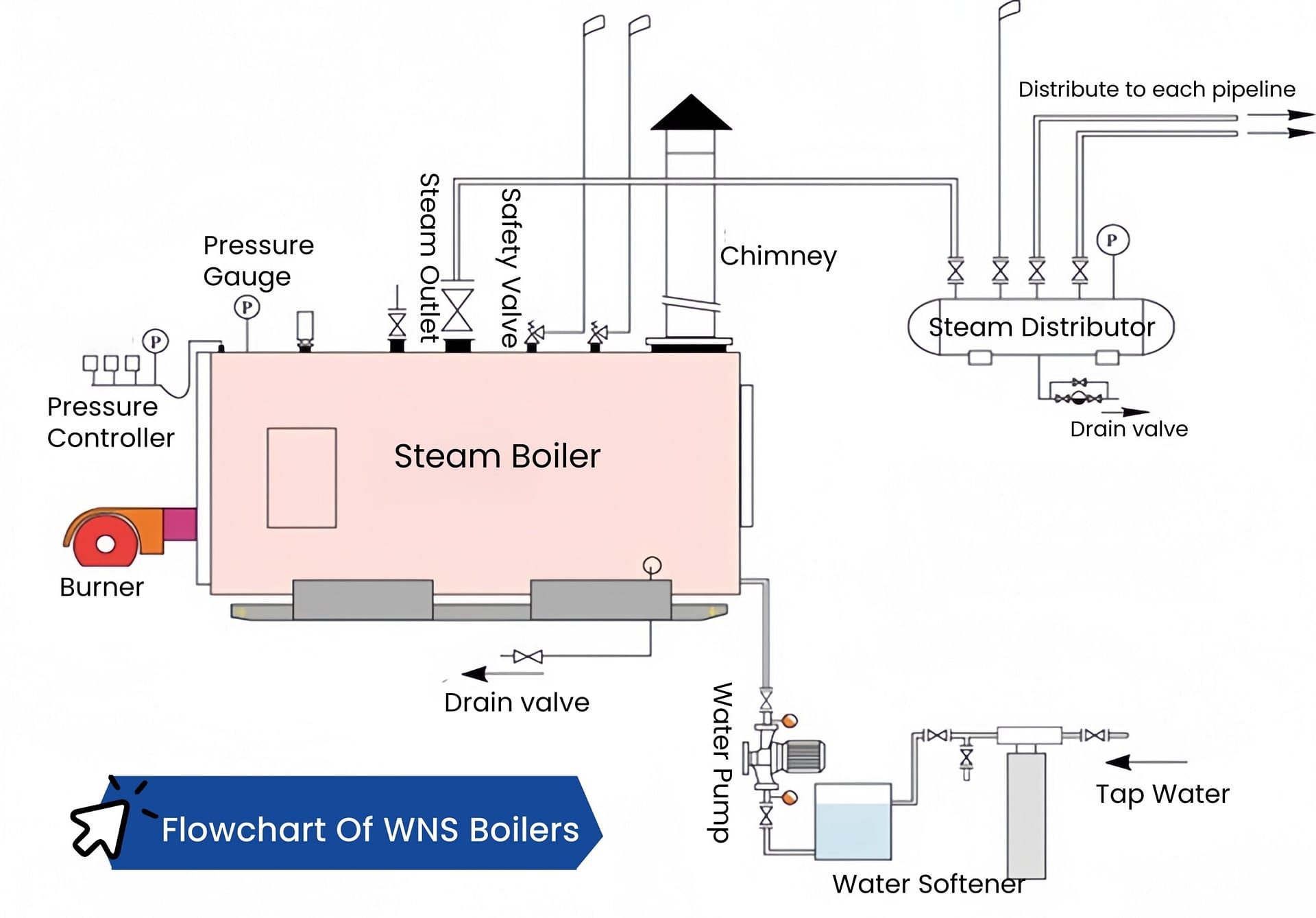
Boiler steam cannot be directly disinfected and a 316 pure steam generator must be added. It is also equipped with a water softener.

5. Strict safety requirements
High and low water level, overpressure, flameout alarm, fully automatic PLC control, fault alarm.

6. Check the qualifications and after-sales service
It is necessary to have a special equipment production certificate, local after-sales service, and be convenient for emergency repair.

by XINDA XINDA No Comments

Steam boilers are used in the chemical industry

Steam boilers are one of the indispensable equipment in chemical production, running through the entire production process. They play a decisive role in the normal operation of enterprises, product quality, cost control and safe production.
First of all, it is the fundamental guarantee for the core processes of chemical engineering. The vast majority of key processes in chemical synthesis, reactions, distillation, evaporation, drying, etc. rely on steam as the heat source. Only a stable steam supply can keep the production line running continuously. Once the steam supply is interrupted, the entire production facility will be forced to stop.
Secondly, ensure the normal operation of materials and equipment. In chemical production, a large number of media have the characteristics of high viscosity, easy solidification and easy crystallization. Relying on steam tracing can effectively prevent the blockage of pipelines and storage tanks. It can also insulate instruments and valves, ensuring the precise operation of the automatic control system and preventing production abnormalities caused by equipment failures.
Furthermore, it can effectively reduce costs and increase efficiency. Steam has high heat exchange efficiency, uniform heat supply, and lower operating costs compared to other heating methods. Large-scale chemical enterprises can also utilize high-pressure steam to achieve cogeneration of heat and power, realizing the stepwise utilization of energy. Coupled with the centralized steam supply mode, this further reduces equipment investment and operation and maintenance costs.
At the same time, directly control the product quality. The pressure and temperature of steam are easy to precisely control, which can maintain the required working conditions of the process for a long time, reduce reaction fluctuations and the generation of by-products, and ensure the stability of product performance and the compliance of the qualification rate.
Finally, it concerns safety production and environmental protection compliance. A boiler and pipeline system that operates in a standardized manner can avoid safety hazards such as material pressure build-up, pipeline freezing and blockage, and medium leakage. Low-emission and environmentally friendly boilers can also meet the strict environmental protection standards of the chemical industry and help enterprises produce in compliance.

by XINDA XINDA No Comments

Why do many people buy steam generators?

First of all, we first understand the difference between steam generators and boilers, steam generators are small inspection free boilers, working principle and boilers, are the use of energy (fuel and other energy) to heat water to produce steam mechanical equipment. The pressure of the steam generator is small, small and convenient, and will not take up too much space. Secondly, the steam generator is relatively low in cost compared to the boiler, and it will not cause too much economic pressure for small businesses and users.
Xinda steam generator adopts intelligent control system, automatic operation, automatic water supply, low pressure automatic work, high pressure automatic stop, safe and reliable, saving time and labor.

by XINDA XINDA No Comments

The Importance of steam boilers for heating in aquaculture

Steam boiler heating can maintain a constant temperature in the pens, reduce frostbite and cluster casualties among livestock and poultry, and increase the survival rate. Suitable temperature can accelerate growth, save feed and reduce the incidence of diseases at the same time. It has a large heat supply and is suitable for large-scale breeding, ensuring the stable operation of breeding production.

Ensure the survival of livestock and poultry
Low temperatures can easily cause frostbite in young children and casualties due to clustering and squeezing. Stable heating can significantly reduce the mortality rate.

Improve growth efficiency
Under suitable temperatures, livestock and poultry eat normally, grow fast, have a short marketable cycle, and reduce feed consumption.

Reduce the occurrence of diseases
The temperature in the pen is stable with a small temperature difference, which can effectively resist respiratory and gastrointestinal diseases and reduce the need for medication.

Adapt to large-scale breeding
The steam boiler provides sufficient heat supply and has a wide coverage area. Multiple pens can be centrally heated, which is worry-free and labor-saving.

Energy conservation and cost reduction
The condensate water is recycled and reused, resulting in less heat loss and lower long-term operating costs.

The environment is controllable
Unaffected by the weather, it maintains a constant temperature throughout the four seasons, ensuring stable and uninterrupted breeding production.

by XINDA XINDA No Comments

Steam boilers are used for heating in schools

The core advantages of using steam boilers for school heating
School heating is characterized by concentrated time periods, large load fluctuations, high safety requirements, and the need to take into account hot water supply. Steam boilers have strong adaptability, and their main advantages are as follows:

It features a fast heating rate, meeting the demands of centralized heating
The steam temperature is high. After startup, it heats up quickly and can meet the large-scale heating needs of teaching buildings, dormitories and canteens in a short time. It is suitable for the school’s daily routine where heating is concentrated in the morning, at noon and in the evening and the load is low at night. It can be started and stopped flexibly and respond quickly.

2. Multi-functional in one machine with high comprehensive utilization rate
Steam boilers not only provide heating but also meet various heating demands of schools
Supply domestic hot water (for bathing and washing in dormitories)
Meet the needs of steaming rice, disinfection and boiling water supply in the cafeteria
It meets the needs of drying clothes in dormitories/classrooms and providing heating for houses
One system can replace multiple sets of equipment, making investment and operation and maintenance more economical.

3. Uniform heating and high comfort level
Steam is converted into hot water for heating through a heat exchanger, with stable temperature and controllable pressure, avoiding local overheating or lack of heat. It is suitable for areas where people are present for a long time, such as classrooms, dormitories and offices, and provides a comfortable feeling.

4. Safe and stable, suitable for the dense crowds on campus
Mature industrial technology, multiple protections such as pressure, water level, over-temperature and flameout, reliable operation.
It can be equipped with a fully automatic control system to reduce human operational errors and is suitable for on-duty management by logistics personnel.

5. Compatible with multiple fuels and controllable operating costs
It can be selected based on local policies and energy conditions:
Natural gas/liquefied gas (Clean, environmentally friendly, and emission-compliant)
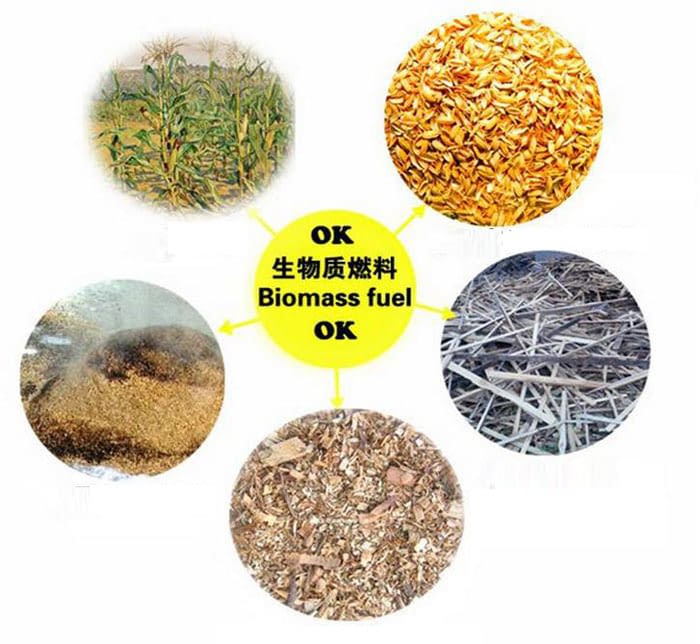
Biomass pellets (with lower costs in some areas
Electric heating (no emissions, small footprint
It can meet the requirements of strict environmental protection review and simple operation and maintenance in schools.

6. The pipeline network has strong adaptability and is convenient for renovation
The steam transmission pressure is high, and the heat loss during long-distance transmission is small, making it suitable for schools with large campus areas and scattered buildings.
The renovation of the existing heating pipeline network is of low difficulty and can be compatible with the terminal equipment such as radiators, fan coil units and floor heating.

The steam boiler heats up quickly and starts and stops flexibly, which is very suitable for the school’s centralized heating schedule. It can serve multiple purposes with one machine, simultaneously meeting the demands for heating, domestic hot water, cooking in the cafeteria and disinfection, etc. The heating is stable and uniform, with a long delivery distance, suitable for large campus areas. It is also safe and reliable, highly automated, easy to operate and maintain, and economical and environmentally friendly.

by XINDA XINDA No Comments

Steam boilers are used in wineries

Uniform heating enhances the quality and yield of the wine
Steam constant-temperature heat exchange ensures thorough steaming and gelatinization without local charred. The fermentation and distillation temperatures are stable, resulting in a pure taste and harmonious aroma of the liquor, effectively increasing the yield of liquor.

The temperature and pressure are precisely controllable
The temperature and pressure of saturated steam are adjustable, perfectly meeting the temperature requirements of various processes such as raw material cooking, saccharification, constant temperature for fermentation, distillation, sterilization, and koji making, with strong process stability.

High-temperature sterilization has a good effect
High-temperature steam can thoroughly sterilize fermentation tanks, pipelines, wine steamers and wine storage equipment, inhibit the growth of miscellaneous bacteria and acetic acid bacteria, prevent the rancidity and deterioration of wine, and meet the requirements of food production
Hygiene standards.

The heat source is clean and does not contaminate the wine body
Steam is used for indirect heating, without open flame smoke or exhaust gas odors coming into contact with the fermented grains. It is clean and hygienic, and does not affect the flavor and quality of the Baijiu.

The gas supply is stable and suitable for continuous production
It can provide continuous and stable steam supply for 24 hours, which is suitable for the non-stop shift production of wineries. It has strong adaptability to load fluctuations and will not delay the production progress.

High automation, worry-free and safe
Fully automatic operation, intelligent pressure and temperature control, equipped with overpressure, water shortage and alarm interlock protection. Simple operation, low failure rate, ensuring safe production.

In conclusion, the steam boiler is one of the indispensable equipment in a brewery. The steam boiler heats evenly and precisely controls the temperature, ensuring the stability of the brewing process, improving the quality and yield of the wine. The high-temperature sterilization is clean and hygienic, effectively preventing the wine from deteriorating and turning sour.
This multi-functional machine covers the entire process from cooking, distillation, disinfection to heating. It provides stable gas supply for continuous production, is energy-saving and consumption-reducing, safe and environmentally friendly, and meets the environmental assessment requirements of wineries.

by XINDA XINDA No Comments

Steam boilers are used in the rubber industry

Steam boilers are indispensable core heating equipment in the production of rubber products. They provide stable saturated steam throughout all key processes of rubber, including internal mixing and compounding, open calendering, extrusion molding, vulcanization and curing, rubber compound drying, and mold heating.
Rubber production has high requirements for steam, which demands stable pressure, constant temperature and continuous gas supply. Especially in the vulcanization process, it directly determines the hardness, toughness, wear resistance and finished product qualification rate of rubber products. Large fluctuations in steam pressure can cause products to bubble, deform and be scrapped due to insufficient vulcanization.
Commonly used boiler specifications in the industry: The evaporation capacity is mostly selected as 1 ton, 2 tons, 4 tons, 6 tons, and 10 tons per hour. The common working pressure is 1.0MPa and 1.25MPa. The saturated steam temperature is 180-195℃, suitable for 24-hour continuous production in factories.
The mainstream choice is gas, oil-fired and steam boilers, which feature clean combustion, precise temperature control, low nitrogen and environmental friendliness, as well as worry-free operation. If you want to save on fuel costs, you can choose a biomass steam boiler. Electric steam boilers can be selected for small workshops and explosion-proof workshops.
Essential supporting facilities: fully automatic intelligent control, water softening treatment equipment, pressure stabilizing of steam distribution cylinders, pipeline drainage, and condensate recovery system. This not only ensures balanced and stable steam supply in each workshop but also significantly saves fuel and reduces operating costs. It is equipped with multiple safety protections such as overpressure, low water level and flameout at the same time, meeting the safety standards of special equipment, suitable for the production environment of rubber factory areas, and operates safely, worry-free and durable.

by XINDA XINDA No Comments

How to maintain a steam boiler on a daily basis

Complete daily maintenance operations for steam boilers (Simple and practical, directly executable by teams)

I. Check before starting each shift (Mandatory)
Water level inspection
Check that the water level in the water level gauge is within the normal range (1/2 to 2/3), and there is no shortage or full water.
Regularly flush the water level gauge to prevent blockage and false water level.

Pressure and Instruments
The pressure gauge indicates normally and the pointer is not stuck. The pressure gauge is within the validity period of verification.
The safety valve is in good condition, without jamming or leakage, and the lead seal is intact.

Water Supply and Water Quality
Check if the water softener is operating normally and if the water level in the water tank is sufficient.
Raw water must not be directly fed into the furnace to prevent scaling, bulging and pipe burst.

Combustion and pipelines
There is no leakage in the gas/fuel pipeline and the valve opening and closing status is correct.
The fan, water pump and circulating pump have no abnormal noise, no vibration and the oil level is normal.
The flue and damper are unobstructed and well-sealed.

Electrical automatic control
The indicator lights on the control cabinet are normal, the alarm system, ultra-low water level and overpressure protection are in good condition.
The emergency stop button and interlock protection are sensitive and effective.

Ii. Daily Inspection during Operation (once every 1 to 2 hours)
Stable control: Steam pressure, temperature and water level should be kept stable. Overpressure and overloading operation are strictly prohibited.
Regular blowdown (blowdown at the bottom of the boiler) : 1 to 2 times per shift, quick blowdown in a short time to remove sludge and sediment.
When discharging sewage, observe the water level. Discharging sewage at a low water level is strictly prohibited.
Furnace body appearance: No bulges, leakage, weld leakage or flange leakage.
Flue gas indicators: The color of the exhaust gas is normal, with no black or yellow smoke emitted. The burner is operating normally.
Equipment temperature: The temperatures of the bearings, motors and pump bodies are normal, and there is no overheating or scalding to the touch.

Iii. Maintenance after each shift’s shutdown
Close the fuel valve, shut down the burner, fan and water pump, cut off the power and hang a sign.
Cleaning: Carbon deposits and dust in the furnace and burner; Clean the dust collector and filter screen.
Inspection: Check for any leakage in manholes, handholes, flanges and valves.
Record: Fill in the operation log (pressure, water level, material consumption, sewage discharge, faults).

Iv. Daily Maintenance
Clean the conduits of the water level gauge and pressure gauge to ensure they are unobstructed.
Check all valves: they should operate smoothly without any internal or external leakage.
Check the liquid levels of water treatment chemicals, resins and salt tanks, and replenish salt and chemicals in a timely manner.
Wipe the boiler body and control cabinet to keep the machine room clean and well-ventilated.

V. Weekly maintenance
Manual tests: Manual safety valve tripping test, high and low water level alarm, overpressure interlock test.
Check the ash accumulation in the flue, chimney, economizer and air preheater. Clean the ash if necessary.
Lubrication: Apply grease to the bearings of the fan and water pump, and check the tightness of the belt.
Comprehensive leak detection: Soapy water leak detection for gas pipelines to eliminate leakage hazards.

Vi. Monthly maintenance
Internal inspection: Open the handhole to simply check the scaling and corrosion conditions of the drum and the heating surface.
Cleaning: Dust removal from the surface of the economizer and condenser, and descaling of the heat exchanger.
Calibration: Water quality testing (hardness, alkalinity, PH), if not up to standard, adjust water treatment promptly.
Tightening: All pipe flanges, anchor bolts and flue bolts are fully tightened.

Vii. Long-term Shutdown Maintenance (Key Anti-corrosion)
Short-term shutdown of the furnace (within 7 days) : Full water maintenance, maintain water level and slight pressure, and isolate from air.
Long-term shutdown of the furnace
Dry maintenance: Place desiccants inside the drying furnace and close the manhole valve.
Wet maintenance: Add corrosion inhibitors, fill with water and seal, and regularly test water quality.

Viii. Daily Prohibitions (Life-saving Clause)
It is strictly prohibited to operate with water shortage, full water, overpressure or overload.
It is strictly prohibited to disassemble the safety valve or block the interlock protection during operation.
It is strictly prohibited to carry out maintenance or tighten bolts under pressure.
It is strictly prohibited to leave scale untreated or to fail to discharge pollutants for a long time.
Unlicensed personnel are strictly prohibited from operating the boiler.

Ix. Simple Mnemonic Rhymes (Easy for Teams to Remember
Before starting work, check the water level and pressure gauge to ensure they are correct.
Frequent drainage during operation ensures that the water quality is not compromised.
After work, clear the accumulated dust and check for leaks or shortages in the valves.
Test the safety valve weekly and check for scale and mold prevention monthly.
When shutting down the furnace, it should be divided into dry and wet conditions. Safety comes first.

by XINDA XINDA No Comments

The working principle of a hot blast stove

The working principle of the hot blast stove, the core of the hot blast stove can be summed up in one sentence:
Fuel is burned to heat the air, and then the hot air is blown out for drying, heating or as process air.

1. Basic structure
It mainly consists of a few parts
Combustion chamber: Burns coal/gas/oil/biomass to generate high-temperature flue gas
Heat exchange chamber: It enables high-temperature flue gas and cold air to exchange heat
Fan: Air supply, smoke exhaust
Control system: Temperature control, fire control, and safety protection

2. Work process
Supply air
Cold air is drawn in by the fan from the air inlet and enters the heat exchange channel.
Combustion heating
The fuel burns in the combustion chamber, generating a large amount of high-temperature flue gas.
The flue gas does not blow directly onto the material but transfers heat to the air through the metal wall.
Heat exchange
Cold air absorbs the heat of flue gas and turns into hot air
The flue gas is cooled down and then discharged through the chimney
For exhaust use
Hot air is sent out from the air outlet for:
Drying of grains, medicinal materials and wood
Heating for workshops and greenhouses
Drying process for industrial production lines

3. Brief summary
The hot blast stove is
The fire generates heat → heats the air → The fan sends out the hot air
Meanwhile, the controller automatically controls the temperature. In case of over-temperature, flameout or malfunction, it will automatically stop fire for protection.

by XINDA XINDA No Comments

Boiler Accessories Blower

The steam boiler blower (also known as the supply fan) is the core auxiliary equipment of the boiler and is called the “lung of the boiler”. It is mainly responsible for forcibly sending combustion-supporting air into the furnace to ensure the complete combustion of fuel.
Function: Supply air for combustion assistance, regulate the combustion intensity, and cooperate with the induced draft fan to maintain negative pressure in the furnace chamber
Common type: Centrifugal fan
Matching: Generally used together with the induced draft fan, one for supply and one for extraction
Key point: The air volume and air pressure should match the tonnage of the boiler. Biomass boilers usually require a larger air volume