by XINDA XINDA No Comments

Characteristics of the three-pass structure of steam boilers

I. What is a three-pass boiler
The three-pass mainly refers to the three round-trip processes in which the flue gas flows inside the boiler and scour the heated surface.
The vast majority are used in fire-tube/shell-type oil and gas-fired steam boilers.

The basic process of the second and third return structures
The first return trip
The flue gas flows directly backward from the combustion chamber (furnace liner)
It mainly relies on radiation heat exchange, with the highest temperature and the strongest heat exchange.
The second trip
The flue gas turns through the front flue box and enters the flue pipe to flow forward, mainly through convective heat transfer.
The third round trip
The flue gas turns again after passing through the rear smoke box and enters another set of smoke pipes to flow backward, further absorbing the residual heat, and is finally discharged through the chimney.

Iii. Core Characteristics of the Three-Pass Structure
It has a large heating area and high thermal efficiency
The flue gas travels through three stages to extend the heat exchange path. It fully absorbs heat, has a low flue gas temperature, and the thermal efficiency is usually ≥90%
2. Compact structure and small volume
Under the same evaporation capacity, it is smaller in volume and occupies less space than single-pass and double-pass boilers, making it suitable for occasions with limited machine room space
3. Sufficient heat exchange and good energy-saving effect
High-temperature flue gas repeatedly scour the heating surface, reducing heat waste and lowering fuel consumption
4. Stable operation and good load adaptability
The furnace has a large volume and ensures complete combustion. The steam pressure and water level fluctuations are small
5. The flue gas flow is reasonable and the resistance is moderate
The smoke pipes are neatly arranged and the airflow is smooth. The power consumption of the fan is reasonable and it is not easy to accumulate dust and get clogged
6. Good heat preservation and low heat loss
The pot shell is wrapped with a high-density insulation layer, which has a low surface temperature and small heat dissipation loss

Four. Disadvantages of three-pass boilers
There are a large number of smoke pipes, and it is rather difficult to clean them after they are scaled
The flue gas flow is long, and the requirements for the induced draft/forced draft system are slightly higher
The internal smoke box is prone to local wear and dust accumulation at the turning points

V. Scope of Application
Small and medium-sized oil and gas-fired steam boilers
The evaporation rate is generally 0.5t/h to 20t/h
It is widely used in factory production, hospitals, hotels, schools, and heating and heat supply

Vi. Summary
Three-pass boilers achieve large heating surfaces, high efficiency, compact structure, energy conservation and stability through three round trips of flue gas heat exchange. They are currently the mainstream structure for small and medium-sized gas/oil-fired steam boilers.

by XINDA XINDA No Comments

What factors are related to the fuel consumption of biomass steam boilers?

The fuel consumption of a biomass steam boiler is essentially the heat required for steam production divided by (fuel calorific value × boiler thermal efficiency). The consumption is influenced by four major factors: the boiler itself, the fuel, the operating conditions, and the environment. The specific details are as follows:

1.Fuel itself factors (with the greatest impact
Lower calorific value of fuel
The lower the calorific value, the more fuel is consumed to achieve the same amount of heat.
Moisture content
Water absorbs heat and evaporates, reducing the effective calorific value and increasing the heat loss of flue gas. The higher the moisture content, the greater the consumption.
Ash and impurities
High ash content will reduce combustion efficiency and increase heat loss from incomplete combustion.
Fuel molding and particle size
Uniform particles, good density, and more complete combustion; Loose materials and powder materials are prone to incomplete combustion of fly ash.

2.Boiler Body and Configuration Factors
Rated thermal efficiency of the boiler
The higher the design efficiency, the less material is consumed under the same steam production volume.
Grate/Combustion method
The burnout rates of circulating fluidized beds, reciprocating grates, chain grates and hand-fired furnaces vary significantly.
Thermal insulation performance
Poor heat preservation leads to significant heat loss and increased power consumption.
The heating surface is covered with scale and ash
Heat exchange deteriorates, and more fuel needs to be burned to reach the rated steam parameters.
3. Operating Conditions Factors
Actual load rate
When operating at low loads, the efficiency of boilers usually decreases and the material consumption per unit of steam increases.
Steam pressure and temperature
The higher the pressure and temperature, the greater the latent heat of vaporization and superheat, and the more material is consumed.
Feed water temperature
The water supply temperature is low, and more heat is needed to heat it to the saturation temperature.
Combustion adjustment
Unreasonable air distribution and low furnace temperature can lead to incomplete combustion and increased consumption.
Pollutant discharge rate
Continuous and regular sewage discharge take away heat. The higher the sewage discharge rate, the more materials are consumed.
4.Environmental and Auxiliary System Factors
Ambient temperature, altitude
Heat dissipation is significant in low-temperature environments. At high altitudes, the air is thin, and combustion and heat exchange deteriorate.
Matching of induced draft and forced draft
Excessive air volume increases the heat loss of flue gas exhaust, while insufficient air volume leads to incomplete combustion.
Condensate water recovery and utilization rate
The more condensate water is recovered, the higher the feed water temperature and the lower the fuel consumption.
V. Summary (Key Ranking
Impact on consumption from largest to smallest:
Fuel calorific value and moisture content > Boiler thermal efficiency > Actual Load and operation adjustment > Blowdown and condensate recovery > Environment and insulation

by XINDA XINDA No Comments

How is the tonnage of steam boilers classified

The tonnage of a steam boiler is actually the rated evaporation capacity per hour, with the unit being tons per hour (t/h), indicating how many tons of water can be converted into saturated steam in one hour.

1.How to Classify Tonnage (The Most Commonly Used Standard)
In the industry, it is generally divided into four grades based on evaporation volume:
Small boiler
0.1 to 1 ton per hour
Usage: Small canteens, laundries, small-scale food processing, laboratories, small-scale disinfection
Medium-sized boiler
2 to 10 tons per hour
Usage: Garment factories, food factories, pharmaceutical factories, small chemical plants, and heating in residential areas
Large boiler
10 to 35 tons per hour
Application: Medium-sized factories, centralized heating, papermaking, building materials
Super-large boiler
More than 35 tons per hour
Application: Thermal power plants, large-scale chemical plants, large industrial parks

2.What you care about most: How to choose tonnage?
Simple formula (estimation) :
Required tonnage ≈ Total steam consumption of steam-using equipment ÷ 0.8 (Safety factor)
Common scenario references
One ton of steam ≈ provides 600,000 calories of heat
A 1-ton boiler can provide heating for 6,000 to 8,000 square meters of building area
Food steaming: Generally 0.5 to 2 tons
Garment factory: Generally 1 to 4 tons

3.Tonnage ≠ Weight! Don’t get confused.
Many people misunderstand
It’s not about how many tons the boiler itself weighs
It is how many tons of steam are produced per hour
If you tell me what it is for, the size of the site and the pressure requirements, I can directly help you calculate how many tons of boiler should be used.

by XINDA XINDA No Comments

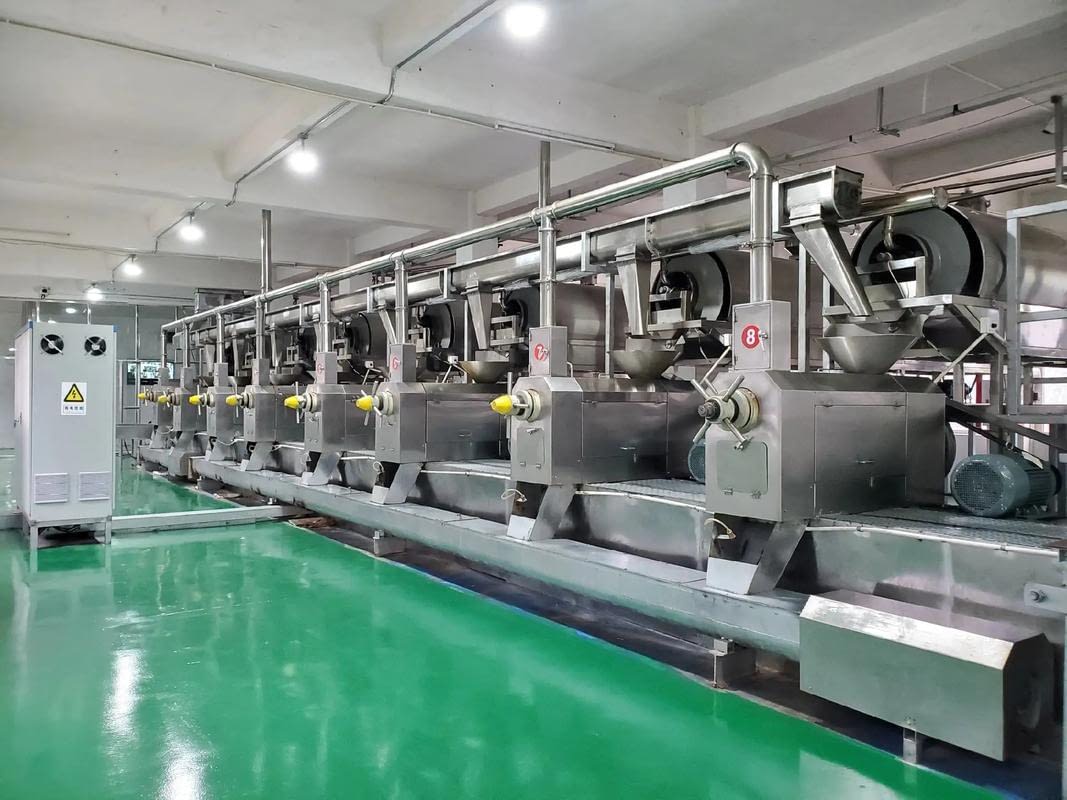
Water Softener

The core working principle of a water softener is that when hard water passes through the sodium ion exchange resin inside the device, the calcium and magnesium ions that form scale in the water will be exchanged with the sodium ions on the resin. The calcium and magnesium ions are adsorbed by the resin, thus turning the effluent water into soft water without scale. When the resin reaches adsorption saturation, the machine will automatically draw in saturated brine to regenerate and flush the resin. The high-concentration brine is used to replace the calcium and magnesium ions on the resin and discharge them with the wastewater, allowing the resin to re-adsorb sodium ions and restore its softening capacity. This cycle ensures continuous water supply.

Performance advantage
Thorough scale removal: It can reduce hardness to below 0.03mmol/L, with almost no scale.
Stable effluent: The resin and control program are mature, and the water quality fluctuates little.
High automation: The fully automatic model can automatically soften, regenerate and backwash, and only requires regular salt addition.
Long service life: The tank body is mostly made of fiberglass reinforced plastic/stainless steel, which is corrosion-resistant. The resin can be used for 3 to 5 years.
Protect equipment: Water heaters, washing machines and dishwashers from scaling, extend their lifespan and reduce energy consumption.
Protect pipelines: Reduce scaling and clogging, and lower maintenance costs.
Low energy consumption: Only part of the electricity is controlled, with almost no additional energy consumption.
Small footprint: The tank is compact and can be installed in a cabinet/equipment room.

by XINDA XINDA No Comments

The differences in the working principles between water-tube boilers and fire-tube boilers

The core difference between them lies in one sentence:

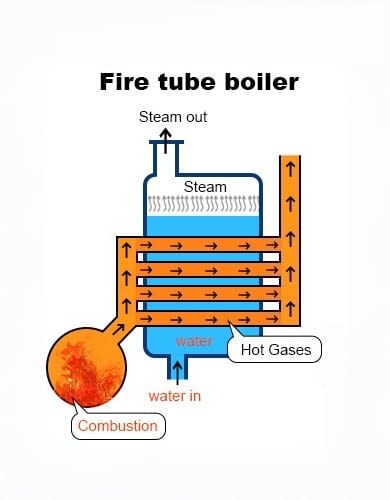
Fire-tube boiler: Fire is inside the tubes and water is outside the tubes.

Water-tube boiler: Water is inside the tubes and fire is outside the tubes.

The working principle of the fire-tube boiler:
The flue gas flows inside the pipes, while water surrounds the pipes in the pot shell. The fuel burns in the furnace, generating high-temperature flue gas. Smoke passes through the interiors of one steel pipe after another. There is a large amount of water outside the steel pipe.
Heat is transferred from the flue gas to the pot water through the pipe wall, heating the water, causing it to boil and generating steam.
The features of the fire-tube boiler: The shell is a large container with abundant water and a large steam drum volume. The heating surfaces are just those few smoke tubes.

The working principle of water-tube boilers
Water is inside the pipe, while flue gas scour the pipe outside. Water first enters the heating surface composed of thin tubes (water-cooled wall, convection tube bundle). High-temperature flue gas flows outside the pipes in the furnace and flue, scouring the pipe walls. Heat is transferred from outside the pipe to the water inside. Water is heated and vaporized inside the tubes, turning into a steam-water mixture, which then returns to the drum to separate the steam.
The features of water-tube boilers
All the water is in the thin tubes, and the drum only serves the separation of steam and water. The heating surface can be arranged in many places, featuring high thermal efficiency and strong pressure resistance.

by XINDA XINDA No Comments

What are the protection systems of steam boilers

The protection system of a steam boiler is mainly divided into three categories: safety protection, automatic regulation, and interlock protection. The core is to prevent dangerous working conditions such as overpressure, over-temperature, water shortage, overheating, and power supply.

Overpressure protection system
Function: To prevent the boiler pressure from exceeding the rated value and avoid explosion and pipe burst.
Composition
Pressure gauge: Monitors pressure
Pressure controller: Overpressure alarm, overpressure interlock furnace shutdown
Safety valve: Automatic pressure relief in case of overpressure, the last line of defense for safety
Action: Overpressure → Alarm → Fuel cut-off → Safety valve pressure relief.

Over-temperature protection system
Function: To prevent the pot water, steam and heating surface from overheating and burning out.
Protected objects: boiler water temperature, steam temperature, flue gas temperature.
Components: Thermocouple, thermal resistor, temperature controller.
Action: Over-temperature → Alarm → Load reduction/interlock stop
Furnace.

Water shortage protection system (including low water level)
Function: To prevent the water level from being too low and the pot from drying out, which could lead to pipe burst accidents.
Components: Water level gauge, electrode water level sensor, differential pressure transmitter, water level controller.
Action
Low water level: Alarm
Extremely low water level (lack of water) : Shut down the furnace immediately and cut off the fuel supply.

Overheat protection (overheat steam protection)
Function: To prevent the superheater from overheating, pipe burst and deterioration of steam quality.
Components: Superheated steam temperature measurement point, temperature regulation device, temperature controller.
Action
Over-temperature alarm
Automatically input the deheated water for adjustment
Severe over-temperature → Interlock and shut down the furnace

Power protection system
Function: Ensure power supply safety, prevent motor burnout and accidental start-up.
Content
Overvoltage protection: Alarm/power off when the voltage is too high
Under-voltage/under-voltage protection: Trips in case of power failure or low voltage to prevent automatic restart after power restoration
Phase loss protection: The machine will immediately shut down in the event of a phase loss in three-phase power
Short-circuit and overload protection
Emergency stop button (Emergency stop)

The protection system of a steam boiler can prevent accidents, ensure the safety of personnel and equipment, operate stably and reduce losses. It is an indispensable core device for the safe operation of the boiler.

by XINDA XINDA No Comments

What factors should be considered when selecting a boiler for a beverage factory

When choosing a boiler for a beverage factory, the key points to focus on are: steam demand, food hygiene, fuel conditions, environmental compliance, and energy conservation and safety. Below, the editor has compiled a list of directly usable boilers that are not verbose but full of key points.
I. Process Steam Parameters (The most crucial)

Steam output (t/h)
Count all steam usage points: UHT sterilization, CIP/SIP, saccharification, concentration, heating, disinfection, etc
When the simultaneous usage rate is not 100%, the maximum simultaneous steam consumption should be calculated. Reserve a margin of 10% to 20% to avoid insufficient expansion in the later stage.

Steam pressure
For general beverage factories: 0.7 to 1.0 MPa
UHT, concentration, high-temperature sterilization: 1.0-1.6 MPa
It must be equipped with a pressure reducing valve and a drying filter to ensure the steam is clean and stable.

2.Selection of Boiler Types
Fuel priority order
There are natural gas → gas-fired steam boilers
No natural gas → Electric boiler/biomass/liquefied gas
In areas with strict environmental protection regulations: Low-nitrogen condensing gas furnaces
Structural form
For small and medium-sized factories: WNS horizontal internal combustion fire-tube boilers are stable and easy to maintain
Large-scale plants/centralized steam supply: SZS water-tube boiler
Small production volume and intermittent production: Steam generator exempted from inspection (water volume < 30L)

3.Special Requirements for the Food and Beverage Industry
Fully sanitary grade design: No dead corners, easy to clean, and anti-pollution
The water quality must be treated: softened water + deaeration to prevent scaling, corrosion and affect the cleanliness of steam
Comply with food production standards
Try to have no leakage, low emissions and no odor

4.Environmental Protection and Policies
Local environmental protection policies: Whether coal is banned, nitrogen oxide emission limits (commonly ≤30mg/m³)
Is a condensation recovery device needed
The procedures for the application, inspection and use certificate of special equipment

5.Operating Costs and Energy Conservation
Fuel cost: gas > electricity > biomass (depending on local price)

6. Safety and Maintenance
Automatic control: water level, pressure, temperature, flameout protection
It is easy to operate and requires little maintenance
Manufacturer’s after-sales service capability and spare parts supply
Minimalist Summary (Selection Mnemonic
First, calculate the maximum steam consumption and pressure
Re-determine the fuel (natural gas preferred)
It must meet food-grade clean steam. It meets the requirements of environmental protection and special equipment.It takes into account energy conservation, stability and easy maintenance.

If you tell me:
What kind of beverages to make (juice/carbonated/tea/milk drinks/beer)
Daily output/hourly output
Is there natural gas?
I can directly help you calculate how many tons of boiler you need, what the pressure is, and which model is the most suitable. Xinda offers you the most favorable boilers

by XINDA XINDA No Comments

Steam boilers are used for heating and disinfection in hospitals

As one of the core heat source equipment for heating and disinfection in hospitals, steam boilers are crucial for ensuring medical safety and operational stability in hospitals.
1. Ensure medical disinfection and sterilization, and adhere to the core bottom line of infection prevention and control during hospitalization
This is the primary core value of steam boilers in hospitals, directly related to the safety of patients’ diagnosis and treatment, and it is an unbreachable medical red line for hospitals.
High-temperature steam is the gold standard for medical sterilization: Dry saturated steam can achieve high-temperature and high-pressure sterilization at 121-134 ℃, capable of killing 100% of all pathogenic microorganisms including bacteria, viruses, and spores. It is the only reliable sterilization method for key medical supplies such as operating room instruments, endoscopes, implants, sterile dressings, and medical consumables, with no alternative.
Covering the entire process of hospital infection control: In addition to the core disinfection supply center, it also provides steam for ward decontamination, high-temperature washing in the laundry room, disinfection in the endoscopy center, and aseptic preparation in the preparation room, achieving full-chain hospital infection control from medical equipment to medical fabrics and environmental cleaning, avoiding cross-infection and reducing the risk of medical accidents.
Compliance with mandatory medical standards: The supply and quality of steam for hospital disinfection and sterilization are hard requirements of national medical hospital infection control standards such as WS 310, and also core indicators for hospital grade evaluation and qualification acceptance. Hospitals without qualified steam supply cannot carry out core medical services such as routine surgeries and minimally invasive diagnosis and treatment.
2.Support the basic heating of hospitals to ensure a comfortable medical environment and human comfort
Heating is a basic operational necessity for hospitals. Steam boilers provide stable hot water for heating through heat exchange, creating a suitable environment for diagnosis and treatment, rehabilitation, and office work, which directly affects the recovery of patients and the efficiency of medical staff.
Adapt to the special environmental requirements of hospitals In areas such as hospital wards, operating rooms, neonatology departments, and intensive care units (icus), the requirements for temperature and constant temperature are extremely high (for example, the constant temperature in operating rooms is 22-25 ℃, and in neonatology departments, it is 26-28 ℃). The centralized heating system driven by steam boilers can achieve large-scale, high-precision, and continuous constant temperature, which is far superior to other decentralized heating methods. Adapt to the physical tolerance needs of special patients.
Ensuring the normal operation of winter medical treatment: In cold regions, steam heating is a “must-have guarantee” for hospitals’ winter operations. If the heating is interrupted, it will not only cause patients to catch a cold and hinder their recovery progress, but also may lead to malfunctions of medical equipment (such as precision detection instruments) due to low temperatures, directly affecting the medical treatment process.
Taking into account the temperature and humidity requirements of multiple scenarios: Steam can also be used to humidify the air in hospitals, avoiding respiratory infections caused by dry environments (especially for respiratory patients, the elderly, and children), while creating a comfortable medical environment for wards and outpatient departments and enhancing the medical experience of patients.
3.Achieve multi-purpose use of a single source to ensure the stability of the entire hospital operation process
The steam boiler is not a single-function device. The steam it generates is the core energy for multiple scenarios in hospitals, capable of connecting the entire process including disinfection, heating, and living services. It serves as the “energy hub” for hospital operations, ensuring that the entire process is not interrupted.
Covering the essential needs of multiple supporting scenarios: In addition to disinfection and heating, it also provides heat sources for high-temperature cleaning of medical fabrics in hospital laundries, steaming and cooking nutritious meals in canteens, preparation of domestic hot water for staff and patients, and disinfection of sewage and wastewater, achieving multiple uses from one source and connecting the entire medical, living, and logistics links. The absence of one would lead to the paralysis of multiple supporting processes.
Adapt to the 24-hour non-stop operation attribute of the hospital As a special public service institution, hospitals need to operate 24 hours a day, 365 days a year without interruption. Steam boilers can achieve uninterrupted steam supply through a redundant configuration of “one in use and one on standby/two in use and one on standby”, perfectly matching the operational characteristics of hospitals and avoiding the suspension of medical treatment and living services caused by the interruption of heat sources.
Reduce operation and management costs: A single steam system replaces multiple decentralized heat source devices, reducing the costs of equipment procurement, site occupation, and operation and maintenance management. At the same time, through energy-saving designs such as intelligent control and condensation recovery, it achieves efficient energy use and meets the needs of hospital refined operation.
4.The core attribute of being irreplaceable determines its irreplaceability
Compared with other heat sources (such as electricity and hot water), steam is irreplaceable in the disinfection and heating scenarios of hospitals:
Disinfection dimension: Electric heating sterilization equipment is only suitable for small instruments and cannot meet the sterilization requirements of large surgical instruments and batch consumables. Moreover, its sterilization efficiency and reliability are far lower than those of steam.
Heating dimension: Decentralized electric heating, air energy and other methods cannot achieve large-scale and high-precision constant temperature heating in hospitals. Moreover, they have high operating costs and poor stability, making it difficult to meet the special scene requirements of hospitals.
In conclusion, steam boilers are not only the “heat source equipment” of hospitals, but also the bottom-line equipment for ensuring medical safety, the core equipment supporting medical treatment operations, and the benchmark equipment reflecting standardized management. Their stable and qualified operation is the prerequisite and foundation for hospitals to provide all medical services, ensure patient safety, and achieve normal operations. They are indispensable core infrastructure for hospitals.

by XINDA XINDA No Comments

Steam boilers are used in the dairy industry

Steam boilers are irreplaceable core power equipment in dairy production. Their significance runs through the entire chain from product safety, process realization, production stability, compliant operation to enterprise development, directly determining the survival and development of dairy enterprises.
1. The “First Line of Defense” for Product Safety
Dairy products are rich in nutrients, but they are also breeding grounds for microorganisms. Steam boilers are the core support for ensuring the safety of the products for consumption.
The core energy source of the sterilization process
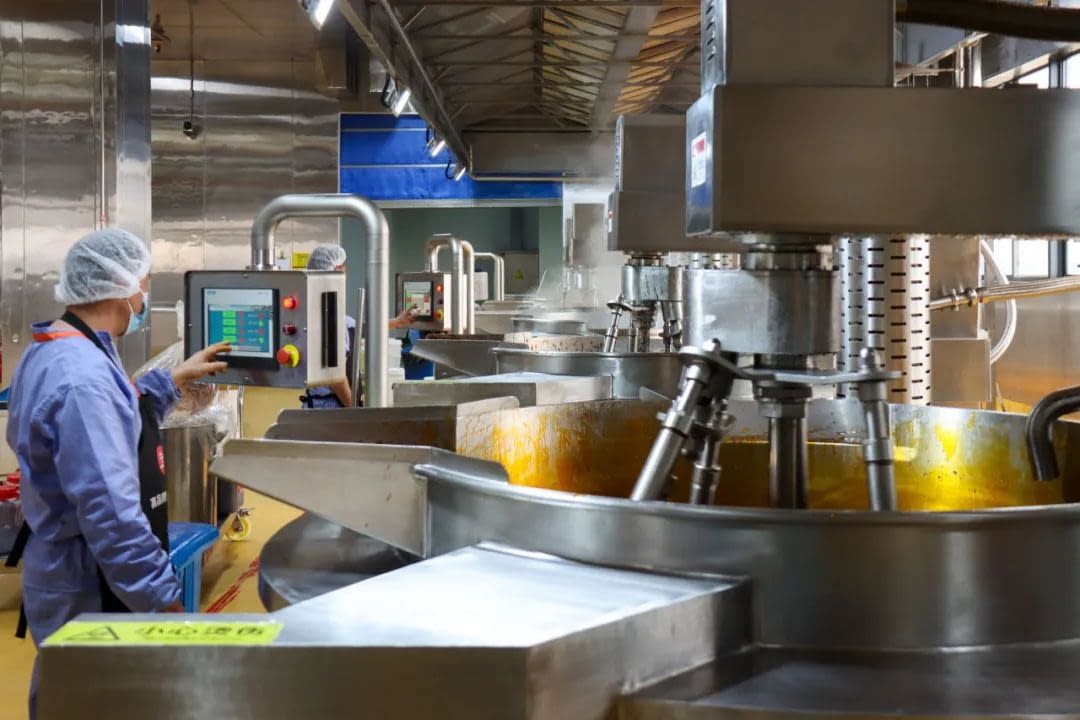
Key processes such as pasteurization (63-65℃ for 30 minutes or 72-75℃ for 15-20 seconds), UHT ultra-high temperature sterilization (135-150℃ for 2-5 seconds), and SIP in-place sterilization (121℃) rely entirely on stable high-temperature and high-pressure steam provided by steam boilers. Only when the steam temperature and pressure precisely meet the standards can pathogenic bacteria such as Salmonella, Listeria and Staphylococcus aureus be completely killed, achieving commercial sterility while preserving the nutrition and flavor of the products, and avoiding food safety incidents from the root.

2.The “Core Engine” of Production Technology
The entire processing process of dairy products from raw materials to finished products relies on the thermal energy support of steam boilers, which is the foundation for the realization of the technology.
Efficiency guarantee for concentration and drying
The evaporation and concentration of condensed milk and concentrated whey, as well as the spray drying of milk powder and cheese powder, are the core links in the deep processing of dairy products. The steam boiler provides a stable heat source for the evaporator and drying tower, which can efficiently remove the moisture from the raw milk, while ensuring the uniform concentration of the concentrated liquid and that the moisture content of the milk powder meets the standard (such as the moisture content of the milk powder ≤5%). The evaporation capacity and thermal efficiency of a boiler directly determine the production capacity scale of an enterprise. Taking a factory with an annual output of 30,000 tons of milk powder as an example, two 20-ton /h steam boilers are the core conditions for ensuring the daily processing of 100 tons of concentrated milk.
The temperature control basis for CIP cleaning and fermentation
CIP in-place cleaning requires steam to heat the acid/alkali solution to 70-85℃. High temperatures can increase the cleaning efficiency by 30%, thoroughly removing milk protein residues and bacterial biofilms inside the equipment, and avoiding cross-contamination. The fermentation of yogurt and cheese requires steam to provide a constant temperature heat source of 40-45℃ to ensure the consistent activity of the strain and guarantee the success rate of fermentation as well as the uniformity of product acidity and taste.
3. The “Core Guarantee” for stable production
Dairy production features 24-hour continuous operation and cannot be interrupted at will. The stable operation of steam boilers directly determines the continuity of production.
Avoid production halt losses
If a boiler malfunctions and stops for one hour, small and medium-sized dairy enterprises may suffer losses of tens of thousands of yuan, while large dairy enterprises may lose over 500,000 yuan. Raw milk and work-in-progress products may deteriorate and be scrapped due to the inability to complete processing or sterilization. The high reliability of the steam boiler (with an average annual operation time of ≥ 8,000 hours) and the redundant configuration of “one in use and one on standby” enable seamless switching, significantly reducing the risk of production halts.
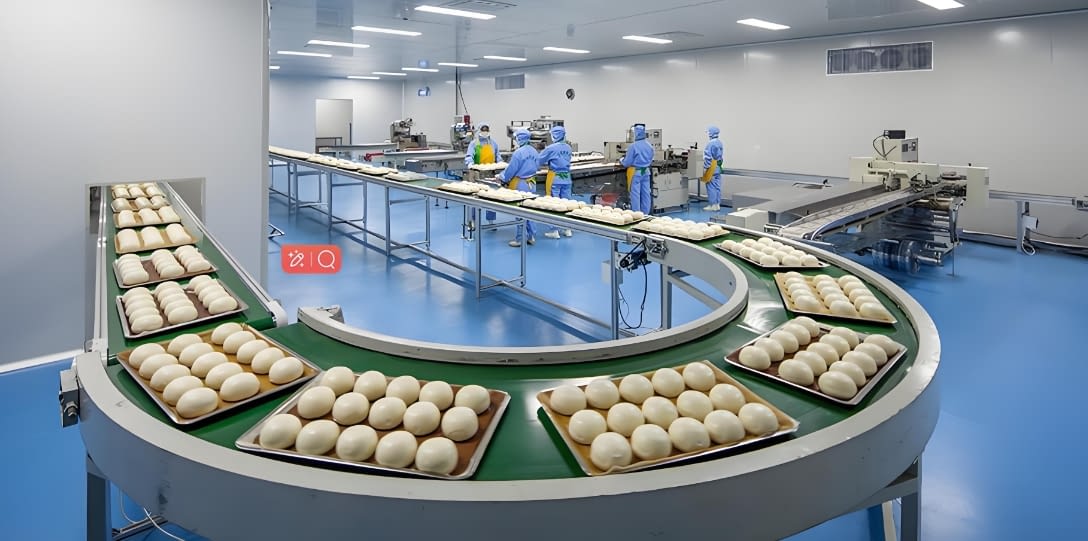
Adapt to load fluctuations
In the production of dairy products, there will be instantaneous high-load demands in processes such as UHT sterilization and spray drying. The rapid load adjustment capability of steam boilers (response time ≤3 seconds) can precisely adapt to process fluctuations, avoiding process interruptions caused by sudden drops in steam pressure and ensuring the continuous operation of the production line.

The importance of steam boilers in the dairy industry. It is not an ordinary auxiliary device, but the core lifeline for dairy enterprises to achieve safe production, efficient operation and compliant development. Its performance and operation and maintenance level directly determine the product quality, market competitiveness and long-term survival of the enterprise.

by XINDA XINDA No Comments

The function of the induced draft fan in a steam boiler

The core function of the induced draft fan in a steam boiler is to maintain a slight negative pressure in the furnace, discharge flue gas and overcome flue resistance, ensuring stable combustion, safe operation and compliance with environmental protection standards.
Now, let’s have the editor introduce to you the core function of the induced draft fan.
Maintain a slight negative pressure in the furnace: In coordination with the supply fan, it forms balanced ventilation, keeping the furnace pressure at approximately -40 to -60Pa to prevent the escape of flames and flue gas, while reducing the leakage of cold air, thus avoiding a decline in thermal efficiency and damage to the furnace wall.
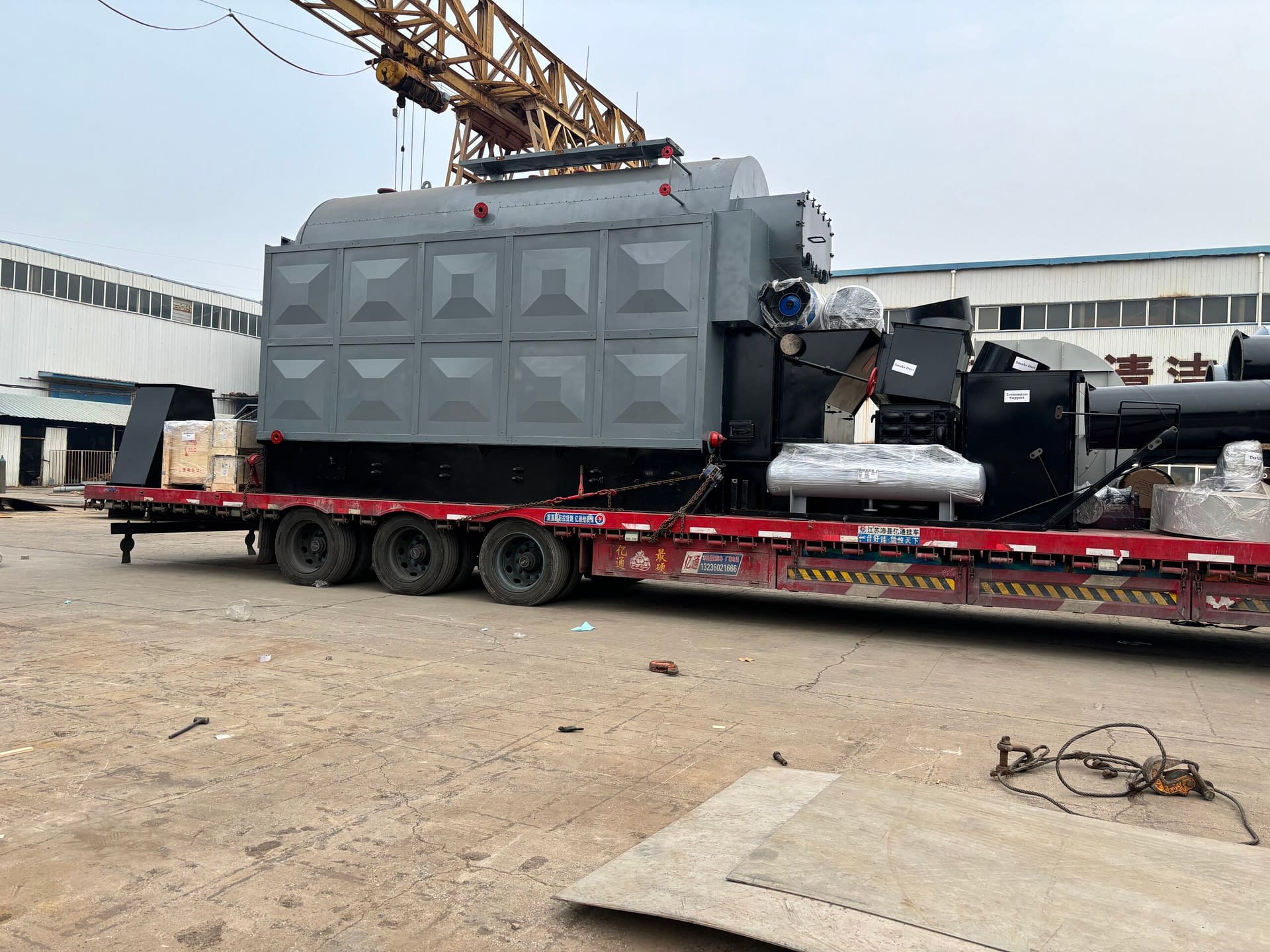
2. Exhaust flue gas and overcome resistance: Extract the high-temperature flue gas generated by combustion, overcome the pressure loss in the tail flue, air preheater, dust collector, desulfurization and denitrification device, and chimney, and ensure smooth exhaust of flue gas.
3. Ensure stable and efficient combustion: Stable flue gas exhaust provides continuous oxygen supply conditions for combustion. Combined with the adjustment of air supply volume, the oxygen concentration inside the furnace and combustion conditions are optimized to enhance combustion efficiency and reduce unburned losses.
4. Support for environmental protection compliance with emission standards: Provide stable flue gas flow and pressure head for subsequent environmental protection equipment such as dust removal, desulfurization, and denitrification to ensure that pollutants are discharged up to standard.
5. Adjust load and operating conditions: Regulate air volume through frequency conversion or baffles to match the combustion requirements of the boiler under different loads, stabilize the furnace pressure and flue gas temperature, and ensure the safe and economic operation of the unit.