



1. Safety performance
The entire series of boilers are equipped with multiple safety protections: overpressure protection (automatic pressure relief by the safety valve), low water level protection (automatic shutdown when the water level drops below the threshold), and over-temperature protection (immediate alarm for abnormal steam temperature), meeting the highest safety level of GB/T 10180-2022 “Test Procedures for Thermal Performance of Industrial Boilers”.
The pressure-bearing components are made of Q345R boiler-specific steel plates. After X-ray flaw detection, the weld qualification rate is 100%, and the service life is 3 to 5 years longer than the industry average.
2. Energy-saving efficiency
The thermal efficiency of the boiler is as high as 92% to 98% (over 96% for natural gas boilers and 99% for electric heating boilers), far exceeding the national first-class energy efficiency standard (≥88%), and it can save 5% to 15% of fuel costs per hour.
3. Strong adaptability
Complete range of models: Evaporation capacity from 0.5t/h to 100t/h, pressure from 0.4MPa to 10MPa, which can meet different scenarios such as small workshops, large factories, and commercial buildings.
4. Operation and Maintenance
Intelligent control system: Touch screen operation, supporting automatic ignition, automatic pressure adjustment, and automatic fault diagnosis. No need for professional boiler operators to be on duty 24 hours a day. Ordinary employees can get started after one hour of training.
Easy maintenance design: Key components (such as burners and water pumps) adopt well-known brands (Siemens, Grundfos), with strong universality of accessories and convenient replacement. Reserve maintenance channels, making daily maintenance (such as dust cleaning and water replacement) simple and efficient.
How to choose a suitable steam boiler
Choosing the right steam boiler is to precisely identify one’s own needs, which is the foundation for matching products.
1. Steam parameter matching: Clearly define the required steam pressure (such as 0.7MPa/1.25MPa/2.5MPa), temperature (saturated steam/superheated steam), and evaporation capacity per hour (t/h). These three parameters directly determine the boiler model. For instance, the food processing industry commonly uses saturated steam with a pressure of 0.7 to 1.0MPa, while the chemical industry may require superheated steam with a pressure of over 1.6MPa. Small workshops require an evaporation capacity of 1 to 4 tons per hour, while large factories need more than 10 tons per hour.
2. Application scenario adaptation: The requirements for boilers vary significantly across different industries
Industrial production (such as textile, papermaking, and chemical industries) : Attention should be paid to the stability of continuous operation and load regulation capacity (to cope with production fluctuations).
Commercial heating/hotel hot water: Emphasis is placed on energy conservation and environmental protection, as well as quiet operation. In some scenarios, rapid start-up is also required.
Food/Pharmaceutical industry: Hygiene standards must be met (such as stainless steel inner tanks, no pollution emissions).
3. Energy type selection: Based on local energy supply, cost and environmental protection requirements, select boilers with suitable fuel
Natural gas boiler: Clean and environmentally friendly, with low operating costs, they are suitable for areas with stable natural gas supply (such as urban industrial zones and commercial complexes).
Electric boiler: Zero emissions, easy to operate, suitable for scenarios with extremely high environmental protection requirements or without gas pipelines (such as laboratories, small workshops);
Biomass boiler: Utilizing renewable energy sources such as straw and sawdust, they are suitable for agricultural production areas or enterprises with carbon emission requirements.
Oil boiler: Emergency backup or remote areas without other energy supplies (Attention should be paid to oil storage safety and environmental protection compliance)
Steam boilers are used in the sterilization industry
The steam boiler heats water to boiling point through fuel combustion (fuel), generating high-temperature and high-pressure saturated steam as the sterilization medium. Its core sterilization mechanism stems from three major characteristics:
1. Efficient latent heat transfer: When saturated steam condenses, it releases a large amount of latent heat (approximately 2260kJ/kg), which is much higher than the sensible heat transfer efficiency of hot water. It can rapidly raise the temperature of the sterilized substances to the sterilization threshold of 100-135℃.
2. Pressure permeation: A steam pressure of 0.1 to 0.4MPa can force steam molecules to penetrate into the interior of the packaging or the gaps between materials, killing deeply buried microorganisms and heat-resistant spores (such as botulinum bacteria).
3. Microbial destruction mechanism: High temperature causes denaturation of microbial proteins and rupture of cell walls. Combined with the moist environment of steam, commercial sterility or pasteurization goals can be achieved in a short period of time.
To ensure the sterilization effect, the boiler system must strictly control two key indicators: steam dryness ≥95% (to avoid thermal resistance caused by moisture) and non-condensable gas ≤3.5% (to prevent the formation of uneven temperature “cold spots”). The steam boiler heats water to boiling point through fuel combustion (or other energy sources), generating high-temperature and high-pressure saturated steam as the sterilization medium. Its core sterilization mechanism stems from three major characteristics:
1. Efficient latent heat transfer: When saturated steam condenses, it releases a large amount of latent heat (approximately 2260kJ/kg), which is much higher than the sensible heat transfer efficiency of hot water. It can rapidly raise the temperature of the sterilized substances to the sterilization threshold of 100-135℃.
2. Pressure permeation: A steam pressure of 0.1 to 0.4MPa can force steam molecules to penetrate into the interior of the packaging or the gaps between materials, killing deeply buried microorganisms and heat-resistant spores (such as botulinum bacteria).
3. Microbial destruction mechanism: High temperature causes denaturation of microbial proteins and rupture of cell walls. Combined with the moist environment of steam, commercial sterility or pasteurization goals can be achieved in a short period of time.
To ensure the sterilization effect, the boiler system must strictly control two key indicators: steam dryness ≥95% (to avoid thermal resistance caused by moisture) and non-condensable gas ≤3.5% (to prevent the formation of uneven temperature “cold spots”).
The application of steam boilers in the chemical industry
Steam boilers are indispensable core thermal energy equipment in the chemical industry. They use high-temperature and high-pressure steam as the carrier to support the key processes of the entire production process. They are simple, direct and essential to apply.
In chemical production, the core functions of steam boilers are concentrated in three points: First, they heat equipment such as reaction vessels and polymerization vessels, meeting the precise temperature requirements of chemical reactions such as oxidation and nitrification; Second, it assists in separation processes such as distillation and rectification, purifying the components of materials through heating to ensure product purity. Thirdly, it provides heat tracing for pipelines and storage tanks to prevent high-viscosity materials from solidifying, and at the same time supports processes such as material drying and solution concentration.
Its advantages are well-suited to the demands of the chemical industry: it can flexibly choose fuels such as natural gas and biomass, meeting environmental protection requirements. Steam parameters are stable, avoiding production fluctuations. The load adjustment is flexible and suitable for continuous or batch production.
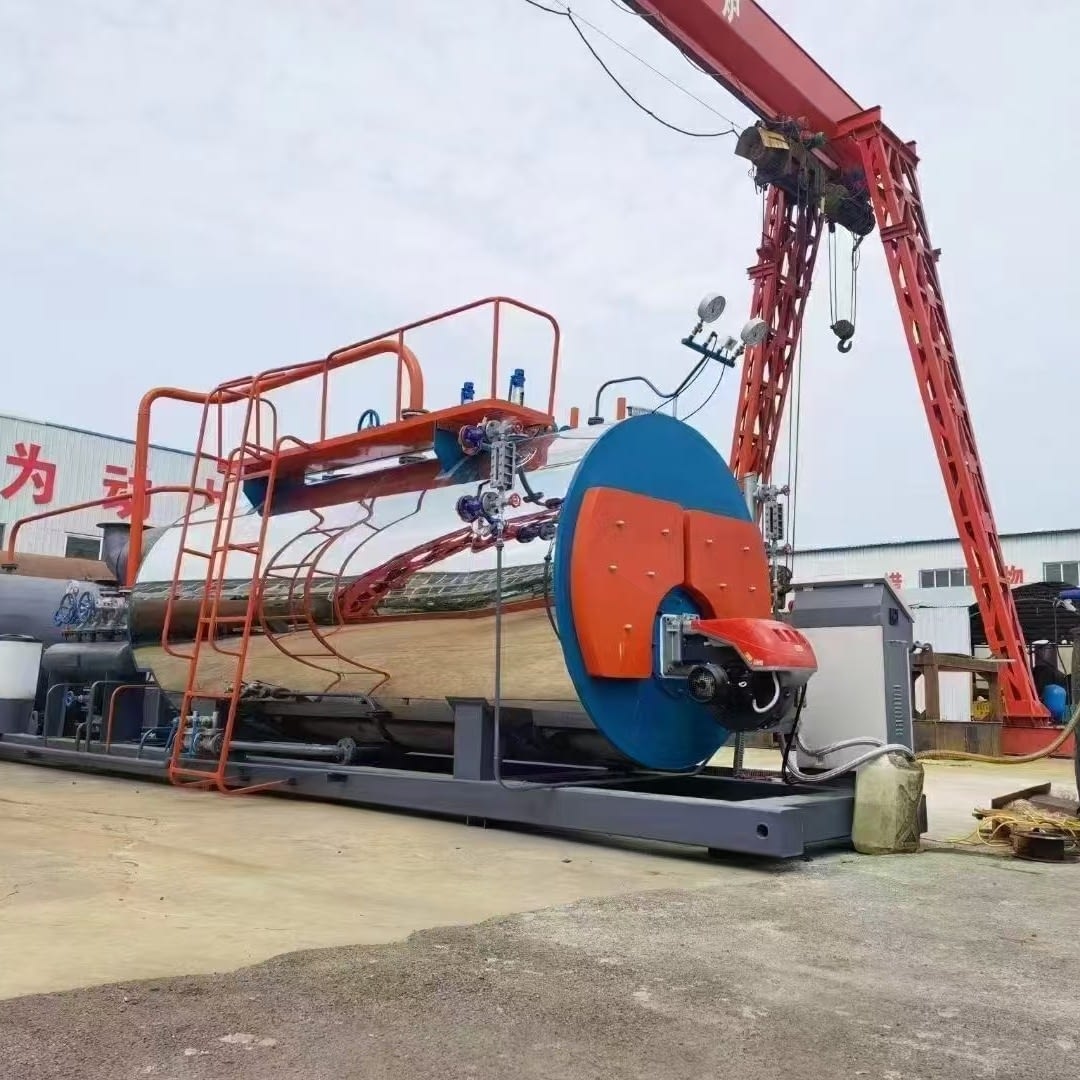
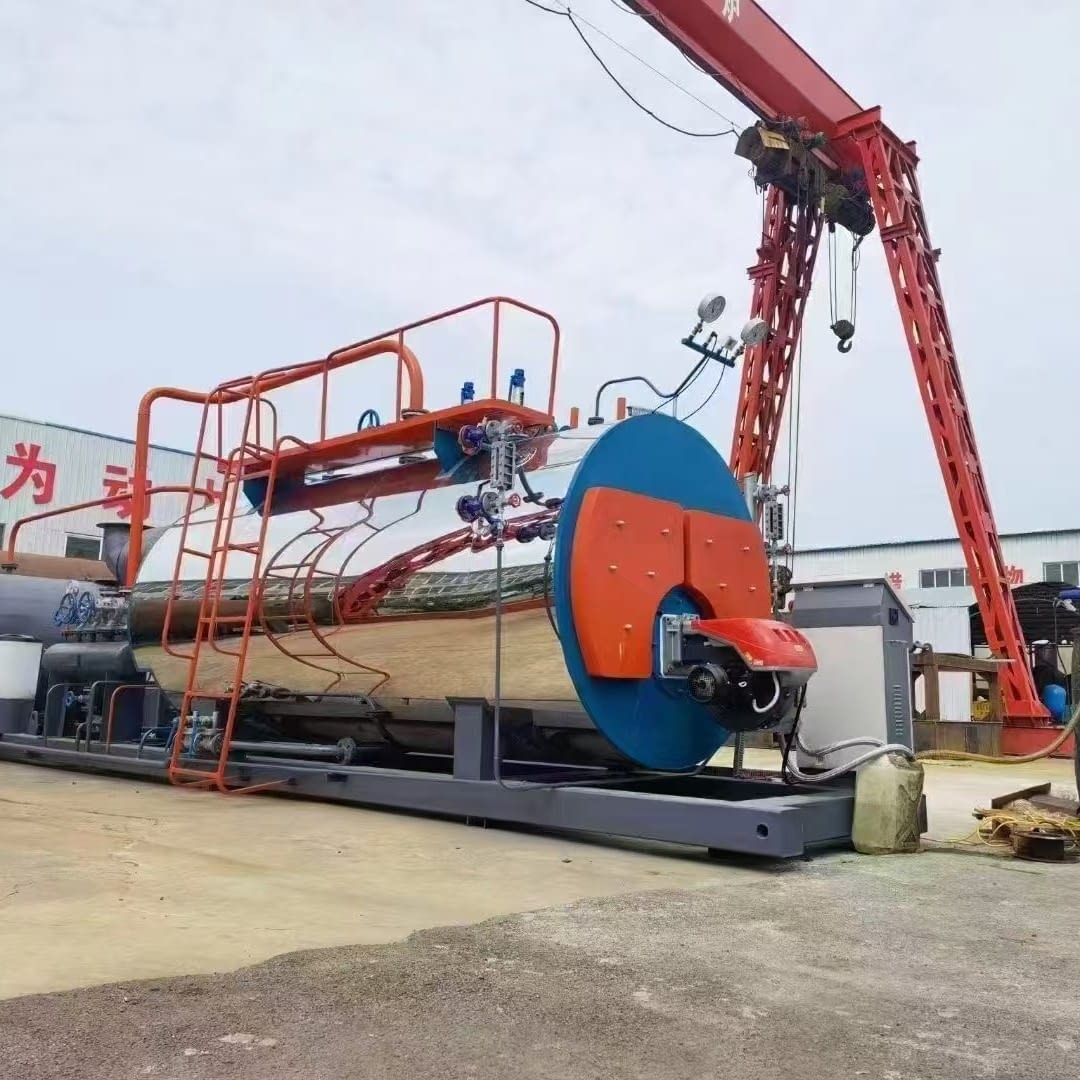
The advantage of gas steam boiler
With the development of society, steam boilers have also gained the favor of many users. So, how much do you know about gas-fired steam boilers? Now, xinda will explain it to everyone.
Xinda boilers are made of special steel plates for boilers, and the production materials and manufacturing processes are carried out in accordance with high standards. After tests by relevant departments, all indicators can meet the national standards.
The Xinda gas-fired steam boiler has a relatively compact structure, occupies a small area, and is safe and stable to use. It has safety protection devices. It will automatically alarm in case of over-temperature or over-pressure, which can ensure the safe operation of the boiler.
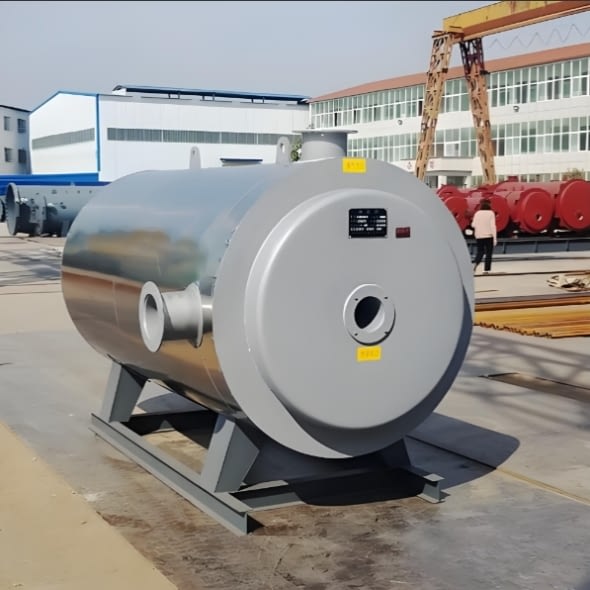
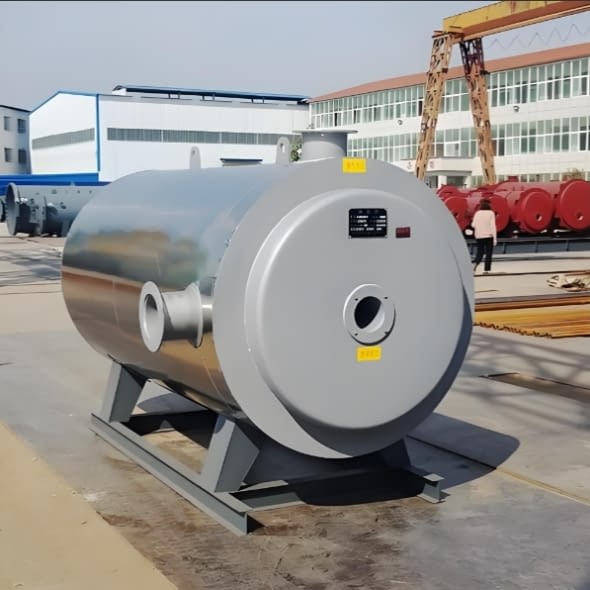
What is a hot blast stove
Hot blast stove generates heat energy through the combustion of fuel, and then uses air as a heat transfer medium to transfer heat energy to the air through the heat transfer medium in the furnace, so that its temperature rises and hot air is formed. In this process, the hot blast stove requires fans or fans to send air into the furnace and fully mix the fuel to ensure the smooth combustion process.
Hot blast stoves are widely used in many industries, such as metallurgy, chemical industry, ceramics, glass, energy and environmental protection. In the metallurgical industry, hot blast furnaces are mainly used in ironmaking blast furnaces to heat the blast to the required temperature to improve the benefit and efficiency of the blast furnaces. In the chemical industry, gas mixed air hot blast stove can provide high temperature hot air, provide sufficient heat for chemical reaction; In the ceramic and glass industries, hot blast stoves are used to improve product quality and production efficiency; In the energy industry, hot blast stoves can be used for pulverized coal combustion power generation and waste heat recovery; In the environmental protection industry, hot blast stoves can be used for waste incineration treatment to reduce the emission of harmful substances.
Advantages of a steam generator with a sterilizer
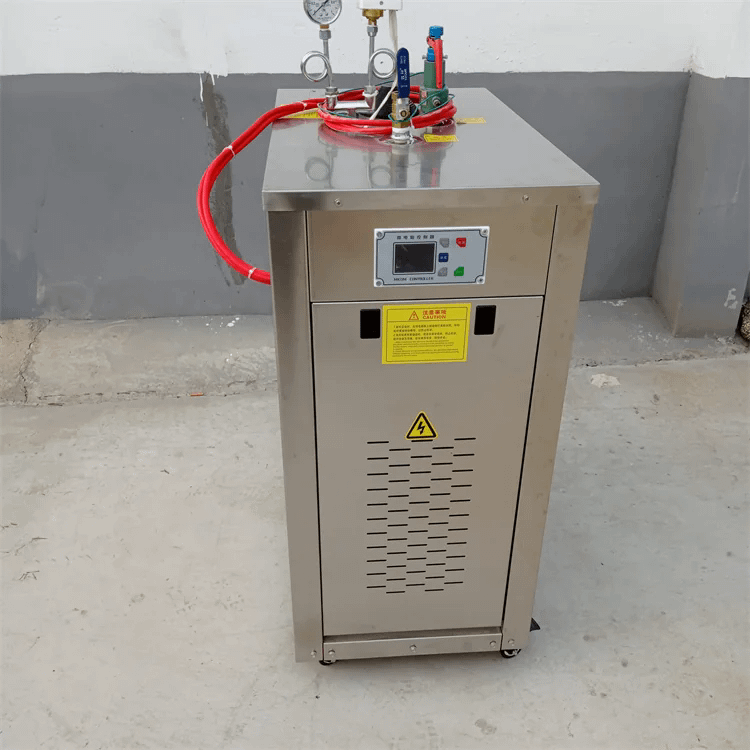
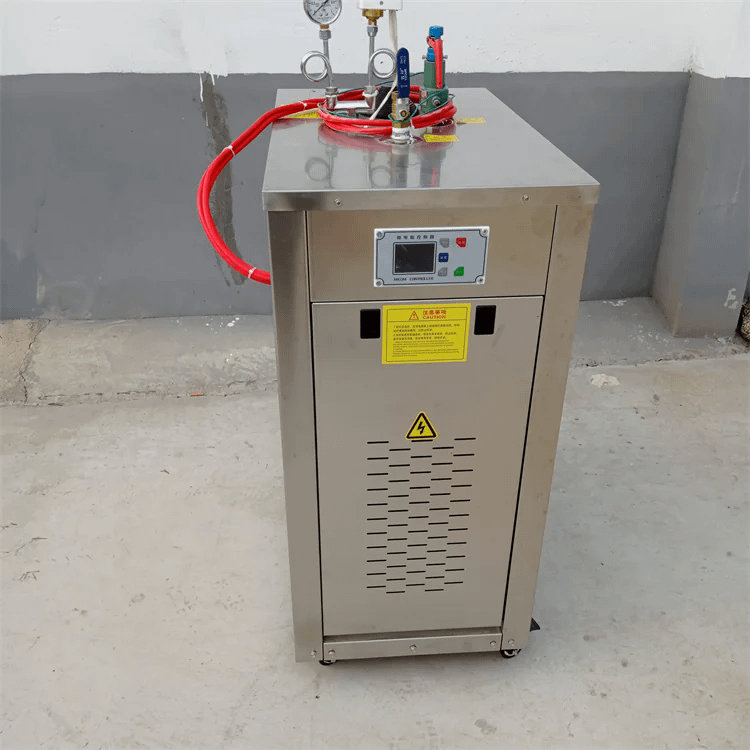
Recently, the American customer purchased a 144kw electric steam generator from us, which was used in conjunction with the sterilization pot, and the effect was good. So let me take you through the relevant knowledge.
- Sterilization effect: The steam generator provides uniform and stable steam, so that the temperature in the sterilization pot is evenly distributed, to ensure that the items in the sterilization pot can achieve good sterilization effect within the specified temperature and time.
- Improve work efficiency: The steam generators have the ability to produce steam quickly, which can make the sterilization pot reach the required working temperature in a short time, shorten the preheating time before sterilization, thus improving the overall work efficiency.

How to choose the right steam generator
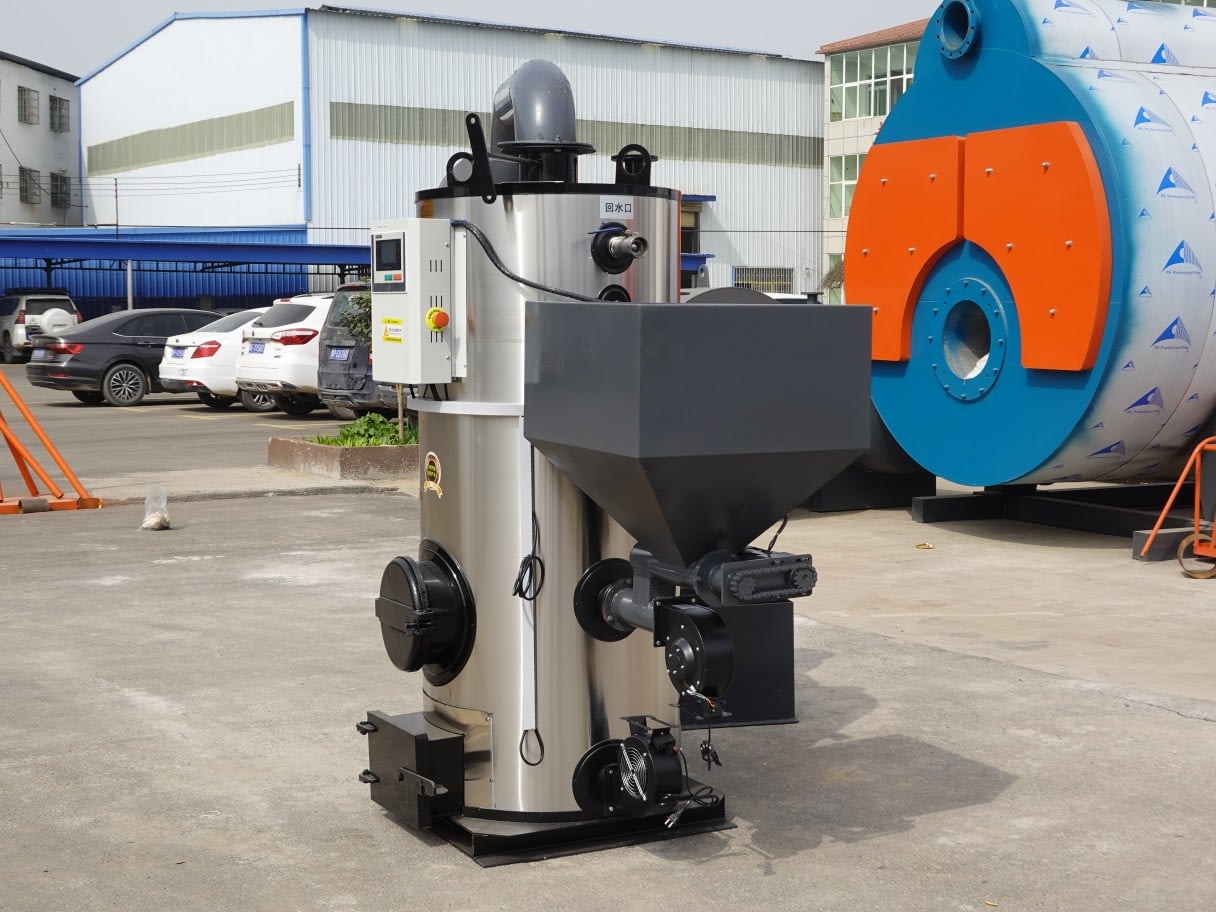
1. Steam capacity: The first thing to know is the steam production required. Different amounts of steam are used in different scenarios.
2. Working pressure: Different equipment and processes have different requirements for steam pressure.
3. Equipment size: to consider the equipment installation space area, in order to ensure the smooth installation and operation of the boiler.
4. Safety performance: Safety is crucial to the production of equipment. Choosing a boiler with a safety protection device is also crucial to the safe operation of the equipment and life and property. Xinda boiler adopts multiple protection system, overpressure protection, water shortage protection, high temperature alarm, etc., to ensure the safe operation of the equipment.

Steam boiler for petrochemical industry
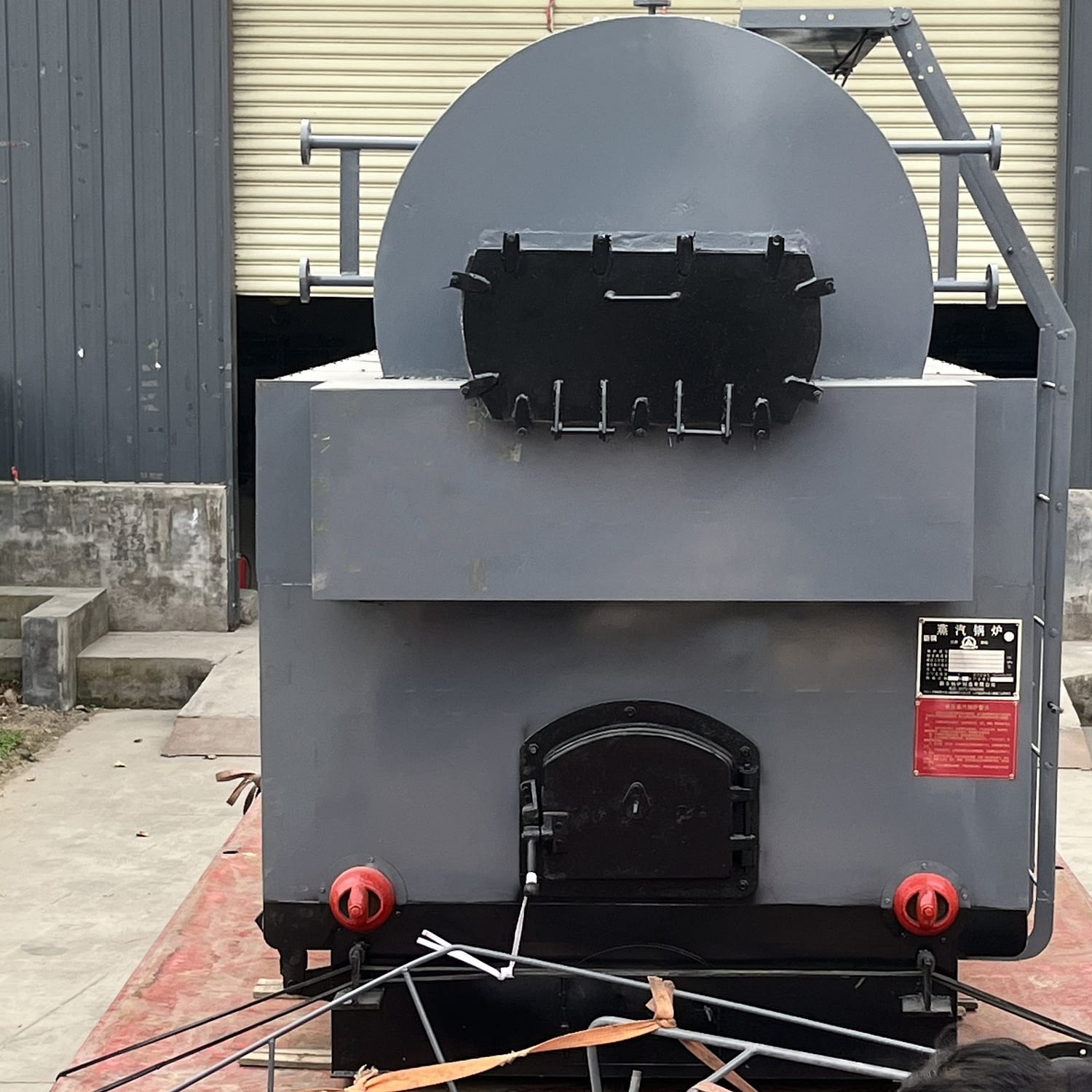
Steam boiler is a new type of thermal energy equipment that converts fuel into high-temperature steam and provides important energy for the petrochemical industry. Which aspects are used in petrochemical industry:
Steam power: The high temperature and high pressure steam produced by steam boilers can be applied to steam turbines, steam compressors and other equipment. Steam power can both provide efficient steam energy and reduce energy costs.
Provide heat energy: Steam boilers can provide stable heat energy, which can be used in drying, evaporation and other production.
Process heating: Steam boilers can be heated by various processes in the petrochemical industry, such as distillation, polymerization, etc.
Oil exploitation: Steam boilers can be used for oil exploitation, some oil has high viscosity and poor fluidity, and can be heated and diluted by high-temperature steam, which can more effectively speed up oil exploitation and increase production.
Disinfection and sterilization: The high-temperature steam provided by the steam boiler can be used for cleaning and disinfection of petrochemical equipment and pipelines. The high-temperature steam can effectively kill bacteria, microorganisms, and clean up the stains inside the pipe.
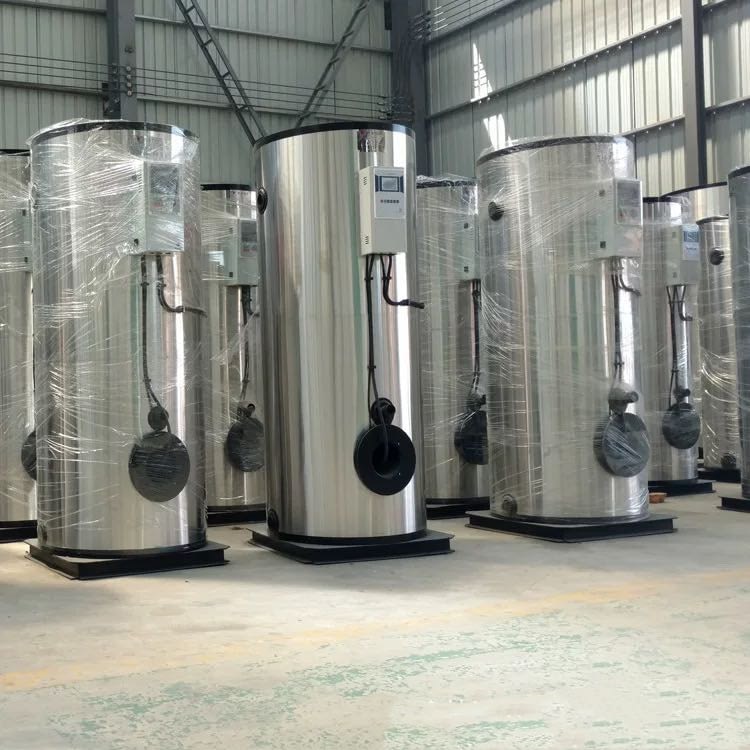

Precautions for installing a hot water boiler
Hot water boilers are widely used in various fields, such as schools, hotels, bathing centers and so on. Therefore, it is necessary to strictly follow the procedures when installing, so as not to cause security accidents.
1. Boiler location: the boiler is placed in a reasonable position, and the boiler must be placed flat to prevent damage to the equipment during operation.
2. Professional installation: First of all, we must understand the knowledge about the boiler, and the installation of the boiler must be installed by a professional installer.
3. Check whether there are safety hazards: After the boiler is installed, open the gas valve to check whether there is gas leakage when there is no fire source nearby. If there is no gas leakage, the installation is complete.