by XINDA XINDA No Comments

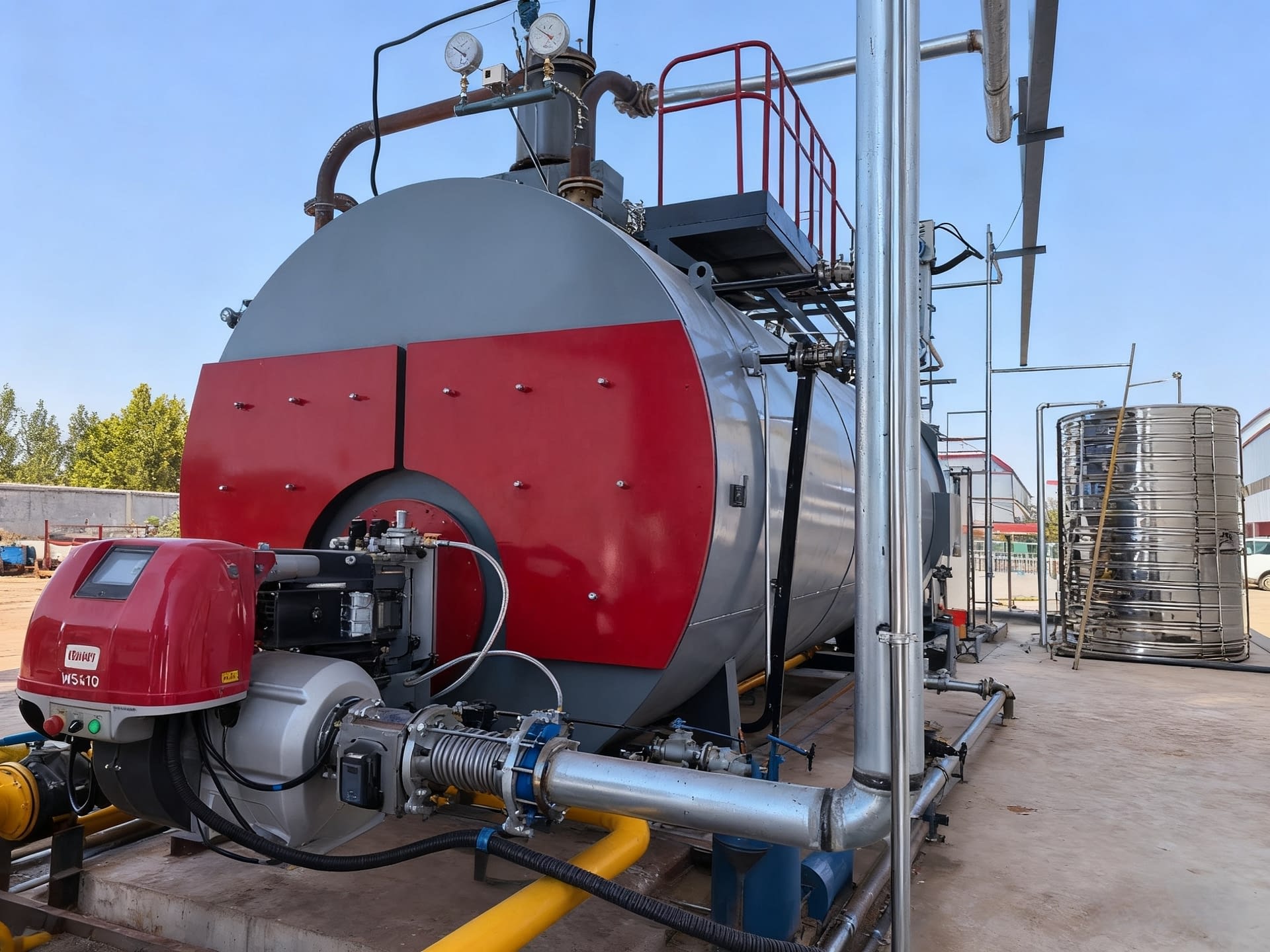
Choose a suitable hot water boiler

When choosing a suitable hot water boiler, it is necessary to make a comprehensive judgment based on multiple factors such as the usage scenario, heat load demand, fuel type, operating cost, and safety regulations. The editor has compiled the selection steps and core requirements for your reference.
1. Determine the core requirements
Thermal power is the primary basis for selecting a hot water boiler, referring to the amount of heat that needs to be provided within a unit of time, with units of kW (kilowatt) or MW (megawatt).
Civilian scenarios (residential buildings, office buildings, hotels) : Based on empirical estimates, heating in the north requires approximately 80-120 W/㎡, while in the south, it requires about 60-80 W/㎡. Multiply by the total building area and reserve a margin of 10% to 20% at the same time (to deal with extreme weather and heat loss from pipelines).
Industrial scenarios (factories, workshops, large bath centers) : In addition to heating, the heat demand for production processes and hot water supply should also be taken into account. Precise calculations should be made in combination with equipment parameters, water consumption, and water temperature differences. It is recommended that professional engineers do the calculation.

2. Select the fuel type
Boilers of different fuels vary significantly in terms of operating costs, environmental protection requirements, and installation conditions. It is advisable to select the appropriate fuel type based on local actual conditions.

3. The required installation space
Small boilers are suitable for places with limited space. Large coal-fired and biomass boilers need to reserve boiler rooms and fuel storage areas.

4. Maintenance costs
Gas and electric boilers are easy to maintain, requiring only regular inspections of the burners and pipelines. Coal-fired and biomass boilers require regular ash cleaning and grate inspection, resulting in relatively high maintenance costs.

5. The qualifications and certificates of the boilers they possess
Choose a regular brand with a special equipment manufacturing license and relevant certificates (CE,ISO,ASME) to ensure that the products comply with national standards. At the same time, pay attention to the after-sales service of the manufacturer (such as installation guidance and maintenance response speed).

by XINDA XINDA No Comments

Steam boilers are used in the steel industry

Steam boilers are indispensable core equipment for power and heat energy in the steel industry, running through multiple key processes of steel production. The steam they generate serves multiple functions such as power supply, process heating, and waste heat recovery.

It uses steam to wash and cool blast furnace gas, improving the quality of the gas and facilitating subsequent recovery and utilization. Some processes use steam as the atomization medium of the hot blast stove to optimize the fuel combustion efficiency and increase the temperature of the hot air. High-pressure steam can be used to purge the accumulated ash and impurities in the blast furnace pipelines, ensuring the stable operation of the equipment.

The stable operation of steam boilers directly affects the continuity of steel production, energy consumption levels and product quality. By rationally configuring the steam system, steel mills can not only meet the thermal energy demands of each process, but also achieve energy conservation and emission reduction through waste heat recovery and cogeneration of heat and power, which is in line with the green and low-carbon development trend of the steel industry.

by XINDA XINDA No Comments

Steam boilers are used in the laundry industry

Steam boilers are core thermal energy equipment in the laundry industry, mainly providing stable steam heat sources for key processes such as washing, drying, and ironing. They can significantly enhance washing efficiency and ensure the quality of fabric treatment. They are widely used in scenarios such as hotel linen washing, hospital medical fabric disinfection, dry cleaners, and large laundry factories.

1.The steam generated by the steam boiler can be used as the heat source for the dryer. Through the heat exchanger, the air is heated and blown onto the fabric to achieve rapid drying. For fabrics that need to be shaped (such as bed sheets, tablecloths, and uniforms), high-temperature steam can also help maintain the flatness of the fabric and reduce wrinkles.

2.High-temperature steam can be directly introduced into the washing equipment to heat the washing water to an appropriate temperature (usually 60-95℃). High-temperature environments can enhance the decontamination ability of detergents, quickly decompose stubborn dirt such as oil stains, blood stains, and protein stains, and also play a certain role in sterilization and disinfection. They are especially suitable for places with high hygiene requirements such as hospitals and hotels.

by XINDA XINDA No Comments

Steam boilers are applied in the field of heating

Steam boilers have a long history of application in the heating field and mature technology. With advantages such as concentrated heat and flexible temperature regulation, they are widely used in industrial fields, urban centralized heating and other scenarios. The core logic is to heat water to a steam state by burning fuel, and then transport the steam to the terminal through a pipeline system. The heat is released through heat dissipation equipment (such as radiators and heat exchangers) to achieve space heating. The following aspects include application scenarios, core advantages, system composition, technical features, and trends in environmental protection and energy conservation.

1. Urban centralized heating system: As the core heat source for urban heating, steam boilers are usually built in heat source plants and transported to residential communities, office buildings, hospitals and other terminals through high-temperature and high-pressure steam pipelines. Steam is converted into hot water through heat exchangers at the community heat exchange station and then distributed to users’ homes (indirect heating). Or directly heat through steam radiators (for some industrial buildings/old buildings). It is suitable for densely populated urban areas, and the heating area of a single boiler can reach hundreds of thousands to millions of square meters.

2. Public buildings: Airports, railway stations, exhibition centers, university campuses, etc., need to quickly increase the indoor temperature and meet the uniform heating requirements of large Spaces. The high-temperature characteristics of steam boilers can achieve rapid temperature rise and also provide domestic hot water supply (such as hotels and hospitals).

3. Large industrial plants: Production workshops (especially process workshops with strict temperature requirements, such as chemical, electronic, and textile industries), office buildings, and employee dormitories. In some scenarios, heating and production steam (such as drying and disinfection) can be simultaneously met, achieving “one furnace for multiple uses”.

4. Heating in extremely cold regions
In areas where the winter temperature is below -20 ℃, the high temperature of steam (usually 100-200℃) can effectively overcome the heat loss in the low-temperature environment, ensuring the heat exchange efficiency of terminal heat dissipation equipment (such as radiators and floor heating), and avoiding the problem of “no heat at the far end”.

by XINDA XINDA No Comments

Steam boilers are applied in the ironing industry

Steam boilers generate high-temperature and high-pressure steam by burning fuel (such as natural gas, diesel, etc.) or electric heating to convert water into steam, which is then delivered to equipment like irons and ironing machines. The moist and high-temperature properties of steam are utilized to soften the fibers of clothes and quickly smooth out wrinkles. It can provide a continuous and stable steam output, avoiding poor ironing effect and low efficiency caused by insufficient steam or pressure fluctuations.
Steam boilers are widely used in various industries. The garment industry’s ready-to-wear ironing and fabric pre-shrinking ironing, when used in conjunction with steam irons and steam ironing tables, are suitable for large-scale production needs. It can provide efficient ironing for hotel bed sheets, quilt covers, tablecloths and other linen, and is usually used in conjunction with large ironing machines (such as roller ironing machines).

by XINDA XINDA No Comments

How to quickly choose the right steam boiler

Choosing the right steam boiler not only enhances work efficiency but also saves costs. Next, let’s take a look with our editor:

1. Clarify the core parameters
Steam pressure, temperature, evaporation capacity + energy type (natural gas/electricity/biomass/oil);
2. Match the scene requirements
For industrial production/commercial use/special industries, determine whether customized functions are needed;
3. Compare the cost performance
Combining the initial procurement cost, long-term operating cost and service guarantee, give priority to choosing brands with high energy-saving efficiency and fast service response.

by XINDA XINDA No Comments

The advantages of steam boilers

1. Safety performance
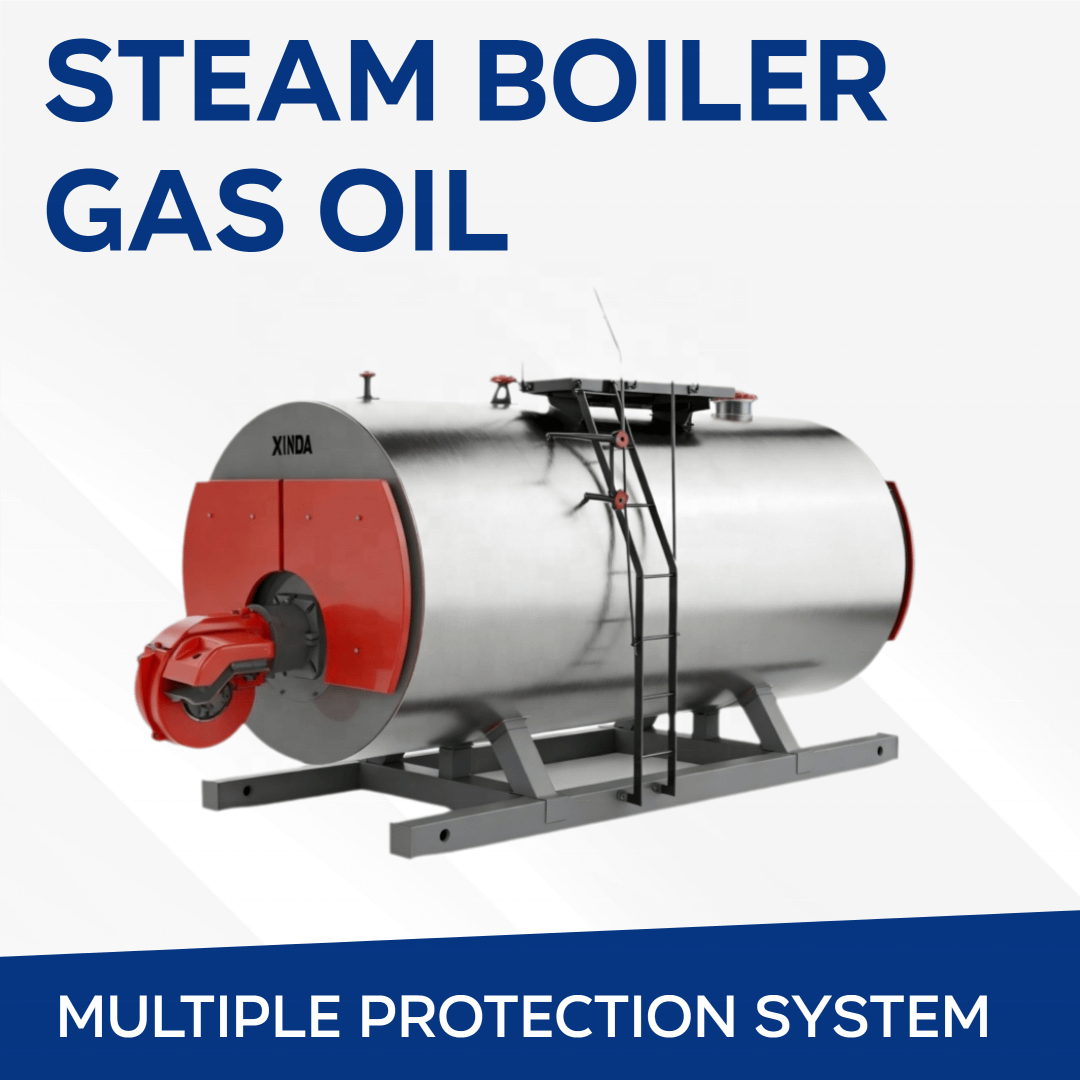
The entire series of boilers are equipped with multiple safety protections: overpressure protection (automatic pressure relief by the safety valve), low water level protection (automatic shutdown when the water level drops below the threshold), and over-temperature protection (immediate alarm for abnormal steam temperature), meeting the highest safety level of GB/T 10180-2022 “Test Procedures for Thermal Performance of Industrial Boilers”.
The pressure-bearing components are made of Q345R boiler-specific steel plates. After X-ray flaw detection, the weld qualification rate is 100%, and the service life is 3 to 5 years longer than the industry average.
2. Energy-saving efficiency
The thermal efficiency of the boiler is as high as 92% to 98% (over 96% for natural gas boilers and 99% for electric heating boilers), far exceeding the national first-class energy efficiency standard (≥88%), and it can save 5% to 15% of fuel costs per hour.
3. Strong adaptability
Complete range of models: Evaporation capacity from 0.5t/h to 100t/h, pressure from 0.4MPa to 10MPa, which can meet different scenarios such as small workshops, large factories, and commercial buildings.
4. Operation and Maintenance
Intelligent control system: Touch screen operation, supporting automatic ignition, automatic pressure adjustment, and automatic fault diagnosis. No need for professional boiler operators to be on duty 24 hours a day. Ordinary employees can get started after one hour of training.
Easy maintenance design: Key components (such as burners and water pumps) adopt well-known brands (Siemens, Grundfos), with strong universality of accessories and convenient replacement. Reserve maintenance channels, making daily maintenance (such as dust cleaning and water replacement) simple and efficient.

by XINDA XINDA No Comments

How to choose a suitable steam boiler

Choosing the right steam boiler is to precisely identify one’s own needs, which is the foundation for matching products.
1. Steam parameter matching: Clearly define the required steam pressure (such as 0.7MPa/1.25MPa/2.5MPa), temperature (saturated steam/superheated steam), and evaporation capacity per hour (t/h). These three parameters directly determine the boiler model. For instance, the food processing industry commonly uses saturated steam with a pressure of 0.7 to 1.0MPa, while the chemical industry may require superheated steam with a pressure of over 1.6MPa. Small workshops require an evaporation capacity of 1 to 4 tons per hour, while large factories need more than 10 tons per hour.
2. Application scenario adaptation: The requirements for boilers vary significantly across different industries
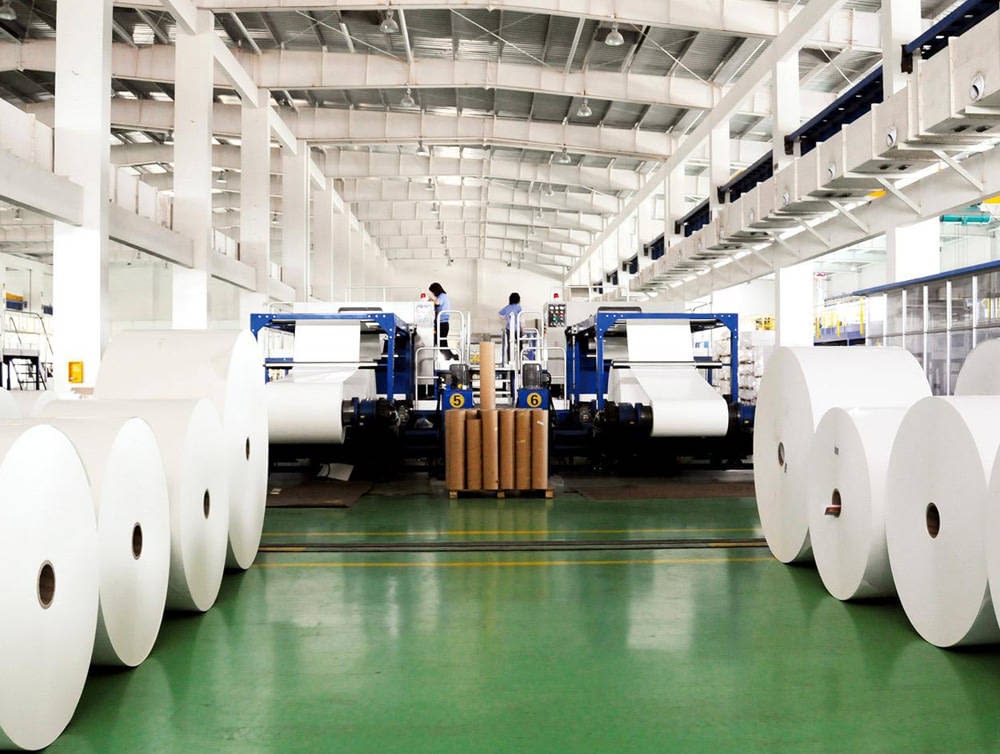
Industrial production (such as textile, papermaking, and chemical industries) : Attention should be paid to the stability of continuous operation and load regulation capacity (to cope with production fluctuations).
Commercial heating/hotel hot water: Emphasis is placed on energy conservation and environmental protection, as well as quiet operation. In some scenarios, rapid start-up is also required.
Food/Pharmaceutical industry: Hygiene standards must be met (such as stainless steel inner tanks, no pollution emissions).
3. Energy type selection: Based on local energy supply, cost and environmental protection requirements, select boilers with suitable fuel
Natural gas boiler: Clean and environmentally friendly, with low operating costs, they are suitable for areas with stable natural gas supply (such as urban industrial zones and commercial complexes).
Electric boiler: Zero emissions, easy to operate, suitable for scenarios with extremely high environmental protection requirements or without gas pipelines (such as laboratories, small workshops);
Biomass boiler: Utilizing renewable energy sources such as straw and sawdust, they are suitable for agricultural production areas or enterprises with carbon emission requirements.
Oil boiler: Emergency backup or remote areas without other energy supplies (Attention should be paid to oil storage safety and environmental protection compliance)

by XINDA XINDA No Comments

Steam boilers are used in the sterilization industry

The steam boiler heats water to boiling point through fuel combustion (fuel), generating high-temperature and high-pressure saturated steam as the sterilization medium. Its core sterilization mechanism stems from three major characteristics:
1. Efficient latent heat transfer: When saturated steam condenses, it releases a large amount of latent heat (approximately 2260kJ/kg), which is much higher than the sensible heat transfer efficiency of hot water. It can rapidly raise the temperature of the sterilized substances to the sterilization threshold of 100-135℃.
2. Pressure permeation: A steam pressure of 0.1 to 0.4MPa can force steam molecules to penetrate into the interior of the packaging or the gaps between materials, killing deeply buried microorganisms and heat-resistant spores (such as botulinum bacteria).
3. Microbial destruction mechanism: High temperature causes denaturation of microbial proteins and rupture of cell walls. Combined with the moist environment of steam, commercial sterility or pasteurization goals can be achieved in a short period of time.
To ensure the sterilization effect, the boiler system must strictly control two key indicators: steam dryness ≥95% (to avoid thermal resistance caused by moisture) and non-condensable gas ≤3.5% (to prevent the formation of uneven temperature “cold spots”). The steam boiler heats water to boiling point through fuel combustion (or other energy sources), generating high-temperature and high-pressure saturated steam as the sterilization medium. Its core sterilization mechanism stems from three major characteristics:
1. Efficient latent heat transfer: When saturated steam condenses, it releases a large amount of latent heat (approximately 2260kJ/kg), which is much higher than the sensible heat transfer efficiency of hot water. It can rapidly raise the temperature of the sterilized substances to the sterilization threshold of 100-135℃.
2. Pressure permeation: A steam pressure of 0.1 to 0.4MPa can force steam molecules to penetrate into the interior of the packaging or the gaps between materials, killing deeply buried microorganisms and heat-resistant spores (such as botulinum bacteria).
3. Microbial destruction mechanism: High temperature causes denaturation of microbial proteins and rupture of cell walls. Combined with the moist environment of steam, commercial sterility or pasteurization goals can be achieved in a short period of time.
To ensure the sterilization effect, the boiler system must strictly control two key indicators: steam dryness ≥95% (to avoid thermal resistance caused by moisture) and non-condensable gas ≤3.5% (to prevent the formation of uneven temperature “cold spots”).