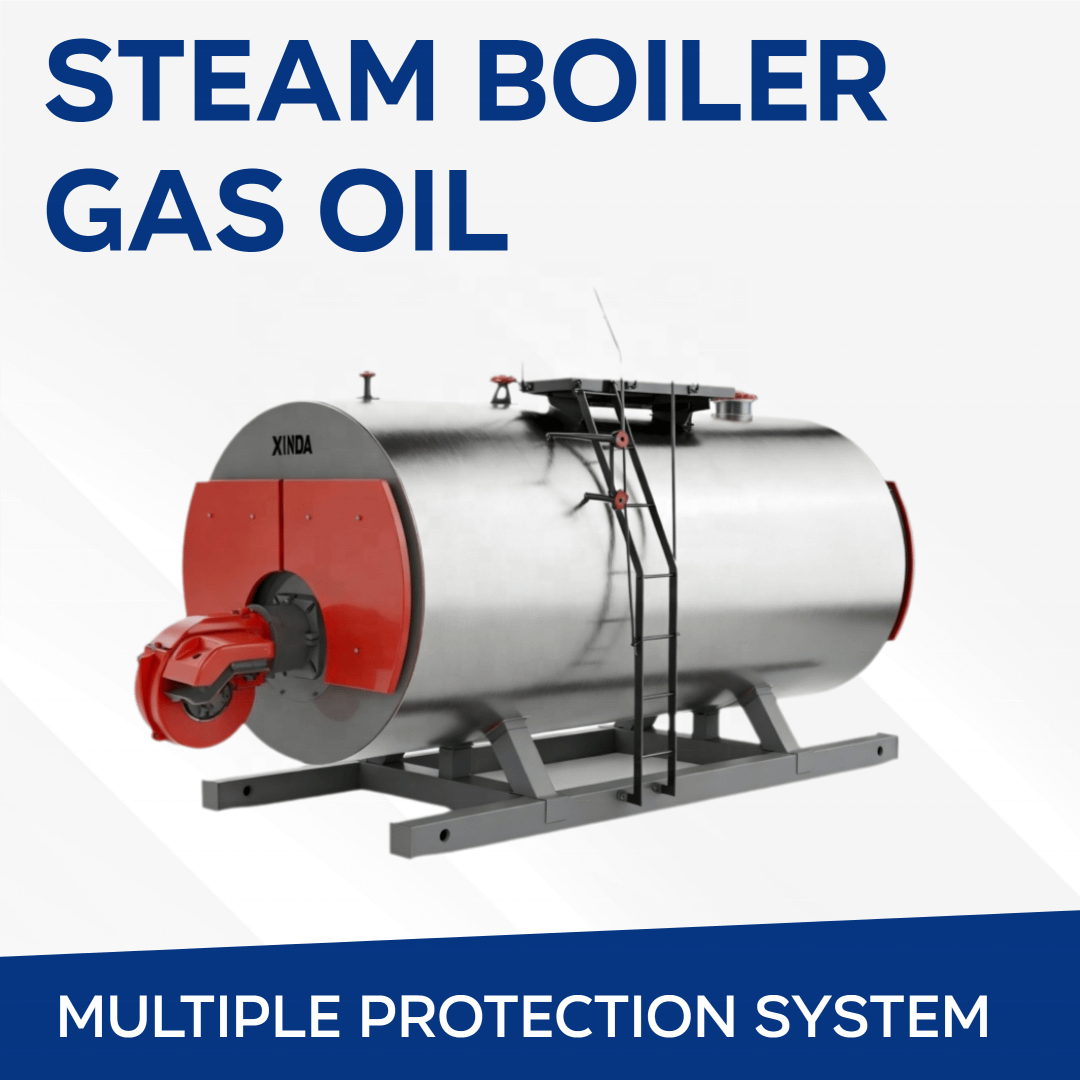
The use of steam boilers for heating in hotels is a relatively traditional and mature solution, especially suitable for medium and large-sized hotels with multiple demands such as hot water supply and kitchen steam. Its core advantage lies in stable heat output and the ability to achieve multi-purpose energy supply.
The steam boiler heats the water in the furnace by burning fuel (such as natural gas, diesel, biomass, etc.) to vaporize it into high-temperature steam, and then provides heating for the hotel through the following two methods:
Indirect heating: Steam is delivered to the heat exchanger to heat the cold water in the circulating water system. The hot water is then dissipated through the hotel’s radiator, floor heating coil or fan coil to meet the heating needs of guest rooms, lobbies, corridors and other areas.
2. Direct heating: Steam is directly introduced into the heating coil of the air conditioning unit to heat the supply air flow. This is suitable for some Spaces with high requirements for heating speed, but attention should be paid to the recovery of condensate water and prevention of steam leakage.
Meanwhile, the steam generated by the steam boiler can also be used for heating domestic hot water in the hotel, steam for kitchen steam cabinets, and steam for ironing equipment in the laundry room, etc., achieving “one machine with multiple uses” and improving energy utilization efficiency.
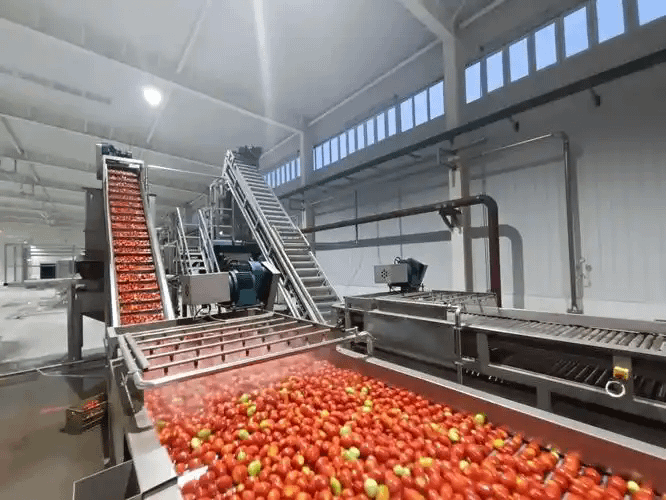
How do beverage factories choose the right steam boiler?
When a beverage factory selects an appropriate steam boiler, it needs to make a comprehensive judgment based on four core dimensions: production capacity demand, process characteristics, safety compliance, and cost control, in combination with its own production scale and product types (such as fruit juice, dairy products, carbonated beverages, etc.). The specific steps and key points are as follows:
1. Clarify core demands: Match production capacity with process parameters
Calculate the steam demand (in tonnage)
This is the primary basis for selection. It is necessary to calculate the steam consumption of all steam-using links, including sterilization, extraction, concentration, packaging and drying, etc.
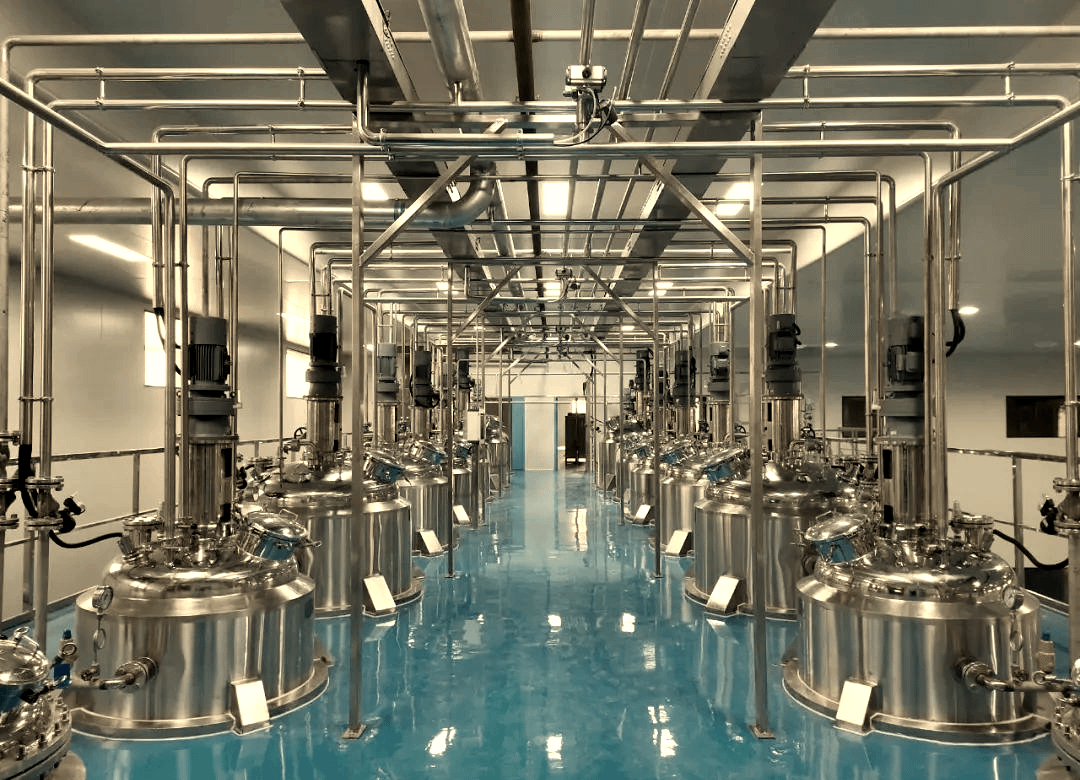
For small and medium-sized juice factories with an average daily steam consumption of approximately 1 to 5 tons, boilers with a rated evaporation capacity of 5 tons per hour can be selected. Large-scale dairy factories need to select large-capacity boilers with a capacity of 5 to 10 tons per hour based on requirements such as sterilization and insulation of fermentation tanks.
Determine the steam quality (pressure, temperature)
The processes in beverage factories mostly require saturated steam, with pressures typically ranging from 0.7 to 1.6MPa (corresponding to temperatures of 170 to 204℃).
Pasteurization and raw material extraction: 0.7 to 1.0MPa is sufficient to meet the requirements.
Ultra-high temperature instantaneous sterilization (UHT) and vacuum concentration: High-pressure steam at 1.2 to 1.6MPa is required to ensure rapid heating and efficient dehydration.
CIP cleaning: The steam pressure must match the design parameters of the cleaning system to prevent excessive pressure from damaging the pipelines.
2.Select the type of boiler fuel: Balance cost and environmental protection
The type of fuel directly affects operating costs and the difficulty of meeting environmental protection standards. It is necessary to comprehensively select suitable fuels (such as biomass, natural gas, diesel, electricity, etc.) in combination with local energy policies and fuel prices.
3. Consider safety and compliance: Meet the requirements for food production
Safety performance priority
Choose products from regular manufacturers with a national special equipment manufacturing license. Boilers should be equipped with safety valves, pressure gauges, water level gauges, and overpressure/low water protection devices to prevent safety accidents such as explosions and dry burning.
Beverage factories are classified as food production sites. The sealing performance and leak-proof design of boilers must meet standards to prevent impurities carried by steam from contaminating the workshop environment.
Choose boilers that meet national environmental protection emission standards.
Steam pipes that come into indirect contact with food raw materials should be made of food-grade stainless steel to prevent the release of heavy metals.
4. Optimize operating costs: Focus on thermal efficiency and the level of automation
Boilers with fully automatic control systems can achieve automatic water supply, automatic ignition, automatic pressure regulation, and automatic fault alarm, reducing manual operation steps and lowering operation and maintenance costs.
Supporting waste heat recovery system: Utilizing the waste heat from the boiler flue gas to preheat the feed water and heat the workshop for heating, further reducing energy consumption and enhancing the thermal efficiency of the boiler.
5. Other key considerations
Installation and floor space
Small and medium-sized beverage factories can choose horizontal quick-assembly boilers, which have a compact structure and a short installation period (1 to 2 months). Large boilers need to plan the layout of the factory building in advance, reserving space for fuel storage, ventilation and sewage discharge.
After-sales service
Choose a manufacturer that offers good after-sales service and timely communication.
The core logic for beverage factories to select steam boilers is: “process matching + optimal cost + safety and compliance”. Small and medium-sized factories should give priority to steam generators or steam boilers with a capacity of 5 tons or less. Large factories can adopt a parallel connection of multiple boilers to balance stability and flexibility, or choose large steam boilers (over 5 tons). At the same time, it is essential to attach great importance to the quality of steam and environmental protection requirements to avoid affecting product quality and production compliance due to improper equipment selection.
The core importance of steam boilers in biscuit factories
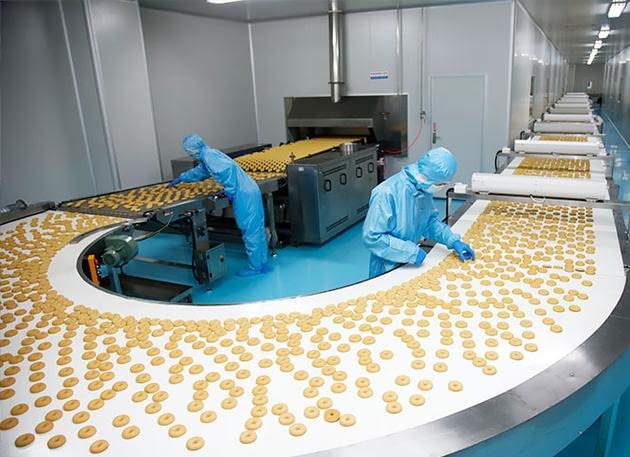
Steam boilers are indispensable core power equipment for biscuit manufacturing enterprises, running through the entire production process of biscuits from raw material pretreatment to finished product removal and packaging. They directly determine production efficiency and the stability of product quality, and also profoundly affect the energy consumption cost and safe production of the factory. They are the cornerstone of large-scale and standardized production in biscuit factories.
In the process of biscuit production, baking is the key to shaping, flavoring and locking in the quality of biscuits. The core heat source of the mainstream tunnel baking oven in biscuit factories is steam. The advantage of steam heating is that it ensures uniform heat transfer and high temperature control accuracy, allowing the cookie dough to be heated simultaneously from the inside out, thus avoiding the problem of being burnt on the outside but burnt on the inside and having a poor taste. At the same time, steam can regulate the humidity inside the baking oven, meeting the baking process requirements of different types of cookies such as flaky, tough, soda, and filled ones.
The equipment cleaning and pipeline disinfection in the factory (meeting the requirements and standards of food-grade hygiene) must use high-temperature hot water/high-temperature steam generated by steam to achieve sterilization without chemical residues, in compliance with food-grade production hygiene standards.
Some factories also utilize the pressure of steam to power the transfer pumps and forming machinery on the production line, achieving automated production linkage.
Biscuits are mass-market foods that sell at low profit margins but high volumes. Production efficiency and energy consumption costs directly determine the profit margins of factories. Steam boilers play a crucial role in both of these dimensions and are an essential condition for the large-scale development of biscuit factories. In conclusion, the steam boiler is not only the “heating equipment” of the biscuit factory, but also the core hub that runs through production, quality, cost and compliance. A high-quality and stable steam boiler is the fundamental guarantee for the biscuit factory to achieve efficient, high-quality and profitable production.
Steam boilers are used in the bread factory
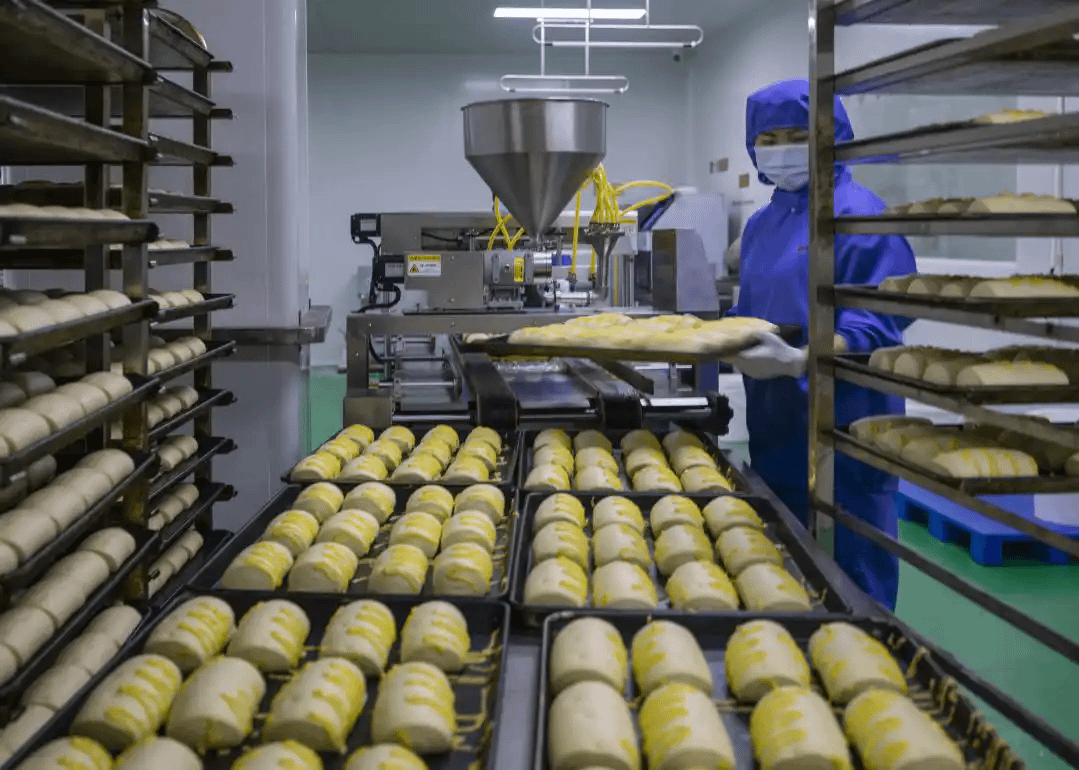
In a bread factory, the steam boiler is one of the core energy devices, mainly providing stable steam for key processes such as dough mixing, proofing, and baking of bread, directly affecting the taste, fluffiness, and product quality of the bread.
Dough proofing requires a stable temperature (28-32℃) and humidity (75%-85%). Steam can directly provide a warm and humid environment for the proofing box. Appropriate humidity can prevent the surface of the dough from drying out and forming a crust, while temperature can promote the activity of yeast, allowing the dough to fully expand and laying a foundation for the fluffiness of subsequent baking.
Introducing steam into the bread during its initial stage of being put into the oven is a key operation to improve the quality of the bread. Steam can make the temperature inside the oven more uniform, reducing the situation where some parts of the bread are burnt or undercooked.
A bread factory is a food production site, and its production equipment (dough mixers, baking trays, molds, etc.) needs to be disinfected at high temperatures regularly. The high-temperature steam produced by the steam boiler is a clean and disinfected medium free of chemical residues and meets food hygiene standards.
The bread factory also uses steam to heat the hot water in the production workshop for equipment cleaning, staff cleaning, etc. It can also be used to heat ingredients (such as syrup and oil), facilitating the even mixing of ingredients with the dough.
Steam boilers are used for disinfection in the medical industry
Steam boilers are widely used in the disinfection process of the medical industry. The core lies in using the high temperature and high penetration of saturated steam to sterilize medical devices, instruments and related items, meeting the strict requirements of aseptic operation in medical scenarios.
The saturated steam temperatuSteam boilers are widely used in the disinfection process of the medical industry. The core lies in using the high temperature and high penetration of saturated steam to sterilize medical devices, instruments and related items, meeting the strict requirements of aseptic operation in medical scenarios.
The saturated steam temperature produced by medical disinfection steam boilers is generally controlled at 121℃ -132℃, and sterilization is achieved through the following characteristics:
High-temperature inactivation of microorganisms: Temperatures of 121℃ and above can rapidly destroy the protein structure and nucleic acid of bacteria, viruses, spores and other microorganisms, rendering them inactive.
2. Strong penetrating power: When saturated steam meets the cold surface of instruments, it condenses into water, releasing a large amount of latent heat, which can penetrate into the crevices, cavities and other dead corners of the instruments. Compared with other methods of disinfection and sterilization, it is more thorough.
3. No residue: After steam disinfection, only moisture remains. After drying, there is no chemical residue. It will not cause corrosion to medical devices and will not affect subsequent medical use.
It is mainly applied in the sterilization of operating room instruments, disinfection of medical consumables, disinfection of wards and departments, and pretreatment of precision instruments such as endoscopes.re produced by medical disinfection steam boilers is generally controlled at 121℃ -132℃, and sterilization is achieved through the following characteristics:
High-temperature inactivation of microorganisms: Temperatures of 121℃ and above can rapidly destroy the protein structure and nucleic acid of bacteria, viruses, spores and other microorganisms, rendering them inactive.
2. Strong penetrating power: When saturated steam meets the cold surface of instruments, it condenses into water, releasing a large amount of latent heat, which can penetrate into the crevices, cavities and other dead corners of the instruments. Compared with other methods of disinfection and sterilization, it is more thorough.
3. No residue: After steam disinfection, only moisture remains. After drying, there is no chemical residue. It will not cause corrosion to medical devices and will not affect subsequent medical use.
It is mainly applied in the sterilization of operating room instruments, disinfection of medical consumables, disinfection of wards and departments, and pretreatment of precision instruments such as endoscopes.
Export to the United States 2ton biomass steam boiler
The 2-ton steam boiler precisely meets the peak steam demand of small and medium-sized enterprises in the United States. With a working pressure of 1.0MPa that can be flexibly adjusted and a thermal efficiency of 88%, it can save customers 15% to 20% of biomass fuel costs annually. It is compatible with local biomass fuels such as sawdust, straw and rice husks that are easily accessible in the United States, without the need for additional pretreatment, thus reducing the cost of fuel procurement and processing. The boiler is equipped with a fully automated control system (automatic ignition, water level monitoring, overpressure/low water protection), reducing human operational errors. We offer a 3-year warranty for the entire machine (the average warranty in the US market is 1 year), meeting the high demands of North American customers for after-sales service.
Compared with boilers of the same type, the price of our products is 30% to 40% lower. Moreover, through optimized structural design, the floor space is reduced by 15%, which is suitable for the space limitations of small and medium-sized enterprises’ factories in the United States. At the same time, it supports customized renovations (such as installing desulfurization and denitrification modules, remote monitoring systems) to meet the personalized needs of customers from different industries. After in-depth communication, the customer finally chose our products as a partner.
The function of the steam header
The steam header is one of the key devices in the boiler steam system, and its core function is to evenly deliver steam to each steam-consuming equipment.
1. Steam distribution
This is the most core function. The steam generated by the boiler will be concentrated and enter the steam header. Then, through multiple branch valves on the steam header, the steam will be distributed to different steam-consuming terminals (such as heat exchangers, production equipment, heating systems, etc.) as needed.
2. Voltage stabilization and current stabilization
It has a certain volume and can act as a buffer. When the steam pressure of the boiler fluctuates or the load of each steam-consuming equipment changes, the steam header can balance the system pressure, prevent sudden rises and falls in pressure, and ensure that the steam pressure delivered to each branch is stable and the flow is uniform.
3. System maintenance and control are convenient
Each branch of it is equipped with an independent valve. When the steam-consuming equipment of a certain branch needs maintenance, the valve of that branch can be closed separately without affecting the normal steam supply of other branches. At the same time, it is also convenient to install pressure gauges, thermometers, safety valves and other monitoring and safety devices on the steam distribution.
Choose a suitable hot water boiler
When choosing a suitable hot water boiler, it is necessary to make a comprehensive judgment based on multiple factors such as the usage scenario, heat load demand, fuel type, operating cost, and safety regulations. The editor has compiled the selection steps and core requirements for your reference.
1. Determine the core requirements
Thermal power is the primary basis for selecting a hot water boiler, referring to the amount of heat that needs to be provided within a unit of time, with units of kW (kilowatt) or MW (megawatt).
Civilian scenarios (residential buildings, office buildings, hotels) : Based on empirical estimates, heating in the north requires approximately 80-120 W/㎡, while in the south, it requires about 60-80 W/㎡. Multiply by the total building area and reserve a margin of 10% to 20% at the same time (to deal with extreme weather and heat loss from pipelines).
Industrial scenarios (factories, workshops, large bath centers) : In addition to heating, the heat demand for production processes and hot water supply should also be taken into account. Precise calculations should be made in combination with equipment parameters, water consumption, and water temperature differences. It is recommended that professional engineers do the calculation.
2. Select the fuel type
Boilers of different fuels vary significantly in terms of operating costs, environmental protection requirements, and installation conditions. It is advisable to select the appropriate fuel type based on local actual conditions.
3. The required installation space
Small boilers are suitable for places with limited space. Large coal-fired and biomass boilers need to reserve boiler rooms and fuel storage areas.
4. Maintenance costs
Gas and electric boilers are easy to maintain, requiring only regular inspections of the burners and pipelines. Coal-fired and biomass boilers require regular ash cleaning and grate inspection, resulting in relatively high maintenance costs.
5. The qualifications and certificates of the boilers they possess
Choose a regular brand with a special equipment manufacturing license and relevant certificates (CE,ISO,ASME) to ensure that the products comply with national standards. At the same time, pay attention to the after-sales service of the manufacturer (such as installation guidance and maintenance response speed).
The working principle of a steam boiler
The core working principle of a steam boiler is to release heat energy through fuel combustion, heating water to boiling point and vaporizing it into steam with certain pressure and temperature, and then delivering the steam to steam-consuming equipment (such as steam iron in textile factory) for energy supply.
Steam boilers are used in the steel industry
Steam boilers are indispensable core equipment for power and heat energy in the steel industry, running through multiple key processes of steel production. The steam they generate serves multiple functions such as power supply, process heating, and waste heat recovery.

It uses steam to wash and cool blast furnace gas, improving the quality of the gas and facilitating subsequent recovery and utilization. Some processes use steam as the atomization medium of the hot blast stove to optimize the fuel combustion efficiency and increase the temperature of the hot air. High-pressure steam can be used to purge the accumulated ash and impurities in the blast furnace pipelines, ensuring the stable operation of the equipment.
The stable operation of steam boilers directly affects the continuity of steel production, energy consumption levels and product quality. By rationally configuring the steam system, steel mills can not only meet the thermal energy demands of each process, but also achieve energy conservation and emission reduction through waste heat recovery and cogeneration of heat and power, which is in line with the green and low-carbon development trend of the steel industry.