by XINDA XINDA No Comments

What should be noted for steam boilers in winter

Winter is a high-load and high-risk period for the operation of steam boilers. Low temperatures can easily cause problems such as pipeline freezing and cracking, equipment start-up and shutdown failures, and decreased combustion efficiency. The core precautions revolve around five key areas: anti-freezing and anti-condensation, combustion stability, water quality control, equipment inspection, and emergency support. At the same time, both operation norms and safety protection should be taken into account. The specific key points are as follows:

Core anti-freezing and anti-condensation measures to prevent pipeline/equipment from cracking due to freezing (top priority in winter)
Operating equipment: Ensure that all pipelines such as boiler feed water, return water, steam pipelines, blowdown pipes, and sampling pipes are in good condition for heat tracing/insulation. Install insulation covers on exposed valves and flanges. The steam trap in the steam pipeline must be functioning properly to promptly discharge condensate water and prevent water hammer and freezing blockage inside the pipe.
Short-term shutdown: Completely drain the water from the drum, water tank and pipelines, and open the drain valve to maintain ventilation and dryness.
Long-term standby: Adopt dry maintenance (place desiccant and seal), or wet maintenance (add antifreeze to ensure that the freezing point of the boiler water is lower than the local minimum temperature).
Boiler room environment: The indoor temperature must not be lower than 5℃. Heating and hot air curtains should be installed, and cotton door curtains should be installed at the entrance. If the boiler room is not heated, electric tracing should be installed on key equipment (water pumps, water tanks, pipelines), and the heating lines of the electric tracing should be inspected by dedicated personnel to prevent short circuits.
Water replenishment system: Ensure proper insulation for the softened water tank and water replenishment pump pipelines. Regularly rotate and test run the water replenishment pump to prevent the pump body from cracking due to freezing. Ensure that the water level in the make-up water tank is sufficient to prevent sudden changes in the water temperature inside the furnace due to insufficient make-up water.

Optimize combustion adjustment to ensure efficient and stable operation
Fuel compatibility: In winter, the boiler load increases. Ensure that the quality of fuel (coal, natural gas, diesel, etc.) meets the standards. Install anti-freezing measures on the natural gas pipeline to prevent the pressure regulating valve from freezing and blocking. For oil-fired boilers, ensure proper insulation of the oil tank and heating of the oil filter to prevent diesel from solidifying.
Adjustment of the air-coal/air-fuel ratio: In winter, when the ambient temperature is low and the density of cold air is high, appropriately increase the supply air volume or adjust the exhaust air to ensure complete fuel combustion and reduce ash accumulation and coking. The outlet temperature of the furnace is controlled within the rated range to prevent the flue gas temperature from being too high and the thermal efficiency from decreasing due to incomplete combustion.
Furnace/flue ash cleaning: In winter, the load is high, and the furnace, convection tube bundle, and flue are prone to ash accumulation and coking. Increase the frequency of ash cleaning (such as regular operation of the soot blower and manual ash cleaning) to ensure heat exchange efficiency and prevent over-temperature inside the furnace due to ash accumulation.

Strengthen water quality control to prevent scaling and corrosion inside the furnace
In winter, the water temperature of boilers is high and the load fluctuates greatly. The water quality is prone to fluctuations, and the risks of scaling and corrosion increase. It is necessary to strictly follow the “Water Quality for Industrial Boilers” (GB/T 1576) standard:
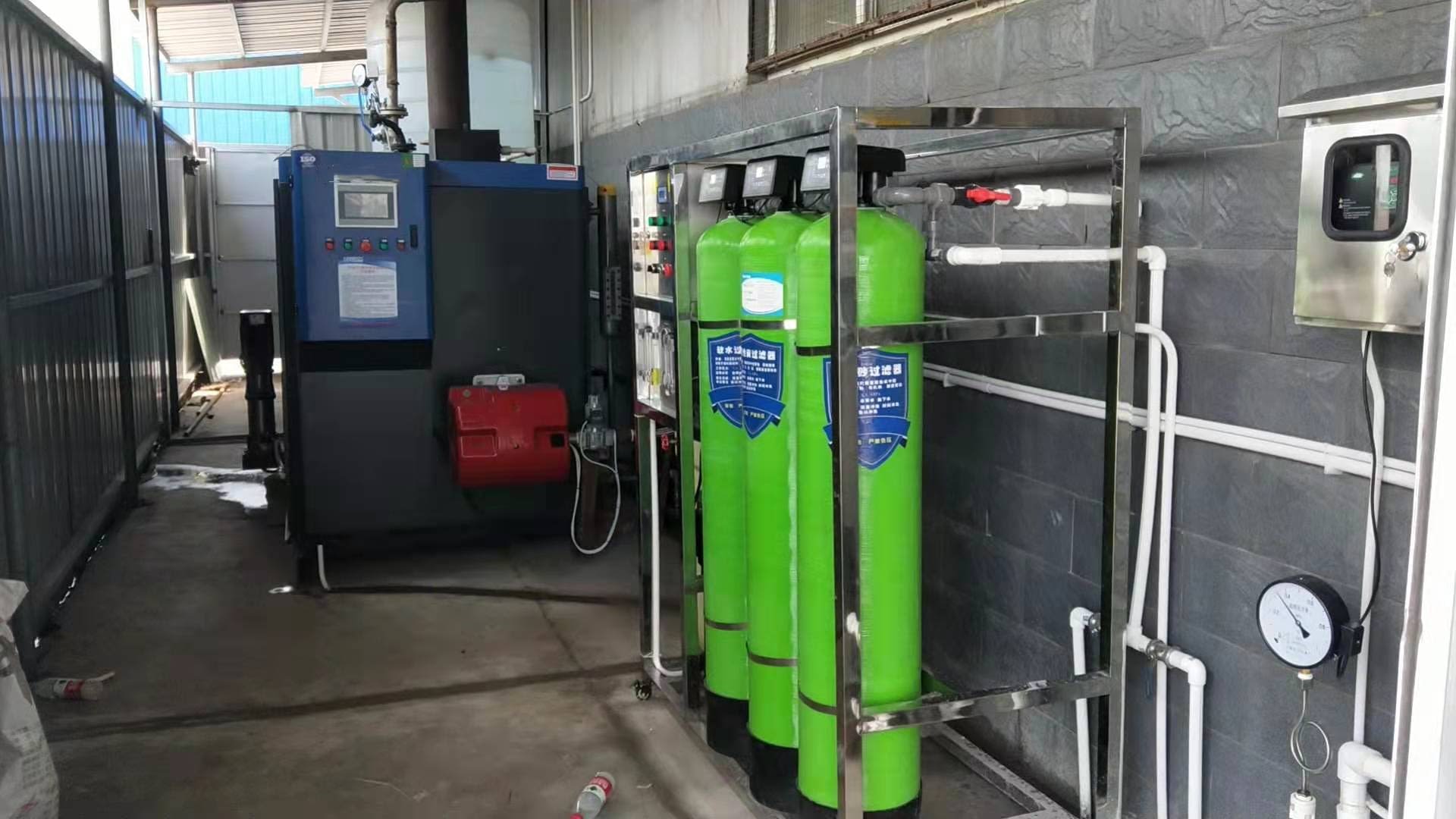
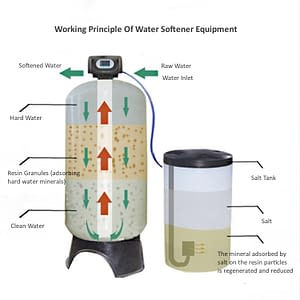
Water supply treatment: The water softening equipment operates normally for 24 hours to ensure that the hardness of the water supply is ≤0.03mmol/L. Regularly test the quality of softened water, regenerate the resin in time, and prevent the hardness of the feed water from exceeding the standard due to the failure of the resin.
Boiler water monitoring: Increase the sampling and testing frequency of indicators such as pH value, alkalinity, and chloride ions in the boiler water (at least once per shift), ensuring that the pH value of the boiler water is between 10 and 12. Timely blowdown (combining continuous and regular blowdown) should be carried out to prevent scaling and caustic embrittlement inside the furnace.
Drainage operation: The drainage pipe should be well insulated. When draining, slightly open the valve first to preheat the pipeline, and then gradually open it wider. It is strictly forbidden to drain quickly and in large flow to prevent the pipeline from cracking due to excessive temperature difference. After discharging the sewage, close the valve in time and check for any leakage to prevent water from freezing and blocking.

Intensify equipment inspection efforts to ensure “early detection and early handling
Establish a special inspection system for winter, increase the inspection frequency by 50% compared to usual, focus on inspecting the following areas, and keep good inspection records
Main body and pipelines: Check for deformation or leakage in the drum and header. Check for freezing blockage, leakage or water hammer in the steam pipeline, steam trap and blowdown valve. Check if the insulation layer and heat tracing are damaged or fallen off.
Auxiliary equipment: The bearing temperature, vibration and lubricating oil level of the induced draft fan, forced draft fan and water pump. The lubricating oil should be replaced with a winter-specific low-temperature model to prevent the lubricating oil from solidifying and causing equipment jamming. Check if the couplings and belts are loose and take good wind and snow protection measures.
Safety accessories: pressure gauges, water level gauges, thermometers, safety valves, water level alarms, over-temperature and over-pressure alarms, etc. must all be calibrated and qualified and put into normal use. The water level gauge should be flushed regularly to prevent false water levels caused by freezing and blockage. The safety valve should be manually tested regularly to ensure its sensitive operation.
Electrical system: In the boiler room, the distribution cabinets, motors and circuits should be protected from moisture and snow to prevent short circuits and leakage caused by condensation. The grounding and zero connection protection are in good condition, and the explosion-proof grade of electrical equipment in the explosion-proof area (gas boiler) meets the standards.

Standardize operation procedures and eliminate human operational errors
Furnace start-up operation: Before starting the furnace in winter, the pipelines and equipment must be preheated. Open the steam trap and vent valve, and gradually increase the furnace temperature and pressure. It is strictly prohibited to start the furnace quickly to avoid thermal stress cracking of the furnace body and pipelines due to excessive temperature difference. During the furnace start-up process, closely monitor the changes in water level and pressure to prevent water shortage and overpressure.
Shutdown operation: After shutdown, cool down and reduce pressure step by step, thoroughly drain the accumulated water, and carry out anti-freezing maintenance. It is strictly prohibited to directly release water after an emergency shutdown of the furnace to prevent the furnace body from cracking due to sudden cooling.
Shift handover: Clearly define the content of the shift handover, with a focus on the operational status of the equipment, the implementation of anti-freezing measures, water quality testing data, and fault handling records, ensuring “clear handover and well-defined responsibilities”.

Improve emergency support to deal with sudden situations (such as power outages, gas supply cuts, and freezing and cracking)
Emergency material reserves: The boiler room should be equipped with antifreeze, insulation cotton, electric tracing, de-icing agents, as well as leak-stopping glue, valves, gaskets and other vulnerable parts. At the same time, prepare emergency lighting, flashlights, fire extinguishers, fire hydrants and other safety equipment to ensure they are in good condition and available for use.
Emergency response plan drill: Develop emergency response plans for common winter faults such as power outages, gas supply cuts, pipeline freezing and cracking, and water shortage or overpressure inside the furnace. Organize operators to conduct drills, clarify the fault handling procedures, and prevent panicked operations.
Backup power supply/equipment: Key equipment (make-up water pump, induced draft fan, circulating pump) is equipped with backup power supply (generator) or backup pump body. Gas boilers are equipped with gas leakage alarm devices and interlock shut-off valves to prevent explosions caused by leakage.
Sudden freezing and blockage handling: If the pipeline is frozen and blocked, it is strictly forbidden to directly bake it with an open flame. Instead, hot water should be used to slowly defrost it, or electric tracing should be used to gradually increase the temperature to prevent the pipeline from cracking due to local overheating.

Other Safety Precautions
The boiler room should take measures to prevent wind and snow. Snow should be cleared from the roof and the entrance in a timely manner to prevent the roof from collapsing and the entrance from being blocked by accumulated snow.
Operators should take good personal protective measures, wear anti-slip shoes and cold-proof clothing to prevent slipping and frostbite.
The expansion joints of the boiler body and pipelines are operating normally to ensure the compensation space for thermal expansion and contraction, preventing damage to the expansion joints due to low-temperature contraction.

For the operation and management of steam boilers in winter, “anti-freezing” is the bottom line, “stable combustion and water quality control” is the core, and “inspection + emergency response” is the guarantee. All measures must be assigned to individuals and responsibilities to positions, and any mentality of taking chances must be eliminated. At the same time, based on the model of the boiler (vertical/horizontal, biomass/oil and gas) and its rated parameters, a targeted winter operation plan is formulated to ensure the safe, efficient and stable operation of the boiler.

by XINDA XINDA No Comments

Small steam boilers are used in laboratories

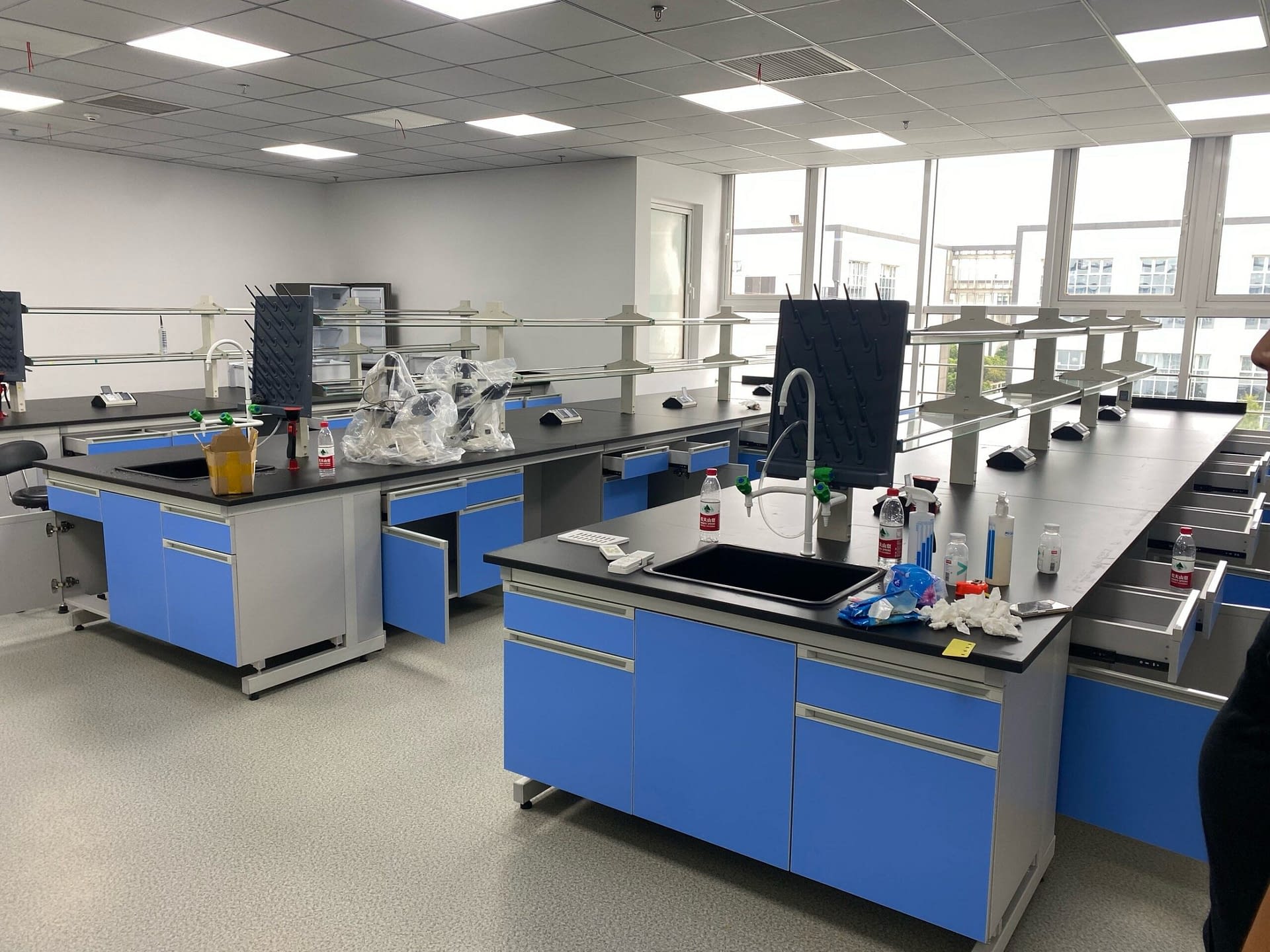
Small steam boilers are widely used in laboratories, mainly to provide steam to meet the experimental requirements such as heating, digestion and sterilization. Laboratory small steam boilers are usually electric heating steam generators. They convert electrical energy into thermal energy by means of electric heating elements to heat the liquid water in the furnace chamber. After absorbing heat, water rises to its saturation temperature and then vaporizes to form water vapor.

Features
Clean and pollution-free: The all-electric heating process has no combustion products. When used in combination with pure water or deionized water as feed water, it can produce high-purity steam, avoiding contamination of experimental samples.
Compact structure: It adopts a vertical or horizontal integrated design, occupies a small area, and can be directly installed near the laboratory bench or in a dedicated equipment room.
Fast response: The electric heating method has a small thermal inertia, and the time from startup to the production of stable pressure steam is short, which can meet the intermittent and sudden steam demand in the laboratory.
Precise control: Equipped with high-precision pressure sensors and water level sensors, combined with PLC or microcomputer controllers, it can achieve stable steam pressure output and automatic regulation, as well as precise water level control.
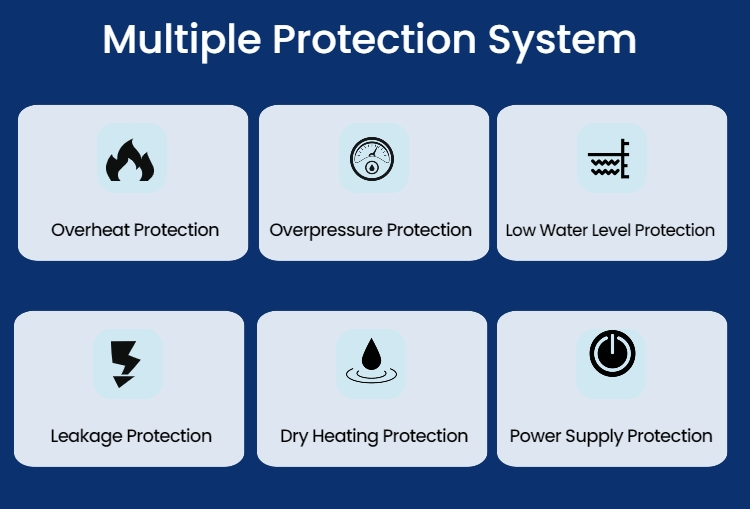
Safe and reliable: It features a one-button start and stop function, fully automatic operation process monitoring, and is equipped with multiple safety mechanisms such as overpressure relief, low water level dry burning protection, and leakage protection.

Applicable scenarios
Sterilization and disinfection: Provide steam for small autoclaves, biosafety cabinets, etc., for sterilizing culture media and experimental instruments.
Other applications: It can also be used in some processes that require steam assistance, such as cleaning and humidification, as well as in small-batch sample processing and auxiliary heating of chemical reaction vessels.

by XINDA XINDA No Comments

What are the accessories for a steam boiler

The supporting equipment and systems of steam boilers are the key to ensuring their safe, stable and efficient operation. According to their functions, they can be classified into three major categories: main supporting equipment, safety protection equipment and auxiliary system equipment.

Main Supporting Equipment: This type of equipment directly participates in the generation and transportation of steam and is a core accessory for the operation of boilers.
1. Water supply equipment
Feed water pump: It is responsible for transporting the treated water to the boiler drum and is the core equipment for maintaining the water level of the boiler. Common types include electric feed water pumps and steam-driven feed water pumps.
Water treatment equipment: including water softeners, reverse osmosis devices, etc. Steam boilers have extremely high requirements for water quality. Calcium and magnesium ions in untreated water can form scale, corrode the boiler body and reduce thermal efficiency. Deaerators can remove oxygen from the water and prevent oxidation and corrosion inside the boiler.
2. Combustion equipment
The supporting equipment varies depending on the type of fuel
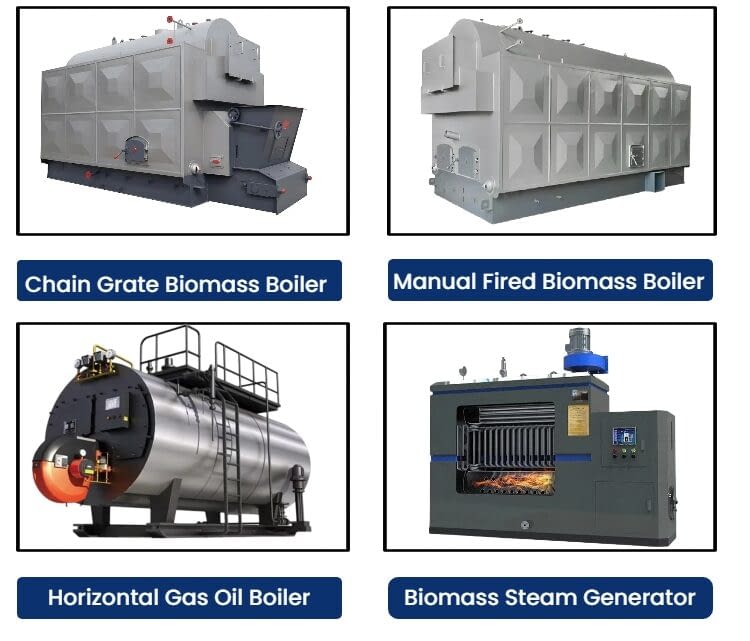
Coal-fired boilers: Equipped with coal feeders, ash removers, coal mills (for pulverized coal furnaces), grates, etc., they are responsible for fuel transportation, grinding, combustion and ash and slag discharge.
Oil/gas boilers: Equipped with burners, fuel pumps/storage tanks/gas pipelines, etc., to ensure stable fuel supply and complete combustion.
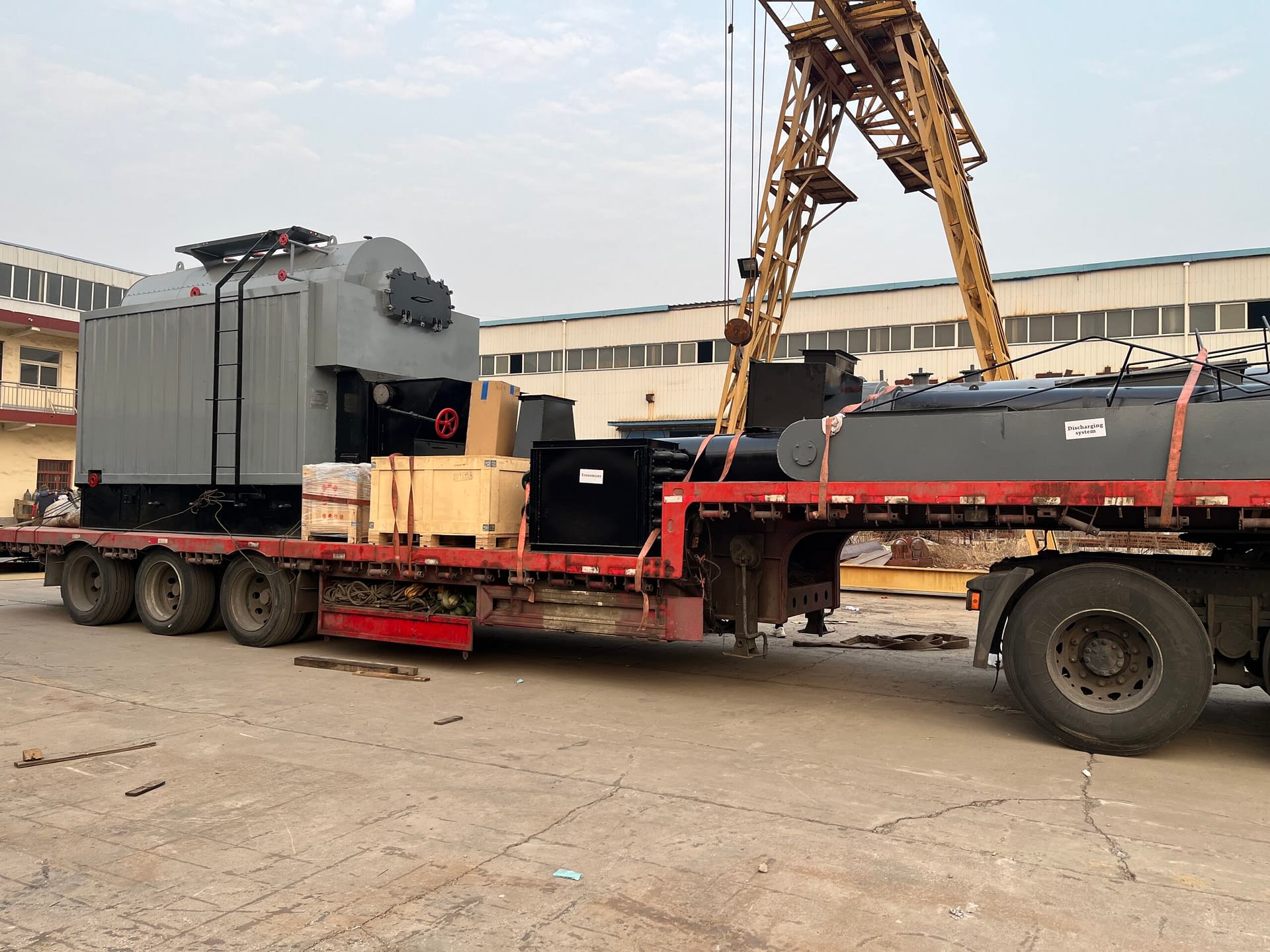
Biomass boiler: equipped with conveyors, silos, etc.
3. Steam conveying equipment
Steam distribution cylinder: It distributes the steam generated by the boiler to different steam-using pipelines, and at the same time serves to stabilize pressure and separate steam and water.
Steam pipes and valves: including globe valves, gate valves, check valves, etc., are used for the transportation, regulation and shut-off of steam.

Safety Protection Equipment: This type of equipment is an essential device to prevent accidents such as overpressure, over-temperature, and water shortage in boilers, and must comply with national safety regulations for special equipment.
Pressure safety device
Safety valve: It automatically opens to relieve pressure when the boiler pressure exceeds the rated value. It is the most crucial safety component of the boiler and needs to be calibrated regularly.
Pressure gauge: It can display the pressure values of the boiler drum, steam distribution cylinder and other parts in real time, facilitating the monitoring by operators.
Pressure controller: Automatically controls the start and stop of the combustion system through pressure signals to prevent overpressure operation.
Water level safety device
Water level gauge: It visually displays the water level height in the boiler drum. Common types include glass plate water level gauge and magnetic flap water level gauge.
Water level alarm: When the water level is too high (full water) or too low (lack of water), it automatically issues an audible and visual alarm signal.
High and low water level interlock protection device: When the water level is abnormal, it automatically cuts off the fuel supply and combustion system, forcing the furnace to shut down.

Auxiliary System Equipment: This type of equipment is used to enhance the operational efficiency of boilers, reduce energy consumption and decrease pollutant emissions.
Flue gas treatment equipment
Dust collectors: Remove dust from flue gas. Common types include bag filters, electrostatic precipitators, and cyclone filters.
Desulfurization and denitrification equipment: For coal-fired and oil-fired boilers, it reduces the content of sulfur dioxide and nitrogen oxides in flue gas to meet environmental protection emission standards.
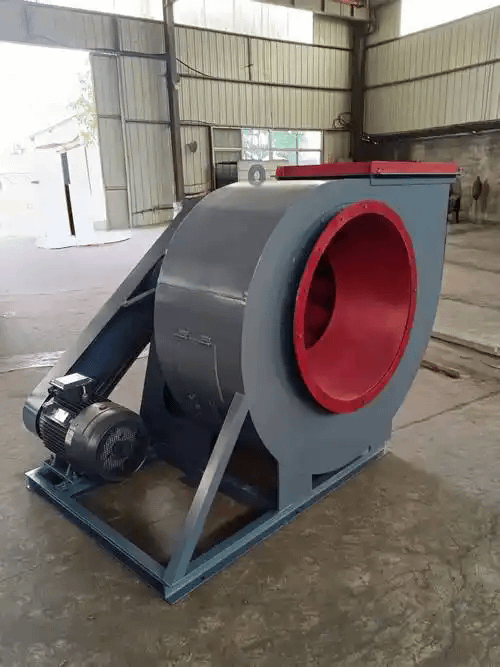
Induced draft fan and blower: The induced draft fan is responsible for discharging the flue gas after combustion, while the blower supplies combustion-supporting air to the furnace. The two work together to maintain a stable negative pressure in the furnace.
Waste heat recovery equipment
Economizer: Utilizing the residual heat of flue gas to heat the boiler feed water, it reduces the flue gas temperature and enhances thermal efficiency.
Air preheater: Utilizing the residual heat of flue gas to heat the combustion-supporting air and improve combustion conditions.
Waste heat boiler: Some industrial scenarios are equipped with waste heat boilers to recover the waste heat from other equipment and generate steam.
Control system
PLC control cabinet: It automatically controls and remotely monitors parameters such as water level, pressure, temperature and combustion of the boiler, achieving intelligent operation.

by XINDA XINDA No Comments

How to determine the rated steam pressure of a gas-fired steam boiler?

Determining the rated steam pressure of a gas-fired steam boiler can be summed up in one sentence: The steam pressure must meet the maximum working pressure required by the equipment that uses steam. Here I’ll give you a simple, practical and pitch-free judgment method.

1.The most crucial basis: How much pressure does your steam-using equipment require?
Steam pressure is neither the higher the better nor the lower the better; it should match your equipment.
You just need to check the nameplate of the equipment you use steam. It usually states: · Working pressure (MPa); Maximum allowable pressure (MPa).
The rated steam pressure of the boiler must be greater than or equal to the maximum working pressure of the equipment.
For example: If you have a sterilizer that requires 0.7MPa, then the boiler should at least be selected at 0.7MPa.

2. If the pressure of the equipment is unknown, it can also be judged by empirical values
The following are typical stress requirements in common industries:
· Food processing (steaming, double-layer pot) : 0.4-0.7MPa
· Washing and ironing industry: 0.4-0.6MPa
· Pharmaceutical industry: 0.6-1.0MPa
· Chemical industry: 0.6-1.25MPa
· Heating: Atmospheric pressure boilers are generally employed.(0mpa)
If you don’t know the pressure of the equipment, you can tell me your industry and I can directly recommend a suitable pressure for you.


by XINDA XINDA No Comments

How to ensure the stable operation of steam boilers in the papermaking industry

To ensure the stable operation of steam boilers in the papermaking industry, it is necessary to establish a full-process management system from four dimensions: preparation before operation, control during operation, regular maintenance and upkeep, and formulation of emergency plans. Considering the characteristics of continuous production and large fluctuations in steam demand in the papermaking industry, the specific measures are as follows
I. Before operation: Make basic preparations and calibrate parameters
Precisely match the steam load
The steam consumption in the processes of pulping, cooking, papermaking and drying in the papermaking production line fluctuates greatly. It is necessary to calculate the maximum instantaneous steam consumption and the average steam consumption in advance, and configure steam accumulators to balance peak and off-peak loads, so as to avoid frequent start-up and shutdown of the boiler or overloading operation.
At the same time, ensure that the rated evaporation capacity of the boiler reserves a margin of 10% to 20% to meet the temporary production increase demands of the production line.
Strict control over fuel and water quality
Fuel management: Paper mills commonly use biomass fuels such as black liquor, tree bark, and wood chips. It is necessary to ensure the stability of the fuel’s calorific value and that the moisture content meets the standard (the moisture content of biomass fuel is recommended to be ≤25%) to avoid unstable combustion in the furnace due to fluctuations in fuel calorific value. Black liquor needs to be filtered to remove impurities to prevent clogging of nozzles or grate.
Water quality management: Papermaking boilers have extremely high requirements for the quality of feed water. They need to be equipped with water softening and deaeration devices, strictly controlling the hardness of the feed water to be ≤0.03 mmol/L and the dissolved oxygen to be ≤0.05 mg/L, to prevent scaling and corrosion on the boiler’s heating surfaces, which may affect heat transfer efficiency and equipment lifespan.

Pre-inspection of equipment and systems
Before starting, it is necessary to check whether the safety accessories such as the boiler body, safety valve, pressure gauge and water level gauge are sensitive and reliable. Check the flow conditions of waste heat recovery devices such as economizers and air preheaters; Confirm the valve opening and closing status of the steam network to avoid “blind pipes” or steam leakage.
Ii. During operation: Strengthen real-time monitoring and load regulation
Real-time monitoring of core parameters
Establish a boiler operation monitoring system to track key parameters such as steam pressure, steam temperature, water level, furnace negative pressure, and flue gas temperature in real time. Set parameter fluctuation thresholds (such as steam pressure fluctuation ≤±0.05 MPa), and immediately alarm once the limit is exceeded.
Key focus:
Water level control: A three-stroke water level regulation system is adopted to prevent full water or water shortage accidents.
Combustion control: Automatically adjust the fuel supply volume and the volume of forced and induced draft air according to the load changes to maintain the optimal air-coal ratio, ensure complete combustion in the furnace, and reduce the heat loss of flue gas.
Load regulation suitable for papermaking production lines
The steam consumption of the papermaking production line varies with the pulping batch and the papermaking speed. The boiler needs to have a wide load adjustment capacity (stable operation at 30% to 110% of the rated load).
Intelligent interlocking control can be adopted: The boiler control system can be connected to the DCS system of the papermaking production line. Based on parameters at the steam-consuming end such as the temperature of the drying cylinder and the pressure of the steamer, the combustion conditions of the boiler can be automatically adjusted to achieve precise matching of supply and demand.
Reduce steam loss and recycle it
Regularly inspect the steam pipeline network, promptly repair leakage points, and insulate the pipelines to reduce heat dissipation losses.
The condensate water discharged from the drying cylinder is recovered in a closed manner, and the high-temperature condensate water is directly used as boiler feed water. This not only reduces the cost of soft water preparation but also utilizes the residual heat of the condensate water to increase the boiler feed water temperature and lower fuel consumption.
Iii. Regular Maintenance: Establish a standardized maintenance system
Cleaning and inspection of the heating surface
Descaling: Depending on the water quality, chemical cleaning or mechanical descaling should be carried out on the boiler heating surface every 3 to 6 months to prevent the decline in heat transfer efficiency and local overheating damage caused by scaling.
Ash cleaning: Regularly clean the accumulated ash in the economizer, air preheater and bag filter to ensure smooth flow and reduce flue gas resistance.
Calibration and maintenance of safety accessories and auxiliary equipment
Safety valve: Manual discharge tests are conducted every quarter, and it is sent to a professional institution for calibration every year to ensure the accuracy of the take-off pressure.
Pressure gauges and water level gauges: Calibrated once a month to ensure accurate indication.
For auxiliary machines such as forced and induced draft fans and feed water pumps: Regularly check the bearing temperature and lubricating oil level, and replace worn parts in a timely manner to prevent boiler shutdown due to auxiliary machine failure.
Special maintenance for fuels dedicated to papermaking
If black liquor or high-ash biomass fuel is used, the frequency of cleaning the grate and nozzles should be increased to prevent coking and blockage. Regularly inspect the pipelines and valves of the alkali recovery system to prevent corrosion and leakage.
Iv. Emergency Management: Develop contingency plans and conduct regular drills
Establish emergency response plans for common faults
In response to common faults in papermaking boilers such as sudden drops in steam pressure, coking inside the furnace, and interruption of water supply, detailed emergency procedures have been formulated, clearly defining the handling steps for operators, for example:
When the steam pressure drops sharply, priority should be given to ensuring the steam supply for the papermaking and drying process, and the load of the pulping process should be temporarily reduced.
When coking occurs in the furnace, the combustion conditions should be adjusted in a timely manner, and mechanical decoking or manual cleaning should be adopted after the furnace is shut down.
Regularly carry out emergency drills
Organize a boiler malfunction emergency drill every six months to test the handling capabilities of the operators and at the same time improve the loopholes in the contingency plan.
Reserve key spare parts
Stock up on key spare parts such as safety valves, pressure gauges, nozzles and pump impellers in advance to avoid prolonged downtime due to shortage of spare parts.

by XINDA XINDA No Comments

Hot water boilers are used in the heating industry

The core function of a hot water boiler is to provide hot water and meet various heating demands based on the heat transfer of hot water. The common application scenarios mainly fall into the following categories:
1. Civil heating
This is the most widespread use of hot water boilers. The boiler heats water to a certain temperature (usually the supply water temperature is 80-95 ℃ and the return water temperature is 60-70 ℃), and then delivers it through pipes to the terminal equipment such as radiator, floor heating coil or fan coil in the room. The heat of the hot water is used to raise the indoor temperature, which is suitable for winter heating in residential buildings, office buildings, shopping malls, schools and other places.
2. Domestic hot water supply
Some hot water boilers can also be used or are specifically designed to supply domestic hot water, such as meeting the needs of bathing, kitchen water, cleaning water, etc. In such scenarios, the temperature of the hot water heated by the boiler is generally controlled at 40 to 60 degrees Celsius and is supplied to the water usage points within the building either through a hot water storage tank or by direct delivery.
3. Industrial production heating
In the industrial field, hot water boilers can serve as heat sources to provide heating support for production processes, for example:
Constant temperature heating for dyeing and drying processes in textile factories;
It is used in food processing plants for raw material preheating, steaming, sterilization and other processes;
It is used for temperature control and heating of reaction vessels in the chemical and pharmaceutical industries, or for insulation and moisture retention in workshops.
It should be noted that the water in a hot water boiler is generally in a closed or semi-closed circulation. Compared with steam boilers, it has a lower operating pressure, higher safety, and less heat loss.

by XINDA XINDA No Comments

Why do wineries choose steam boilers

Wineries choose steam boilers mainly because steam has advantages such as precise temperature control, uniform heating, easy adjustment, cleanliness and hygiene, and safety and reliability in the wine production process. The following are the specific reasons:
1. Fermentation temperature control
Wine fermentation requires strict temperature control (red wine is generally 25-30°C, and white wine is 15-20°C). Steam passing through the heat exchanger can stably and precisely regulate the temperature of the fermentation tank, avoiding local overheating or temperature fluctuations.
2. Sterilization and hygiene requirements
Steam is a natural bactericide and can be used to sterilize equipment, pipelines and fermentation tanks, ensuring that wine is not contaminated by miscellaneous bacteria.
3. Uniform heating
Steam heating is carried out through a heat exchanger and does not directly contact the wine body, avoiding changes in wine quality caused by local high temperatures. The heating process is more gentle and uniform.
Easy to adjust and automate
The steam pressure and flow rate can be precisely controlled, facilitating linkage with an automated system to achieve automatic adjustment of fermentation temperature and sterilization temperature.
4. Safe and reliable
The steam boiler technology is mature, operates stably, and the steam itself does not burn or explode, making it safe to use.
5. High energy efficiency
Steam boilers have high thermal efficiency and can quickly meet the heating demands during the brewing process, reducing energy consumption.
6. Versatility
Steam is not only used for temperature control and sterilization during fermentation, but also for multiple processes such as distillation of grape skins and residue, hot water supply, and heating in workshops.

by XINDA XINDA No Comments

The importance of steam boilers in tomato sauce factories

Steam boilers play a core and irreplaceable role in the production process of tomato sauce factories. Their significance runs through the entire process from raw material pretreatment to finished product packaging, directly affecting product quality, production efficiency and energy consumption costs.

Steam can be used to heat the cleaning water, enhancing the cleaning effect and removing pesticide residues and soil impurities on the surface of tomatoes. Meanwhile, tomatoes that have been heated are more prone to breakage, which can enhance the efficiency and yield of subsequent pulping. Tomatoes contain pectinase, polyphenol oxidase and other enzymes, which can cause tomato sauce to brown, reduce viscosity and affect quality. Rapid preheating and enzyme inactivation of crushed tomatoes through steam heating can effectively inhibit the activity of enzymes, maintaining the color and taste of tomato sauce.

The high-temperature steam produced by the steam boiler is the main heating medium for the evaporator. Through heat exchange, the heat of the steam is transferred to the tomato pulp, causing the water to vaporize and separate rapidly, achieving concentration. The stability of steam pressure and temperature directly determines the concentration efficiency and product uniformity. A stable steam supply can prevent over-concentration or under-concentration, ensuring that the concentration and viscosity of each batch of tomato sauce are consistent.

Tomato sauce is an acidic food, but it still needs to be strictly sterilized to kill pathogenic and spoilage bacteria and extend its shelf life. High-temperature sterilization process is usually adopted. Steam is used to heat the tomato sauce to the specified sterilization temperature (such as 90-100℃) and maintain it for a certain period of time to thoroughly kill microorganisms. Compared with other heating methods, steam sterilization has uniform temperature and strong controllability. It can ensure the sterilization effect while reducing the damage to the nutritional components and flavor of tomato sauce.

In conclusion, the steam boiler is the “power heart” of a tomato sauce factory. Its performance and operational stability directly affect product quality, production continuity, and the economic benefits of the enterprise.

by XINDA XINDA No Comments

Some suggestions for choosing boilers in dessert factories

Due to the high requirements for temperature control accuracy in dessert production and its sensitivity to hygiene conditions, the following points should be noted when selecting the type:
Give priority to gas-fired steam boilers
High thermal efficiency: The thermal efficiency of gas boilers can reach over 95%, making them more energy-efficient compared to coal-fired boilers.
Environmental protection: Clean combustion, no dust or waste residue, meeting the environmental protection and hygiene requirements of food factories.
Quick start and stop: Suitable for production with large load fluctuations (such as order-based production).
Electric heating steam generator (small/laboratory use) :
If it is a small workshop or laboratory research and development, electric heating boilers are very popular due to their small size, no need for inspection (for some models), and no pollution.

Temperature control accuracy
The cooking of desserts is highly sensitive to temperature (a difference of 1-2 degrees may result in a completely different taste). It is recommended to choose a boiler equipped with a PLC fully automatic control system, which can precisely adjust the steam pressure and thus accurately control the temperature.

Food-grade water quality requirements
Boilers must be equipped with soft water devices. If the steam contains rust or impurities, it will seriously affect the color and taste of desserts (for example, causing jam to discolor).

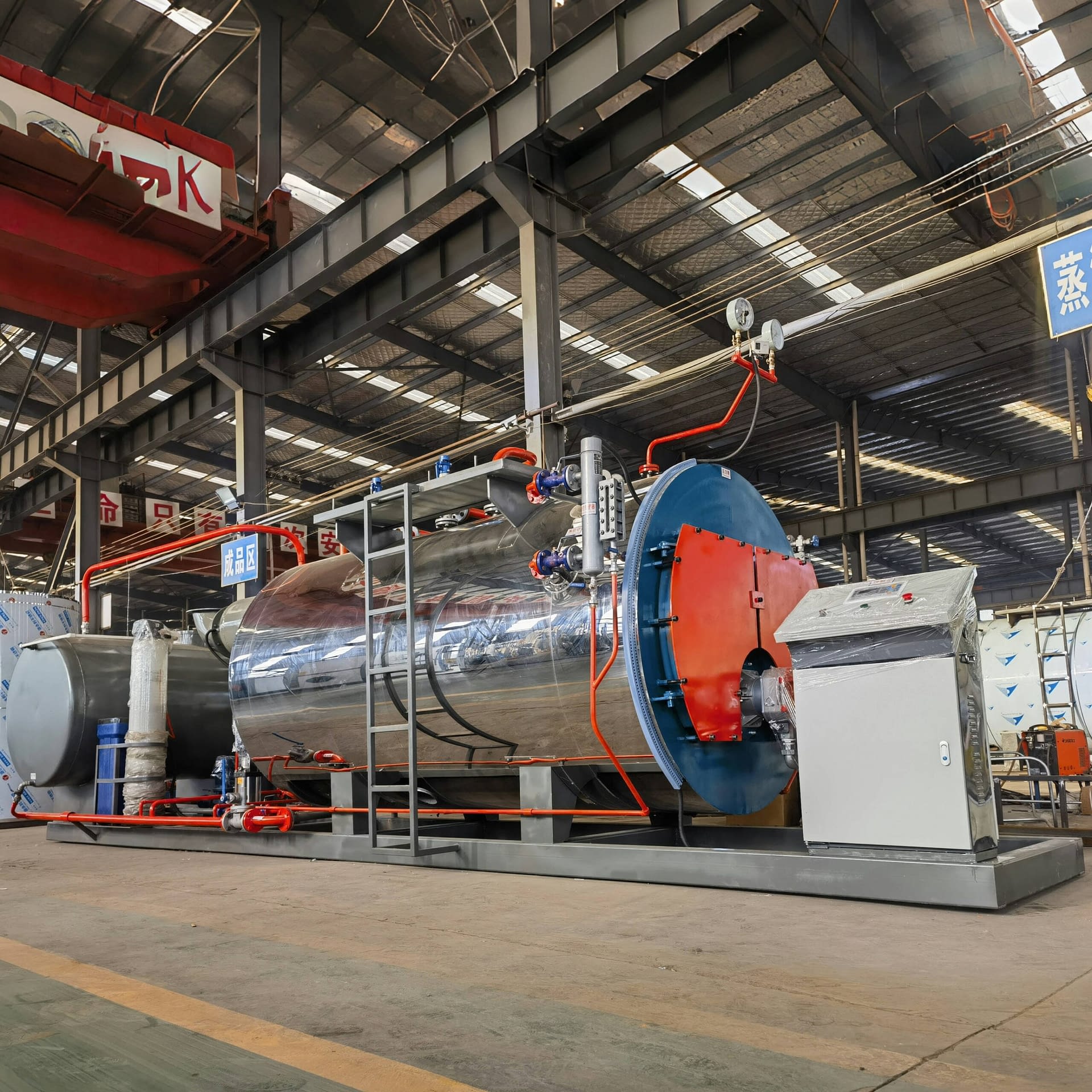
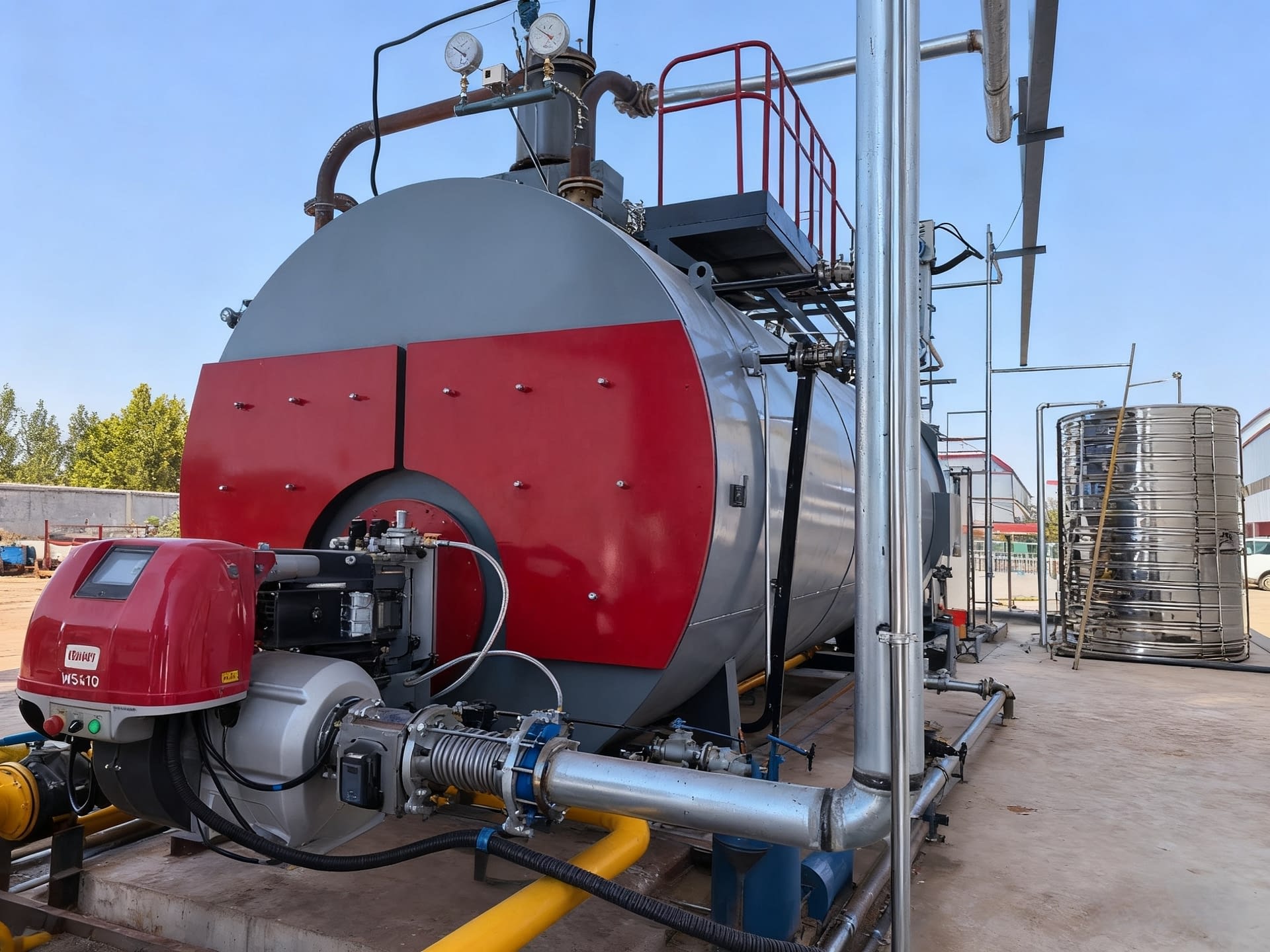
WNS series gas-fired steam boilers: Horizontal internal combustion three-pass fire-tube boilers, are currently the most mainstream choice for food factories. It features a compact structure, smooth operation and low noise.
Electric steam boiler: It has a small water volume and an extremely fast pressure rise speed (steam can be produced within a few minutes), making it highly suitable for dessert production lines with intermittent steam demands.

by XINDA XINDA No Comments

Steam generators are applied in textile printing and dyeing

Steam generators are one of the core thermal energy devices in the textile printing and dyeing industry. The stable steam they generate can meet the key demands of heating, humidification, and setting in various printing and dyeing processes, significantly enhancing production efficiency and product quality.
The scouring, bleaching and dyeing of textile fabrics all require high-temperature environments to ensure that chemical reactions proceed fully. The saturated steam provided by the steam generator can precisely heat the solutions in the dyeing VAT and scouring tank to the required process temperature (usually 90-130℃), while ensuring uniform and stable temperature, avoiding problems such as uneven dyeing and local color fading of the fabric. Compared with traditional boilers, steam generators heat up quickly, control temperature precisely, and can also reduce the discharge of wastewater pollutants.
After the fabric is printed, it needs to be fixed at high temperature to prevent the pattern from peeling off or fading. The steam generated by the steam generator can be introduced into the steamer to create a high-temperature and high-humidity color-fixing environment for the fabric, allowing the dye to fully penetrate into the interior of the fibers and enhancing the firmness and vividness of the prints. The small steam generator can also be adapted to small-batch printing production lines, offering higher flexibility.
If the air in the textile printing and dyeing workshop is too dry, the fabric is prone to static electricity and pilling, which will affect production and quality. The low-pressure steam produced by the steam generator can be directly introduced into the workshop for humidification, maintaining an appropriate humidity level (generally 60% – 70%), reducing static interference, and enhancing the smoothness of fabric processing.