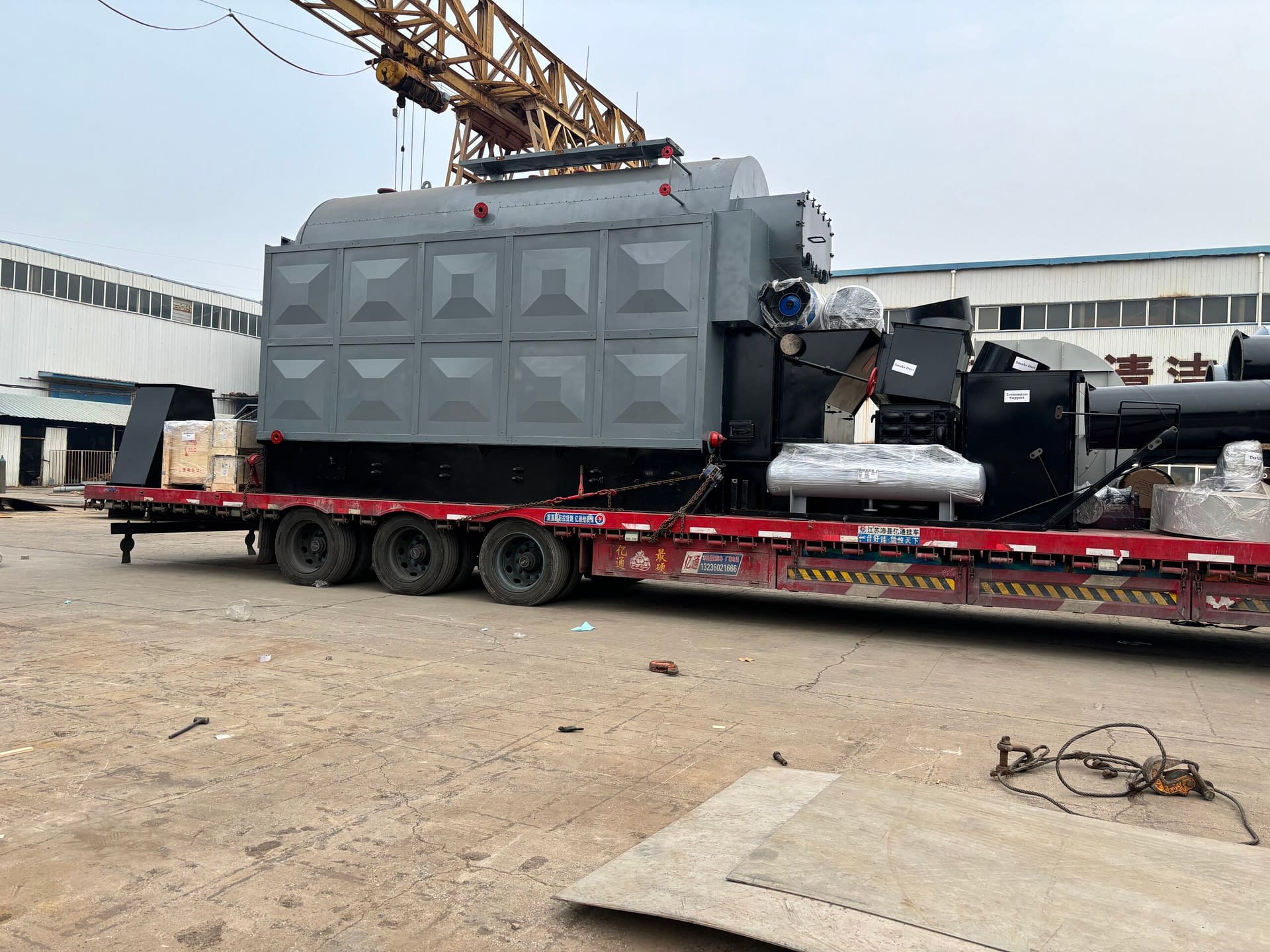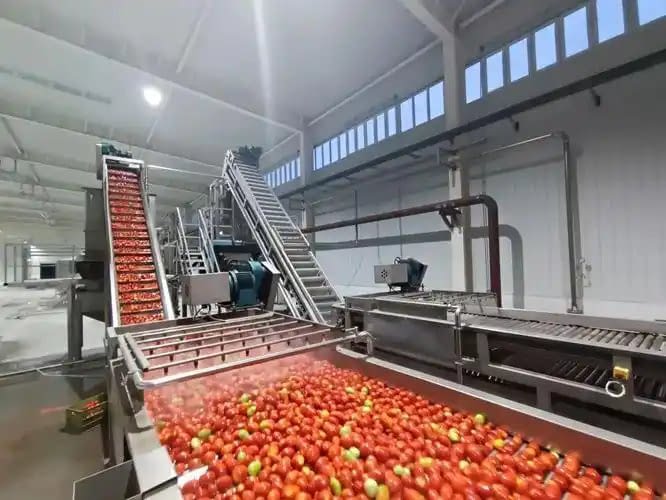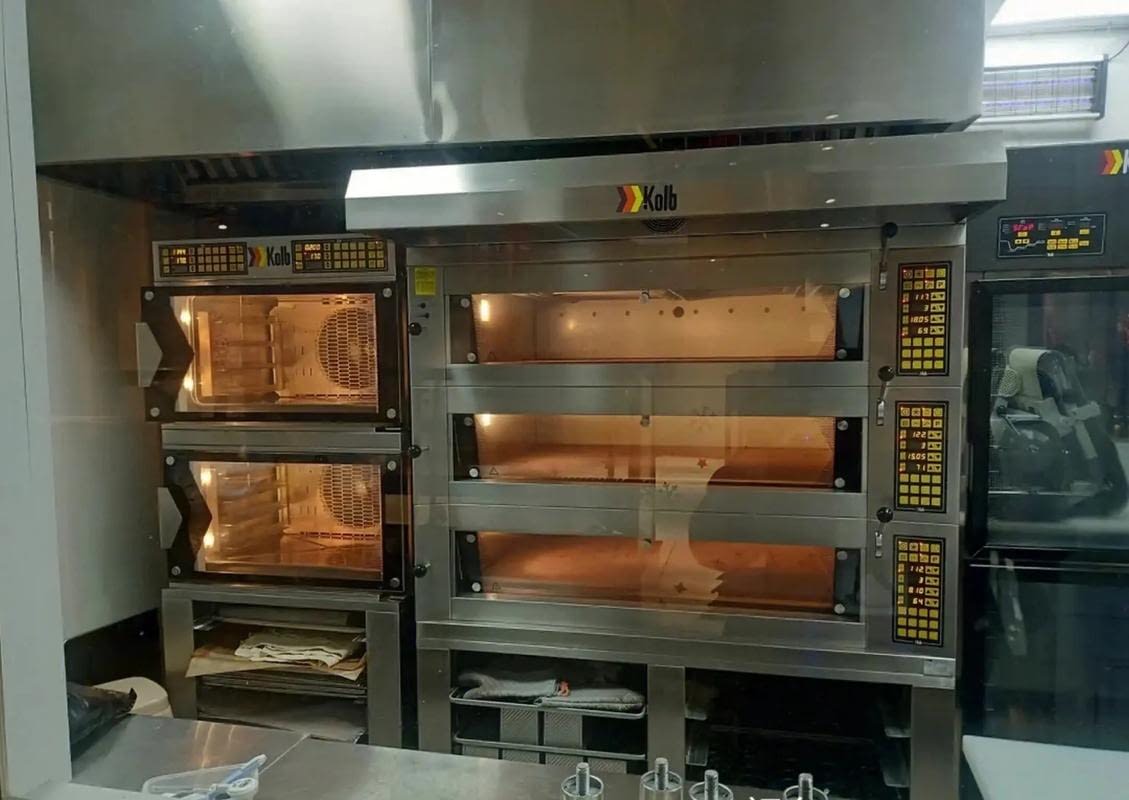
by XINDA XINDA No Comments

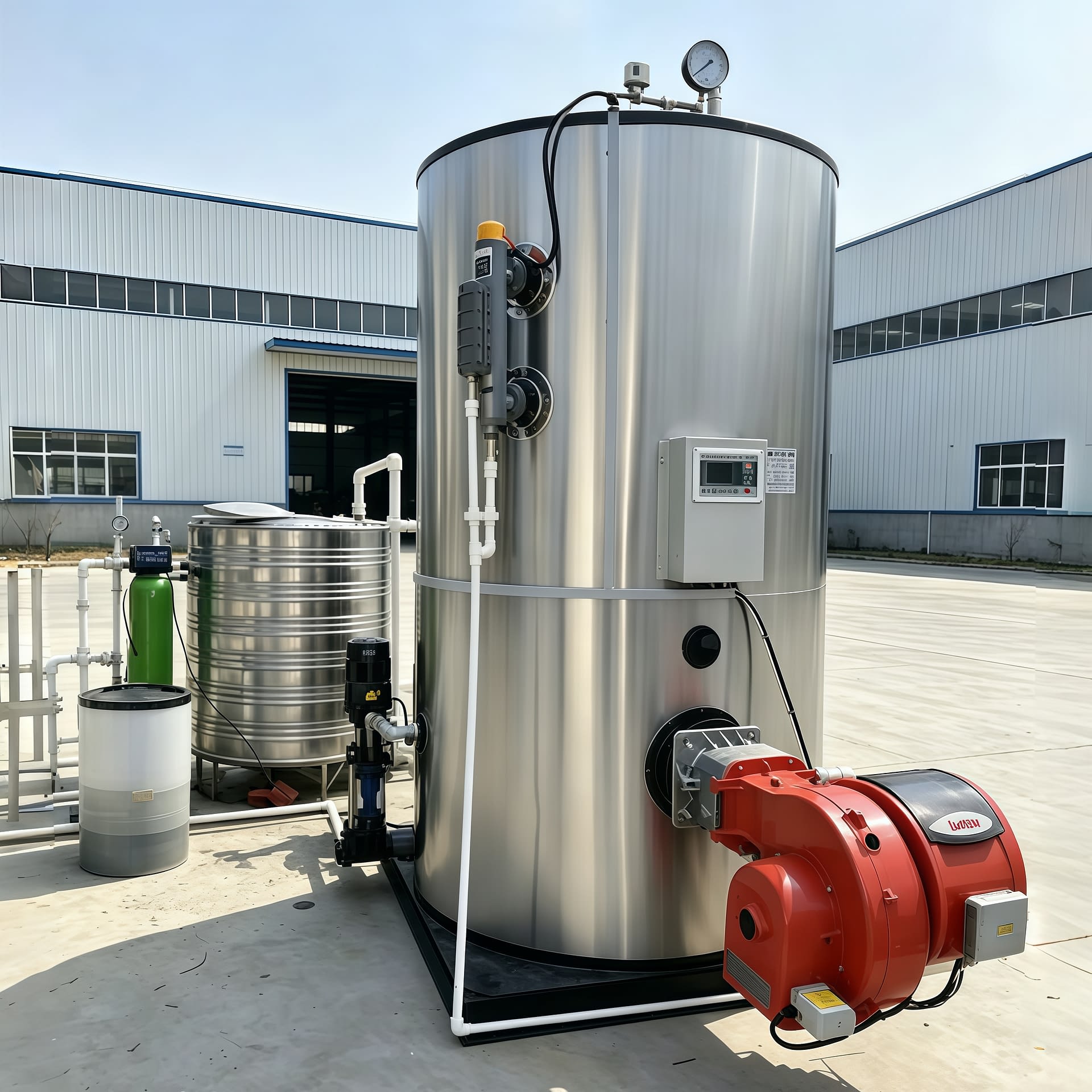
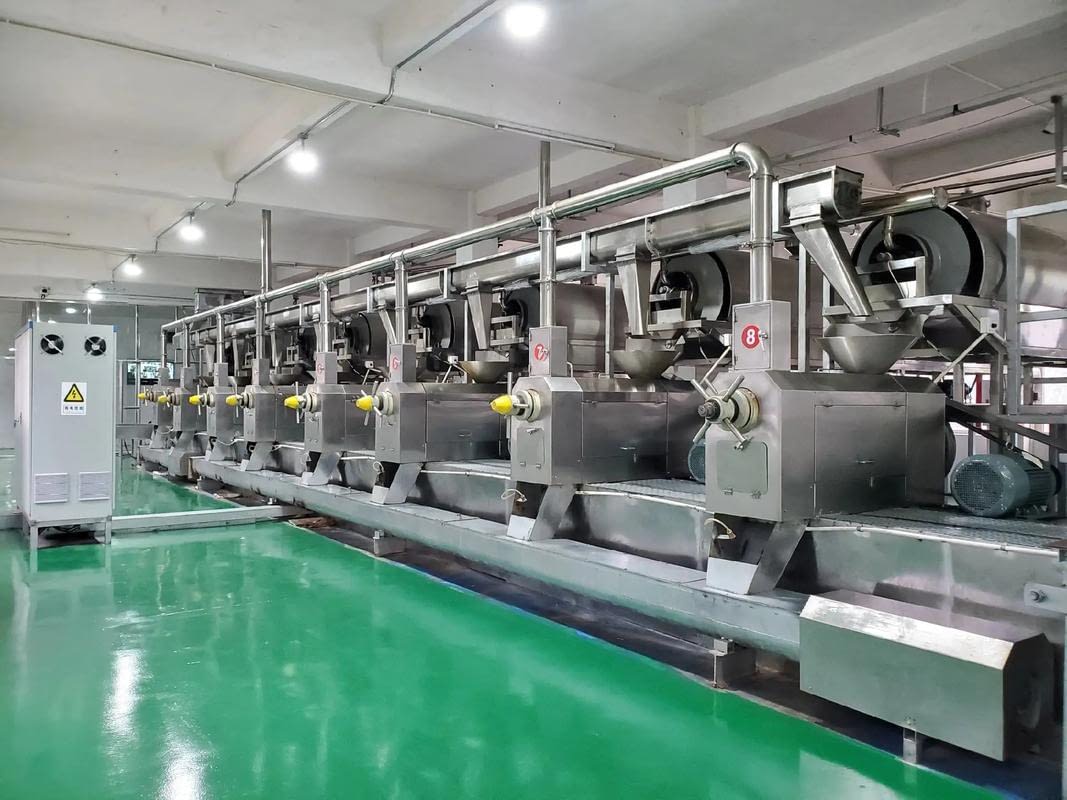
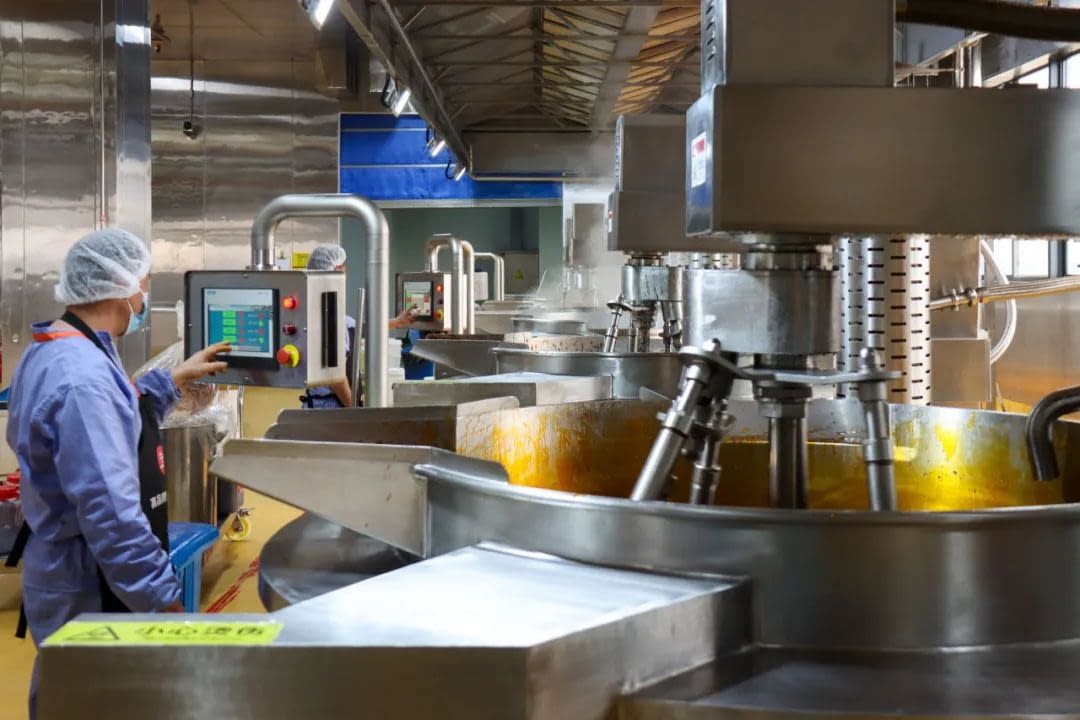
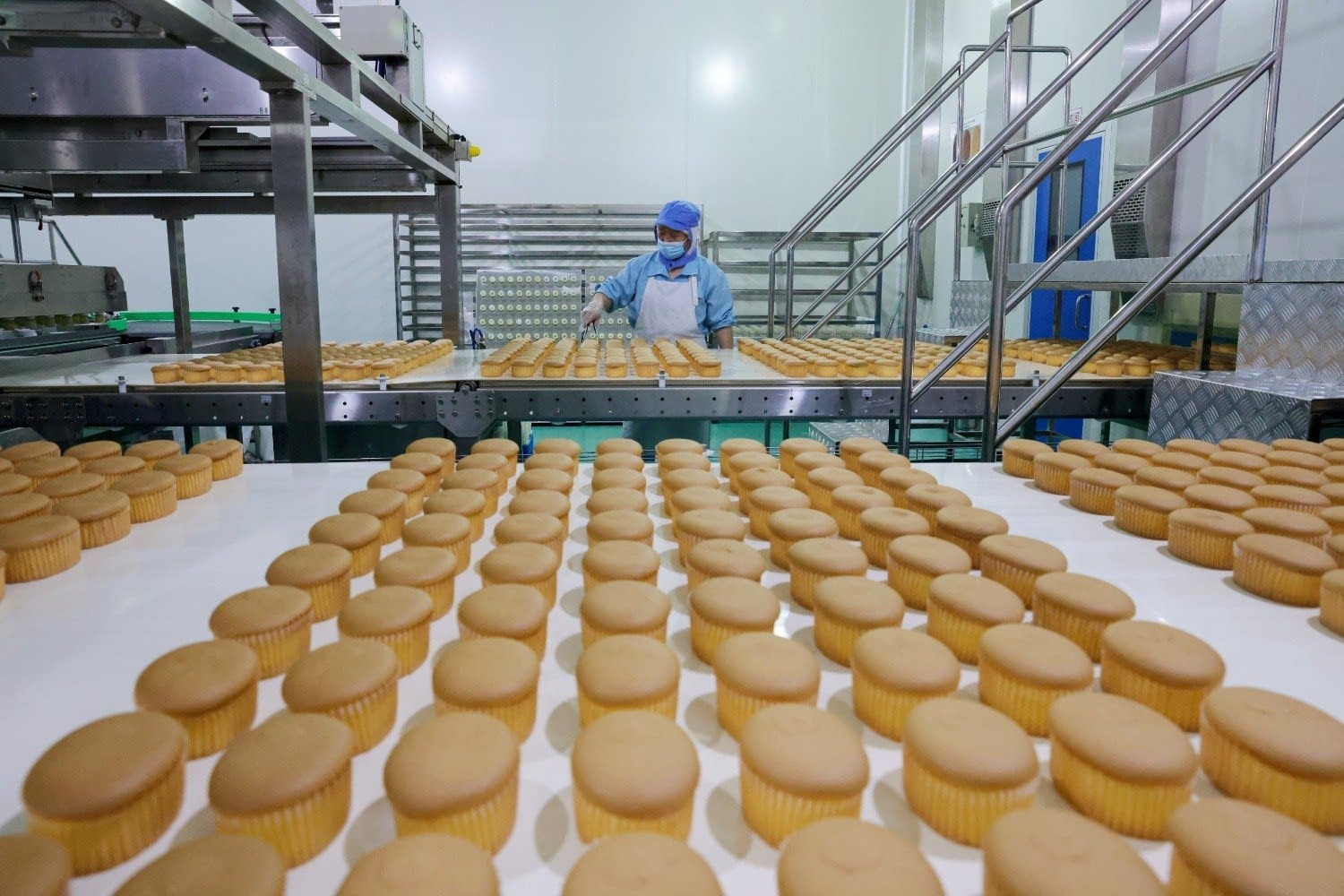
Steam boilers are used in soap factories

1.The core process is essential and determines the success or failure of the saponification reaction
The most crucial process in soap production is the saponification reaction. Oils and caustic soda must react fully under constant temperature heating conditions.
The steam boiler provides a stable heat source, which is uniformly heated through the jacket and coil of the reaction vessel to ensure complete saponification and balanced reaction of raw materials. Without steam heating, the reaction will be slow and saponification will be incomplete, resulting in problems such as soft soap, easy dissolution, substandard quality and serious waste of raw materials.

2. The entire production process is temperature-controlled to ensure stable product quality
The multiple processes of soap production rely on constant-temperature thermal energy:
Melt the oil, mix the raw materials and keep them warm to prevent solidification and caking.
The soap base is steamed and purified through salting out to separate glycerol from impurities.
Drying and dehydration of soap materials, cooling and blending, and constant-temperature mixing of flavorings and additives.
The steam temperature is gentle, the pressure is controllable, and the heat supply is uniform. It avoids local high temperatures burning the soap material and low temperatures causing production breaks, ensuring that the hardness, color, shelf life and usage feel of the soap are uniform and stable.

3. Continuous production core to enhance production efficiency
The soap factory belongs to the continuous processing industry. The steam boiler can stably supply steam for 24 hours, meeting the simultaneous heating needs of multiple reaction vessels, drying equipment and production lines.
It features fast heating speed and adjustable load, significantly shortening the melting, reaction and drying cycles of raw materials, reducing manual waiting and downtime. It is a key basic equipment for large-scale mass production and increasing production capacity.

4. Reduce production costs and save production energy consumption
Compared with electric heating, coal-fired earthen furnaces and thermal oil furnaces:
Industrial steam boilers have high thermal efficiency and low energy consumption, while gas/biomass steam boilers have even lower operating costs.
The heat energy transmission loss of steam is small, and it can be centrally heated and uniformly distributed. It is suitable for the common use of multiple processes throughout the factory, reducing the investment in multiple sets of heating equipment and compressing equipment and operation and maintenance costs.

5. Meet the requirements of hygiene and production safety
Steam can be used for high-temperature disinfection and sterilization of workshop equipment, pipelines and containers, preventing raw materials from getting moldy and bacteria from breeding, and meeting the hygiene production standards for daily chemical products.
Formal industrial steam boilers are equipped with pressure stabilizing, explosion-proof and protective devices, ensuring safe and controllable heating. Compared with open flame heating, there is no open flame and no risk of local overheating, avoiding the risk of flammability and explosiveness of oils and chemical raw materials.
6. Adapt to the comprehensive heating demands of the factory area
In addition to the production process, the boiler steam can also be used for auxiliary purposes such as workshop heating, pipeline heat tracing and anti-freezing, heating for sewage treatment, and factory area cleaning. It is multi-functional and can meet the heating needs of all scenarios in soap factories.

7. Comply with industry compliance production standards
In the environmental impact assessment and production standards of the daily chemical and soap manufacturing industries, it is a hard requirement to have a closed and clean heat source and environmentally friendly heating equipment.
Low-emission, automated operation, complete procedures and compliant acceptance of steam boilers that meet standards are necessary conditions for factories to legally start production, pass environmental protection inspections and operate for a long time.

by XINDA XINDA No Comments

Steam boilers are used for extracting flower essential oils

Without stable and clean steam, it is difficult to produce high-quality and high-yield flower essential oils. The steam boiler is the core power source of the entire essential oil distillation process, and its significance is mainly reflected in the following aspects:

1. Provide stable and controllable distillation temperature
Most flower essential oils are heat-sensitive substances. If the temperature is too high, they will decompose, change color and flavor. Boilers can precisely control the steam pressure and temperature to ensure that the distillation is gentle and uniform, avoid local overheating, and retain the floral fragrance and effective components to the greatest extent

2. Ensure the extraction efficiency and oil yield of essential oils
Steam has strong penetrating power and can penetrate deep into the interior of petals and stamens, “bringing out” the essential oil. Continuous and stable gas supply ensures that the distillation process is not interrupted, resulting in more complete oil extraction. Compared with other heating methods, the oil yield is significantly higher and more stable

3. Ensure that the essential oil is pure and odorless
The boiler produces clean steam, free of smoke, dust and fuel smell. It will not contaminate essential oils and will not affect the purity and color of the aroma. The purity of the extraction of high-value floral essential oils such as rose and jasmine is of vital importance

4. Achieve large-scale and industrialized production
The small-scale ones can only be used for experiments. Only xinda boilers can support batch processing, capable of simultaneously operating multiple distillation devices. They have high output and low cost, making them suitable for centralized flower harvesting and rapid processing within a short period of time

5. Safe and reliable, suitable for continuous operation
Compared with open flame heating, steam heating is more uniform, less likely to burn the pot or scorch the ingredients, and is safer. It features multiple protection systems such as pressure, water level and temperature, making it suitable for long-term distillation. It is easy to operate and has low labor costs, making it suitable for flower farmers and processing plants

6. Compatible with various flower extraction techniques
Steam distillation, water distillation and water distillation can all be used. The steam size can be adjusted to be compatible with rose, lavender, mugwort, osmanthus, jasmine, etc. It has strong versatility and one set of equipment can be used to produce various types of flower essential oils

In conclusion, the steam boiler determines the quality, oil yield, aroma purity and production scale of essential oils, and is an irreplaceable key equipment in the extraction of floral essential oils.

by XINDA XINDA No Comments

What is the general pressure of a steam boiler?

The common working pressures of steam boilers, classified by application and scenario, have a very clear range, directly providing you with the most practical range:

Low-pressure boiler (the most commonly used
Working pressure: 0.4 MPa to 1.25 MPa
It is widely used in: food, pharmaceuticals, washing, dyeing and printing, small-scale chemical industry, heating, and disinfection

Medium-pressure boiler
Working pressure: 1.6 MPa to 2.5 MPa
It is widely used in: medium-sized factories, papermaking, rubber, and some chemical processes

Medium and high-pressure boiler
Working pressure: 3.8 MPa to 5.3 MPa
It is mostly used for: small power stations and large-scale industrial centralized steam supply

Factories, canteens, hospitals and hotels: 0.7 MPa or 1.0 MPa are the most common
Slightly higher requirements: 1.25MPa, 1.6MPa
Very few civilian or small-scale industrial applications exceed 2.5 MPa
If you tell me the purpose (such as food sterilization, garment factories, heating, etc.), we can directly tell you the most suitable pressure.

by XINDA XINDA No Comments

What are the applicable scopes of biomass steam boilers and gas-fired steam boilers respectively

The following is a separate explanation of the applicable scope, suitable industries, and unsuitable scenarios of biomass steam boilers and gas-fired steam boilers, to facilitate your direct comparison and selection.
I. Application Scope of Gas-fired Steam Boilers
Suitable for: Users with high environmental protection requirements, small sites, a pursuit of worry-free and stable operation, and automated operation
Applicable industries
Food processing, beverages, brewing
Pharmaceutical and hospital disinfection
Schools, hotels, canteens, bath centers
Textile, printing and dyeing, packaging
Electronics, chemical engineering (with high cleanliness requirements)
Centralized heating for office buildings and residential areas
Applicable scenarios
Urban areas, industrial parks, and regions with strict environmental protection control
The site is small and there is no space to store fuel
It is hoped that it can operate fully automatically, with less manual labor and less maintenance
The steam load fluctuates greatly and requires frequent start-ups and shutdowns
The requirements for flue gas emissions are extremely high (dust-free, low nitrogen)
Not suitable
Areas not covered by natural gas pipelines
Pursue the ultimate low operating cost (gas fees are usually higher than biomass fees)

Ii. Application Scope of Biomass Steam Boilers
Suitable for: Users who have cheap fuel, sufficient space, can produce continuously for 24 hours, and pursue low operating costs
Applicable industries
Wood processing, furniture factory
Papermaking, feed, and grain processing
Rubber, building materials, ceramics
Wineries, starch factories, and biological fermentation
Enterprises with a large amount of agricultural and forestry waste (sawdust, rice husks, straw)
Applicable scenarios
Suburbs, towns and villages, and areas with relatively lenient environmental protection policies
The site is large and can be used to build material silos and store fuel
Continuous steam supply for 24 hours with stable load
There is a supply of cheap biomass pellets/wood chips nearby
I want to minimize the operating costs
Not suitable
The main urban area of the city and the areas strictly controlled for environmental protection
The site is small and there is no space for stacking
Low steam consumption and frequent starts and stops
I don’t want manual slag removal, ash cleaning or grate maintenance
Three. Quick distinction in one sentence
Gas boiler: urban area, clean, worry-free, stable, a bit more expensive
Biomass boilers: suburban, cost-effective, consume more fuel, take up more space, and require more maintenance

You can also contact us. I will tell you whether gas or biomass is more suitable and give you more precise suggestions.

by XINDA XINDA No Comments

Commercial and household dual-purpose hot water boiler

A commercial and household dual-purpose hot water boiler is a device that can not only meet the daily hot water needs of households but also be applied in commercial places such as hotels and office buildings to provide hot water or heating. Here is a detailed introduction about it:
Common types
Gas-fired hot water boilers: With mature technology, a wide range of thermal power, using natural gas, liquefied gas and other fuels, they have high combustion efficiency and relatively low pollution. They are currently the most widely used type.
Electric hot water boilers: They feature quick start-up, flexible adjustment and zero emissions, making them suitable for situations with abundant power supply. However, their operating costs are relatively high.
Fuel oil hot water boiler: It uses fuel oil as fuel, has a relatively high thermal efficiency, and can provide a large thermal power. However, the storage and use of fuel oil require certain safety measures and cause certain pollution to the environment.
Biomass hot water boilers: They use biomass, wood and other energy sources as fuel. Their prices are much lower than those of electricity, natural gas and diesel. They are very cost-effective for long-term use. However, they require a dedicated storage room and take up a large area.

Performance characteristics
High thermal efficiency: The thermal efficiency can reach over 95%, effectively saving fuel costs.
High level of automation control: Modern dual-purpose hot water boilers are generally equipped with intelligent control systems, which can precisely adjust the combustion or heating power according to actual needs, achieving on-demand heating and facilitating operation and monitoring.
The safety protection devices are complete: usually equipped with over-temperature protection, over-pressure protection, flameout protection, water shortage protection and other devices to ensure safe and reliable operation.
Stable hot water production rate: The hot water production rate varies among different models of boilers, and can be selected based on actual water usage requirements.

Key points for selection
Clarify the requirements: It is necessary to consider the purpose of the hot water, the required temperature, the water consumption during peak hours, and the energy supply conditions of the usage site, etc., to initially screen the type of boiler and determine the appropriate power.
Consider performance indicators: Pay attention to thermal power and output capacity, heating speed and response time, level of automation control, materials and processes, etc., to ensure that the boiler can meet the usage requirements and operate stably for a long time.
Pay attention to energy efficiency: In addition to thermal efficiency, it is also necessary to examine partial load efficiency and system integration efficiency, and select energy-efficient products to reduce long-term operating costs.
Ensure safety and reliability: Confirm that the design and manufacture of the boiler comply with relevant standards, have strict quality inspection procedures and complete safety protection devices, and at the same time, the manufacturer or supplier can provide reliable installation guidance and after-sales service.

by XINDA XINDA No Comments

Characteristics of the three-pass structure of steam boilers

I. What is a three-pass boiler
The three-pass mainly refers to the three round-trip processes in which the flue gas flows inside the boiler and scour the heated surface.
The vast majority are used in fire-tube/shell-type oil and gas-fired steam boilers.

The basic process of the second and third return structures
The first return trip
The flue gas flows directly backward from the combustion chamber (furnace liner)
It mainly relies on radiation heat exchange, with the highest temperature and the strongest heat exchange.
The second trip
The flue gas turns through the front flue box and enters the flue pipe to flow forward, mainly through convective heat transfer.
The third round trip
The flue gas turns again after passing through the rear smoke box and enters another set of smoke pipes to flow backward, further absorbing the residual heat, and is finally discharged through the chimney.

Iii. Core Characteristics of the Three-Pass Structure
It has a large heating area and high thermal efficiency
The flue gas travels through three stages to extend the heat exchange path. It fully absorbs heat, has a low flue gas temperature, and the thermal efficiency is usually ≥90%
2. Compact structure and small volume
Under the same evaporation capacity, it is smaller in volume and occupies less space than single-pass and double-pass boilers, making it suitable for occasions with limited machine room space
3. Sufficient heat exchange and good energy-saving effect
High-temperature flue gas repeatedly scour the heating surface, reducing heat waste and lowering fuel consumption
4. Stable operation and good load adaptability
The furnace has a large volume and ensures complete combustion. The steam pressure and water level fluctuations are small
5. The flue gas flow is reasonable and the resistance is moderate
The smoke pipes are neatly arranged and the airflow is smooth. The power consumption of the fan is reasonable and it is not easy to accumulate dust and get clogged
6. Good heat preservation and low heat loss
The pot shell is wrapped with a high-density insulation layer, which has a low surface temperature and small heat dissipation loss

Four. Disadvantages of three-pass boilers
There are a large number of smoke pipes, and it is rather difficult to clean them after they are scaled
The flue gas flow is long, and the requirements for the induced draft/forced draft system are slightly higher
The internal smoke box is prone to local wear and dust accumulation at the turning points

V. Scope of Application
Small and medium-sized oil and gas-fired steam boilers
The evaporation rate is generally 0.5t/h to 20t/h
It is widely used in factory production, hospitals, hotels, schools, and heating and heat supply

Vi. Summary
Three-pass boilers achieve large heating surfaces, high efficiency, compact structure, energy conservation and stability through three round trips of flue gas heat exchange. They are currently the mainstream structure for small and medium-sized gas/oil-fired steam boilers.

by XINDA XINDA No Comments

What factors are related to the fuel consumption of biomass steam boilers?

The fuel consumption of a biomass steam boiler is essentially the heat required for steam production divided by (fuel calorific value × boiler thermal efficiency). The consumption is influenced by four major factors: the boiler itself, the fuel, the operating conditions, and the environment. The specific details are as follows:

1.Fuel itself factors (with the greatest impact
Lower calorific value of fuel
The lower the calorific value, the more fuel is consumed to achieve the same amount of heat.
Moisture content
Water absorbs heat and evaporates, reducing the effective calorific value and increasing the heat loss of flue gas. The higher the moisture content, the greater the consumption.
Ash and impurities
High ash content will reduce combustion efficiency and increase heat loss from incomplete combustion.
Fuel molding and particle size
Uniform particles, good density, and more complete combustion; Loose materials and powder materials are prone to incomplete combustion of fly ash.

2.Boiler Body and Configuration Factors
Rated thermal efficiency of the boiler
The higher the design efficiency, the less material is consumed under the same steam production volume.
Grate/Combustion method
The burnout rates of circulating fluidized beds, reciprocating grates, chain grates and hand-fired furnaces vary significantly.
Thermal insulation performance
Poor heat preservation leads to significant heat loss and increased power consumption.
The heating surface is covered with scale and ash
Heat exchange deteriorates, and more fuel needs to be burned to reach the rated steam parameters.
3. Operating Conditions Factors
Actual load rate
When operating at low loads, the efficiency of boilers usually decreases and the material consumption per unit of steam increases.
Steam pressure and temperature
The higher the pressure and temperature, the greater the latent heat of vaporization and superheat, and the more material is consumed.
Feed water temperature
The water supply temperature is low, and more heat is needed to heat it to the saturation temperature.
Combustion adjustment
Unreasonable air distribution and low furnace temperature can lead to incomplete combustion and increased consumption.
Pollutant discharge rate
Continuous and regular sewage discharge take away heat. The higher the sewage discharge rate, the more materials are consumed.
4.Environmental and Auxiliary System Factors
Ambient temperature, altitude
Heat dissipation is significant in low-temperature environments. At high altitudes, the air is thin, and combustion and heat exchange deteriorate.
Matching of induced draft and forced draft
Excessive air volume increases the heat loss of flue gas exhaust, while insufficient air volume leads to incomplete combustion.
Condensate water recovery and utilization rate
The more condensate water is recovered, the higher the feed water temperature and the lower the fuel consumption.
V. Summary (Key Ranking
Impact on consumption from largest to smallest:
Fuel calorific value and moisture content > Boiler thermal efficiency > Actual Load and operation adjustment > Blowdown and condensate recovery > Environment and insulation

by XINDA XINDA No Comments

How is the tonnage of steam boilers classified

The tonnage of a steam boiler is actually the rated evaporation capacity per hour, with the unit being tons per hour (t/h), indicating how many tons of water can be converted into saturated steam in one hour.

1.How to Classify Tonnage (The Most Commonly Used Standard)
In the industry, it is generally divided into four grades based on evaporation volume:
Small boiler
0.1 to 1 ton per hour
Usage: Small canteens, laundries, small-scale food processing, laboratories, small-scale disinfection
Medium-sized boiler
2 to 10 tons per hour
Usage: Garment factories, food factories, pharmaceutical factories, small chemical plants, and heating in residential areas
Large boiler
10 to 35 tons per hour
Application: Medium-sized factories, centralized heating, papermaking, building materials
Super-large boiler
More than 35 tons per hour
Application: Thermal power plants, large-scale chemical plants, large industrial parks

2.What you care about most: How to choose tonnage?
Simple formula (estimation) :
Required tonnage ≈ Total steam consumption of steam-using equipment ÷ 0.8 (Safety factor)
Common scenario references
One ton of steam ≈ provides 600,000 calories of heat
A 1-ton boiler can provide heating for 6,000 to 8,000 square meters of building area
Food steaming: Generally 0.5 to 2 tons
Garment factory: Generally 1 to 4 tons

3.Tonnage ≠ Weight! Don’t get confused.
Many people misunderstand
It’s not about how many tons the boiler itself weighs
It is how many tons of steam are produced per hour
If you tell me what it is for, the size of the site and the pressure requirements, I can directly help you calculate how many tons of boiler should be used.

by XINDA XINDA No Comments

Water Softener

The core working principle of a water softener is that when hard water passes through the sodium ion exchange resin inside the device, the calcium and magnesium ions that form scale in the water will be exchanged with the sodium ions on the resin. The calcium and magnesium ions are adsorbed by the resin, thus turning the effluent water into soft water without scale. When the resin reaches adsorption saturation, the machine will automatically draw in saturated brine to regenerate and flush the resin. The high-concentration brine is used to replace the calcium and magnesium ions on the resin and discharge them with the wastewater, allowing the resin to re-adsorb sodium ions and restore its softening capacity. This cycle ensures continuous water supply.

Performance advantage
Thorough scale removal: It can reduce hardness to below 0.03mmol/L, with almost no scale.
Stable effluent: The resin and control program are mature, and the water quality fluctuates little.
High automation: The fully automatic model can automatically soften, regenerate and backwash, and only requires regular salt addition.
Long service life: The tank body is mostly made of fiberglass reinforced plastic/stainless steel, which is corrosion-resistant. The resin can be used for 3 to 5 years.
Protect equipment: Water heaters, washing machines and dishwashers from scaling, extend their lifespan and reduce energy consumption.
Protect pipelines: Reduce scaling and clogging, and lower maintenance costs.
Low energy consumption: Only part of the electricity is controlled, with almost no additional energy consumption.
Small footprint: The tank is compact and can be installed in a cabinet/equipment room.

by XINDA XINDA No Comments

The differences in the working principles between water-tube boilers and fire-tube boilers

The core difference between them lies in one sentence:

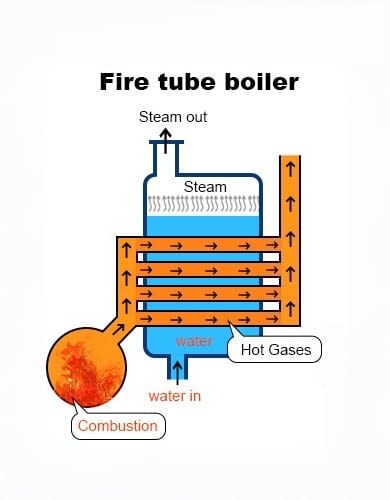
Fire-tube boiler: Fire is inside the tubes and water is outside the tubes.

Water-tube boiler: Water is inside the tubes and fire is outside the tubes.

The working principle of the fire-tube boiler:
The flue gas flows inside the pipes, while water surrounds the pipes in the pot shell. The fuel burns in the furnace, generating high-temperature flue gas. Smoke passes through the interiors of one steel pipe after another. There is a large amount of water outside the steel pipe.
Heat is transferred from the flue gas to the pot water through the pipe wall, heating the water, causing it to boil and generating steam.
The features of the fire-tube boiler: The shell is a large container with abundant water and a large steam drum volume. The heating surfaces are just those few smoke tubes.

The working principle of water-tube boilers
Water is inside the pipe, while flue gas scour the pipe outside. Water first enters the heating surface composed of thin tubes (water-cooled wall, convection tube bundle). High-temperature flue gas flows outside the pipes in the furnace and flue, scouring the pipe walls. Heat is transferred from outside the pipe to the water inside. Water is heated and vaporized inside the tubes, turning into a steam-water mixture, which then returns to the drum to separate the steam.
The features of water-tube boilers
All the water is in the thin tubes, and the drum only serves the separation of steam and water. The heating surface can be arranged in many places, featuring high thermal efficiency and strong pressure resistance.