Wineries choose steam boilers mainly because steam has advantages such as precise temperature control, uniform heating, easy adjustment, cleanliness and hygiene, and safety and reliability in the wine production process. The following are the specific reasons:
1. Fermentation temperature control
Wine fermentation requires strict temperature control (red wine is generally 25-30°C, and white wine is 15-20°C). Steam passing through the heat exchanger can stably and precisely regulate the temperature of the fermentation tank, avoiding local overheating or temperature fluctuations.
2. Sterilization and hygiene requirements
Steam is a natural bactericide and can be used to sterilize equipment, pipelines and fermentation tanks, ensuring that wine is not contaminated by miscellaneous bacteria.
3. Uniform heating
Steam heating is carried out through a heat exchanger and does not directly contact the wine body, avoiding changes in wine quality caused by local high temperatures. The heating process is more gentle and uniform.
Easy to adjust and automate
The steam pressure and flow rate can be precisely controlled, facilitating linkage with an automated system to achieve automatic adjustment of fermentation temperature and sterilization temperature.
4. Safe and reliable
The steam boiler technology is mature, operates stably, and the steam itself does not burn or explode, making it safe to use.
5. High energy efficiency
Steam boilers have high thermal efficiency and can quickly meet the heating demands during the brewing process, reducing energy consumption.
6. Versatility
Steam is not only used for temperature control and sterilization during fermentation, but also for multiple processes such as distillation of grape skins and residue, hot water supply, and heating in workshops.
The importance of steam boilers in tomato sauce factories
Steam boilers play a core and irreplaceable role in the production process of tomato sauce factories. Their significance runs through the entire process from raw material pretreatment to finished product packaging, directly affecting product quality, production efficiency and energy consumption costs.
Steam can be used to heat the cleaning water, enhancing the cleaning effect and removing pesticide residues and soil impurities on the surface of tomatoes. Meanwhile, tomatoes that have been heated are more prone to breakage, which can enhance the efficiency and yield of subsequent pulping. Tomatoes contain pectinase, polyphenol oxidase and other enzymes, which can cause tomato sauce to brown, reduce viscosity and affect quality. Rapid preheating and enzyme inactivation of crushed tomatoes through steam heating can effectively inhibit the activity of enzymes, maintaining the color and taste of tomato sauce.
The high-temperature steam produced by the steam boiler is the main heating medium for the evaporator. Through heat exchange, the heat of the steam is transferred to the tomato pulp, causing the water to vaporize and separate rapidly, achieving concentration. The stability of steam pressure and temperature directly determines the concentration efficiency and product uniformity. A stable steam supply can prevent over-concentration or under-concentration, ensuring that the concentration and viscosity of each batch of tomato sauce are consistent.
Tomato sauce is an acidic food, but it still needs to be strictly sterilized to kill pathogenic and spoilage bacteria and extend its shelf life. High-temperature sterilization process is usually adopted. Steam is used to heat the tomato sauce to the specified sterilization temperature (such as 90-100℃) and maintain it for a certain period of time to thoroughly kill microorganisms. Compared with other heating methods, steam sterilization has uniform temperature and strong controllability. It can ensure the sterilization effect while reducing the damage to the nutritional components and flavor of tomato sauce.
In conclusion, the steam boiler is the “power heart” of a tomato sauce factory. Its performance and operational stability directly affect product quality, production continuity, and the economic benefits of the enterprise.
Some suggestions for choosing boilers in dessert factories
Due to the high requirements for temperature control accuracy in dessert production and its sensitivity to hygiene conditions, the following points should be noted when selecting the type:
Give priority to gas-fired steam boilers
High thermal efficiency: The thermal efficiency of gas boilers can reach over 95%, making them more energy-efficient compared to coal-fired boilers.
Environmental protection: Clean combustion, no dust or waste residue, meeting the environmental protection and hygiene requirements of food factories.
Quick start and stop: Suitable for production with large load fluctuations (such as order-based production).
Electric heating steam generator (small/laboratory use) :
If it is a small workshop or laboratory research and development, electric heating boilers are very popular due to their small size, no need for inspection (for some models), and no pollution.
Temperature control accuracy
The cooking of desserts is highly sensitive to temperature (a difference of 1-2 degrees may result in a completely different taste). It is recommended to choose a boiler equipped with a PLC fully automatic control system, which can precisely adjust the steam pressure and thus accurately control the temperature.
Food-grade water quality requirements
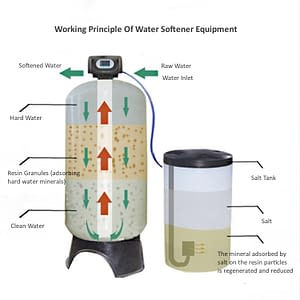
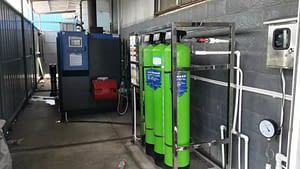
Boilers must be equipped with soft water devices. If the steam contains rust or impurities, it will seriously affect the color and taste of desserts (for example, causing jam to discolor).
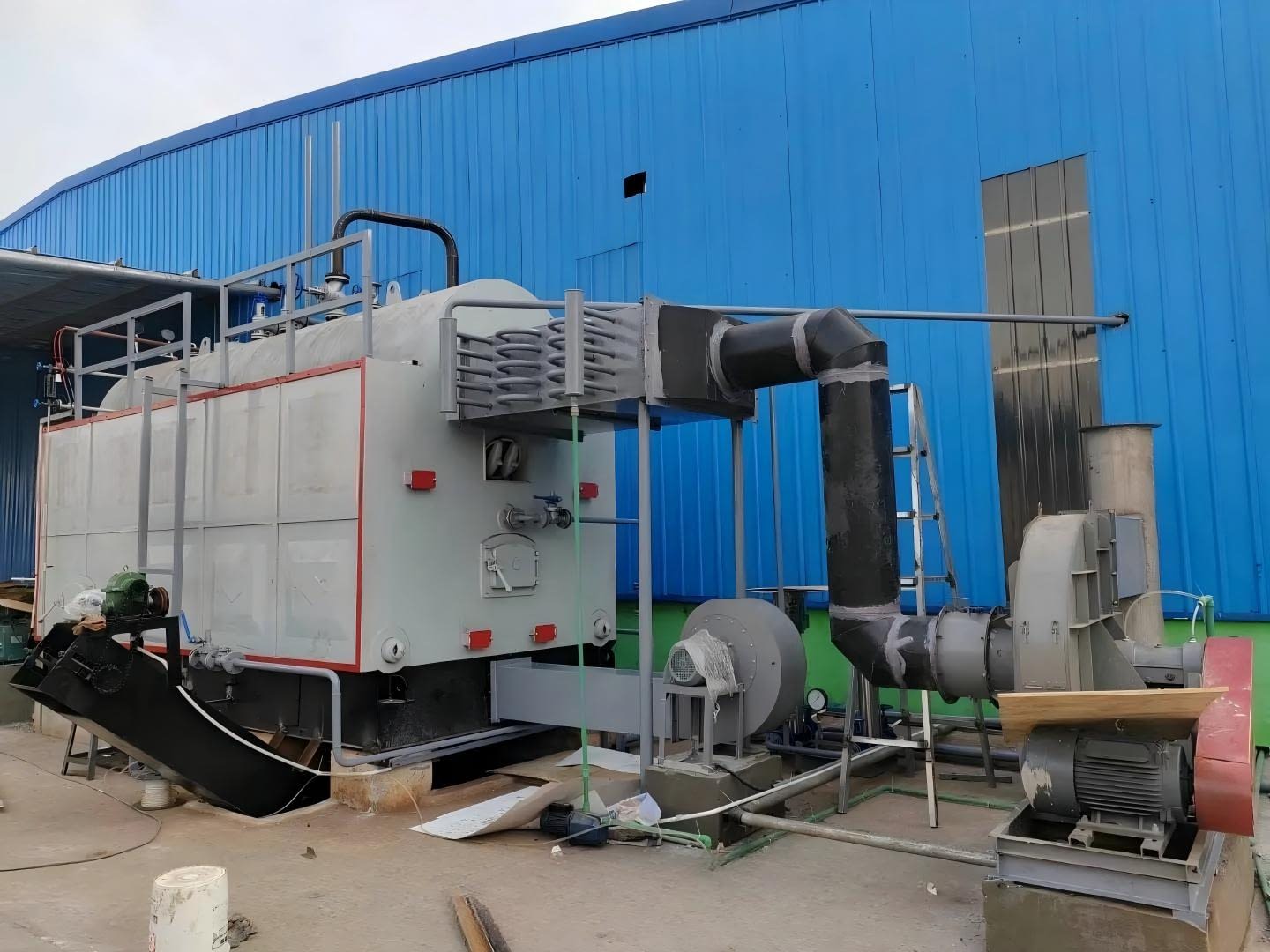
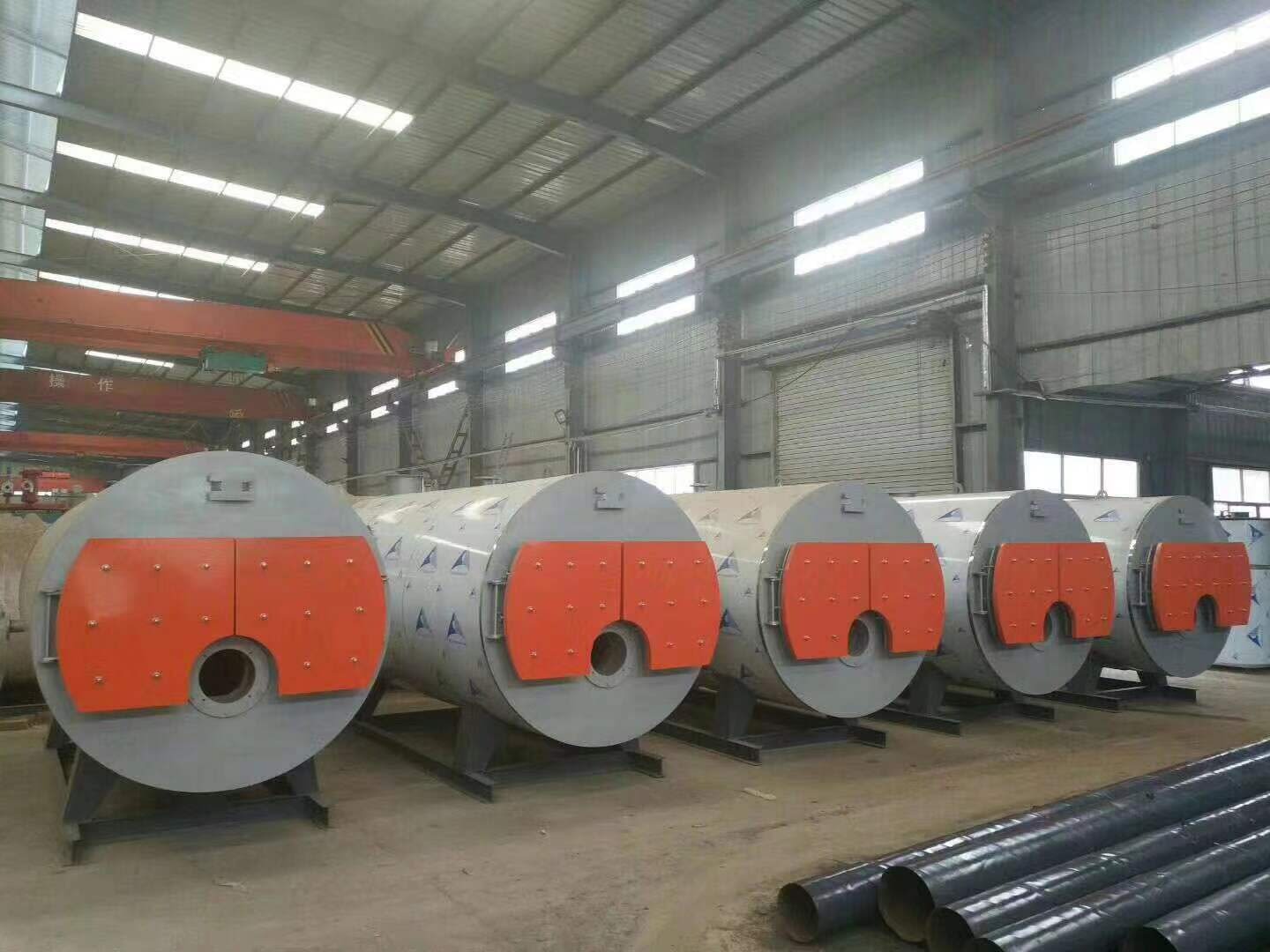
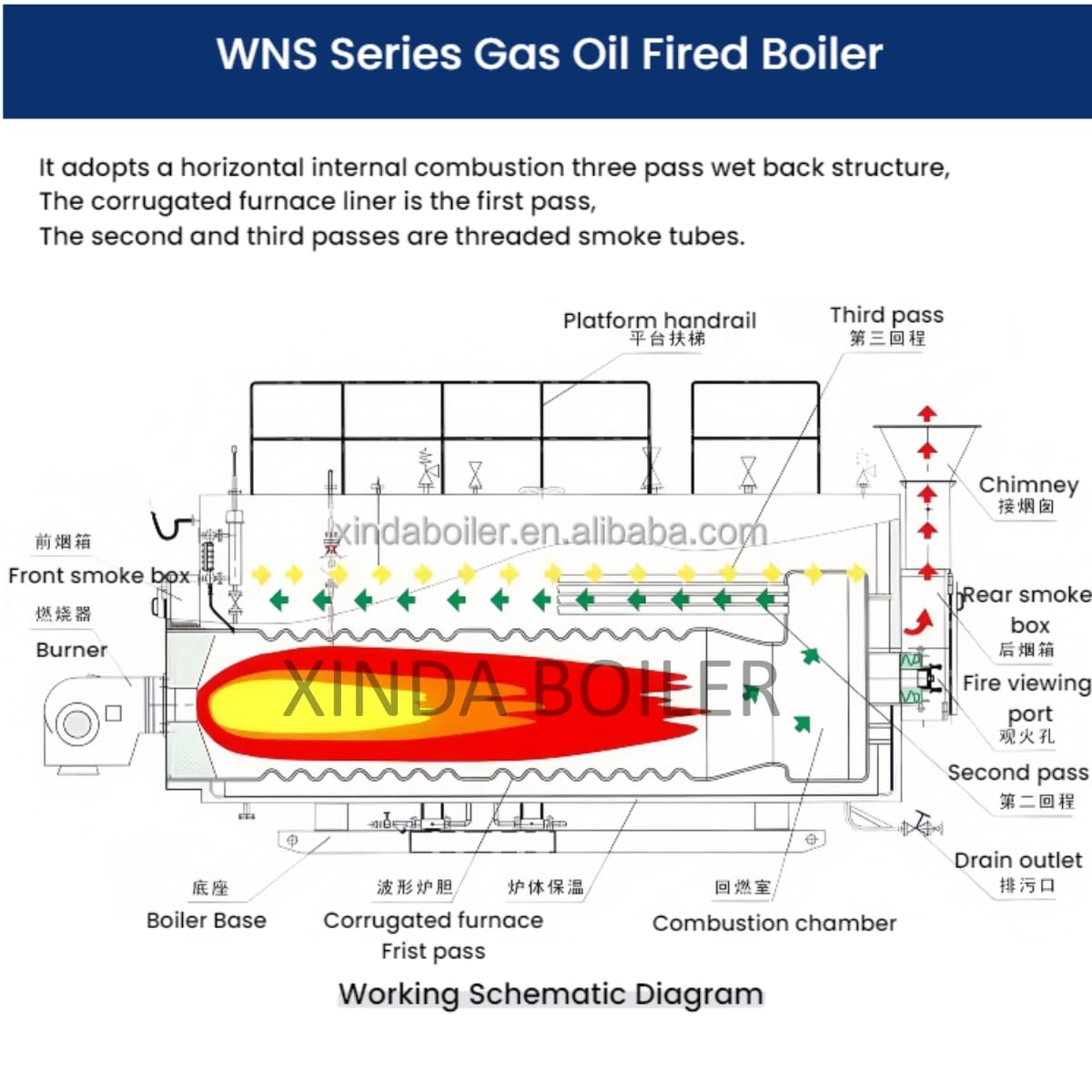
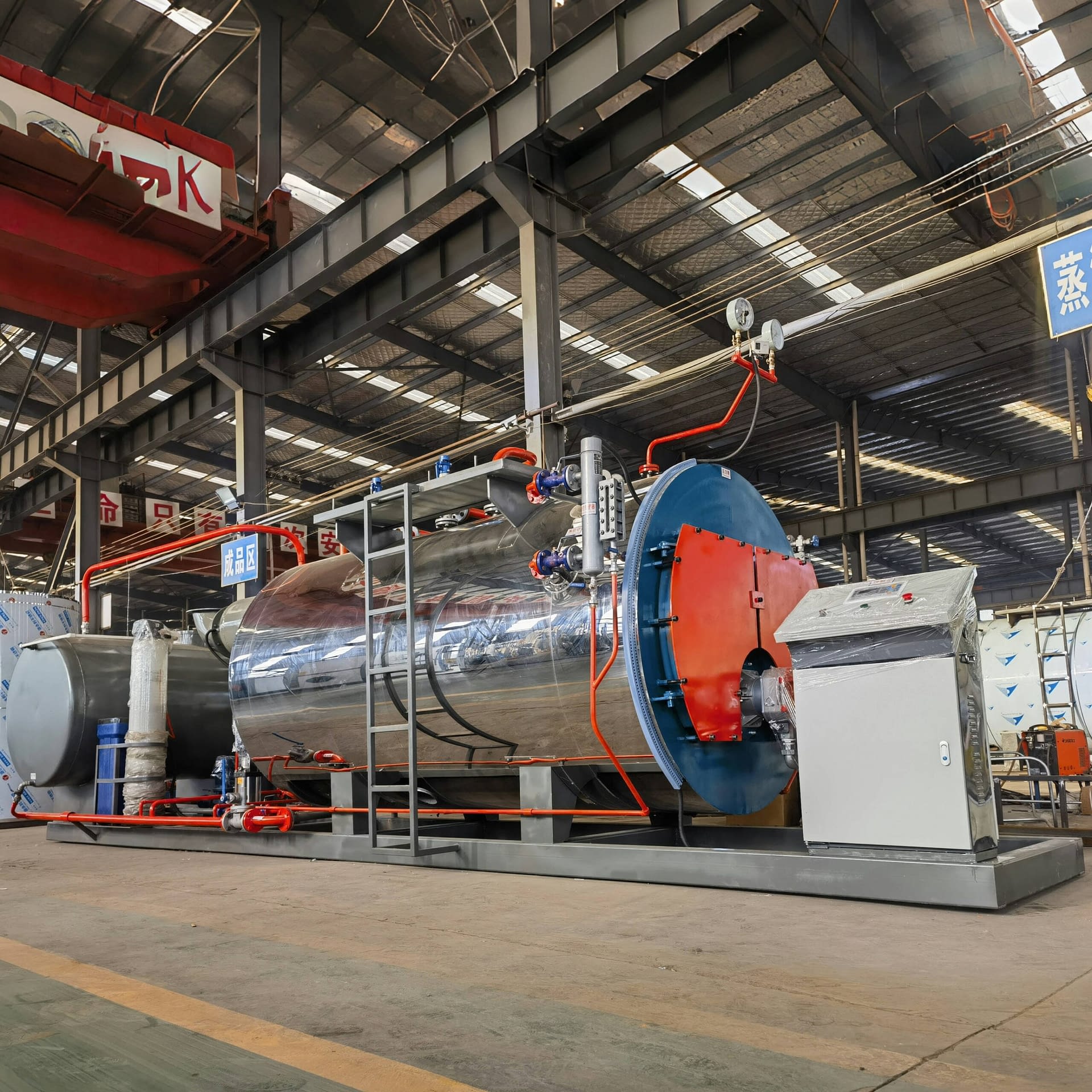
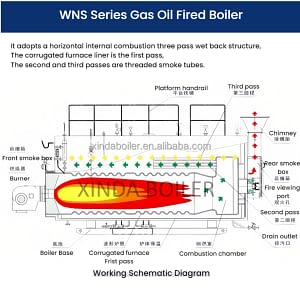
WNS series gas-fired steam boilers: Horizontal internal combustion three-pass fire-tube boilers, are currently the most mainstream choice for food factories. It features a compact structure, smooth operation and low noise.
Electric steam boiler: It has a small water volume and an extremely fast pressure rise speed (steam can be produced within a few minutes), making it highly suitable for dessert production lines with intermittent steam demands.
Steam generators are applied in textile printing and dyeing
Steam generators are one of the core thermal energy devices in the textile printing and dyeing industry. The stable steam they generate can meet the key demands of heating, humidification, and setting in various printing and dyeing processes, significantly enhancing production efficiency and product quality.
The scouring, bleaching and dyeing of textile fabrics all require high-temperature environments to ensure that chemical reactions proceed fully. The saturated steam provided by the steam generator can precisely heat the solutions in the dyeing VAT and scouring tank to the required process temperature (usually 90-130℃), while ensuring uniform and stable temperature, avoiding problems such as uneven dyeing and local color fading of the fabric. Compared with traditional boilers, steam generators heat up quickly, control temperature precisely, and can also reduce the discharge of wastewater pollutants.
After the fabric is printed, it needs to be fixed at high temperature to prevent the pattern from peeling off or fading. The steam generated by the steam generator can be introduced into the steamer to create a high-temperature and high-humidity color-fixing environment for the fabric, allowing the dye to fully penetrate into the interior of the fibers and enhancing the firmness and vividness of the prints. The small steam generator can also be adapted to small-batch printing production lines, offering higher flexibility.
If the air in the textile printing and dyeing workshop is too dry, the fabric is prone to static electricity and pilling, which will affect production and quality. The low-pressure steam produced by the steam generator can be directly introduced into the workshop for humidification, maintaining an appropriate humidity level (generally 60% – 70%), reducing static interference, and enhancing the smoothness of fabric processing.
The importance of steam boilers for hotel heating
The use of steam boilers for heating in hotels is a relatively traditional and mature solution, especially suitable for medium and large-sized hotels with multiple demands such as hot water supply and kitchen steam. Its core advantage lies in stable heat output and the ability to achieve multi-purpose energy supply.
The steam boiler heats the water in the furnace by burning fuel (such as natural gas, diesel, biomass, etc.) to vaporize it into high-temperature steam, and then provides heating for the hotel through the following two methods:
Indirect heating: Steam is delivered to the heat exchanger to heat the cold water in the circulating water system. The hot water is then dissipated through the hotel’s radiator, floor heating coil or fan coil to meet the heating needs of guest rooms, lobbies, corridors and other areas.
2. Direct heating: Steam is directly introduced into the heating coil of the air conditioning unit to heat the supply air flow. This is suitable for some Spaces with high requirements for heating speed, but attention should be paid to the recovery of condensate water and prevention of steam leakage.
Meanwhile, the steam generated by the steam boiler can also be used for heating domestic hot water in the hotel, steam for kitchen steam cabinets, and steam for ironing equipment in the laundry room, etc., achieving “one machine with multiple uses” and improving energy utilization efficiency.
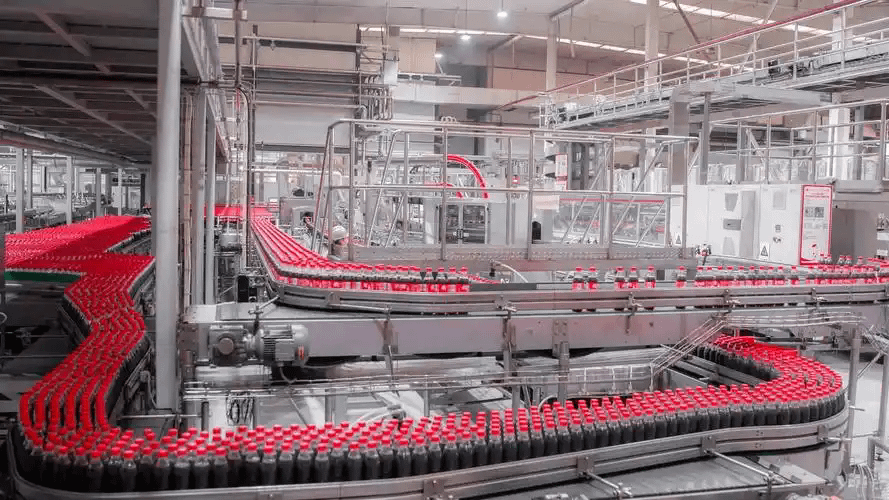
How do beverage factories choose the right steam boiler?
When a beverage factory selects an appropriate steam boiler, it needs to make a comprehensive judgment based on four core dimensions: production capacity demand, process characteristics, safety compliance, and cost control, in combination with its own production scale and product types (such as fruit juice, dairy products, carbonated beverages, etc.). The specific steps and key points are as follows:
1. Clarify core demands: Match production capacity with process parameters
Calculate the steam demand (in tonnage)
This is the primary basis for selection. It is necessary to calculate the steam consumption of all steam-using links, including sterilization, extraction, concentration, packaging and drying, etc.
For small and medium-sized juice factories with an average daily steam consumption of approximately 1 to 5 tons, boilers with a rated evaporation capacity of 5 tons per hour can be selected. Large-scale dairy factories need to select large-capacity boilers with a capacity of 5 to 10 tons per hour based on requirements such as sterilization and insulation of fermentation tanks.
Determine the steam quality (pressure, temperature)
The processes in beverage factories mostly require saturated steam, with pressures typically ranging from 0.7 to 1.6MPa (corresponding to temperatures of 170 to 204℃).
Pasteurization and raw material extraction: 0.7 to 1.0MPa is sufficient to meet the requirements.
Ultra-high temperature instantaneous sterilization (UHT) and vacuum concentration: High-pressure steam at 1.2 to 1.6MPa is required to ensure rapid heating and efficient dehydration.
CIP cleaning: The steam pressure must match the design parameters of the cleaning system to prevent excessive pressure from damaging the pipelines.
2.Select the type of boiler fuel: Balance cost and environmental protection
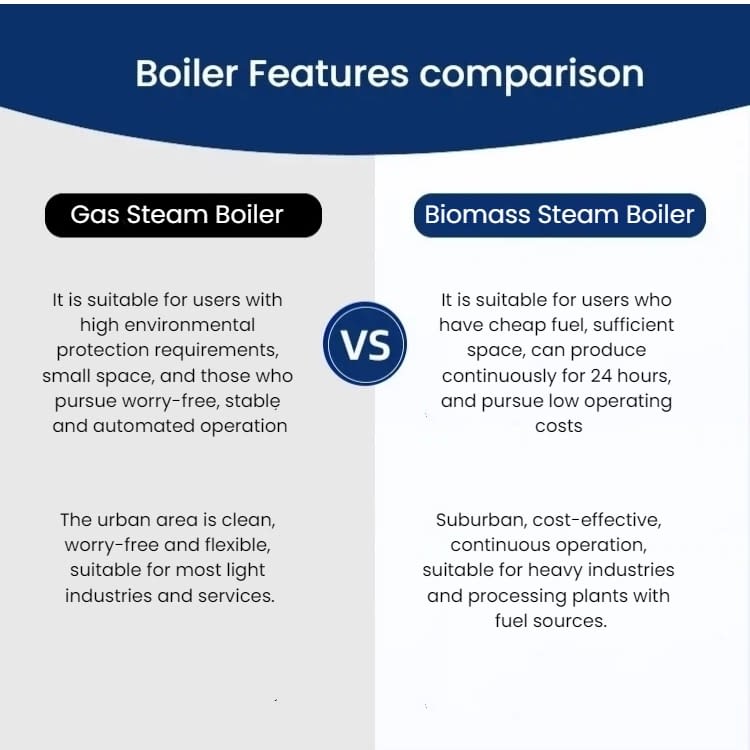
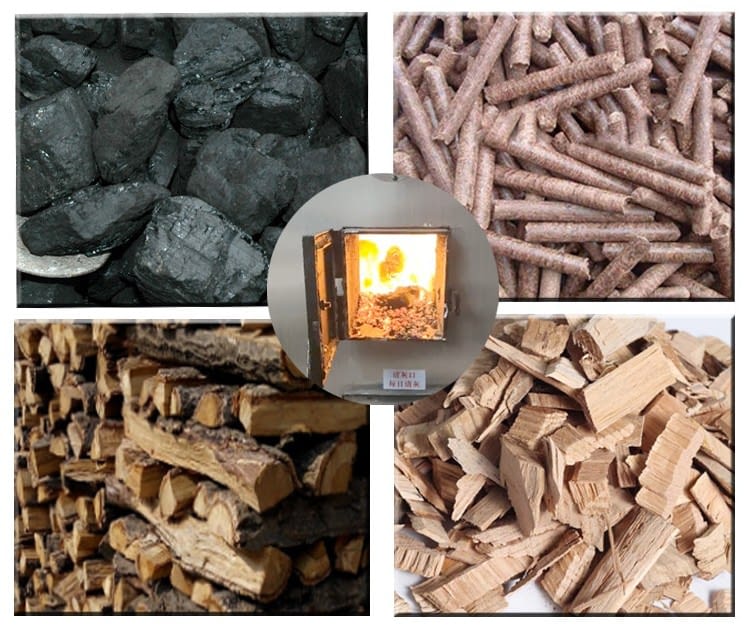
The type of fuel directly affects operating costs and the difficulty of meeting environmental protection standards. It is necessary to comprehensively select suitable fuels (such as biomass, natural gas, diesel, electricity, etc.) in combination with local energy policies and fuel prices.
3. Consider safety and compliance: Meet the requirements for food production
Safety performance priority
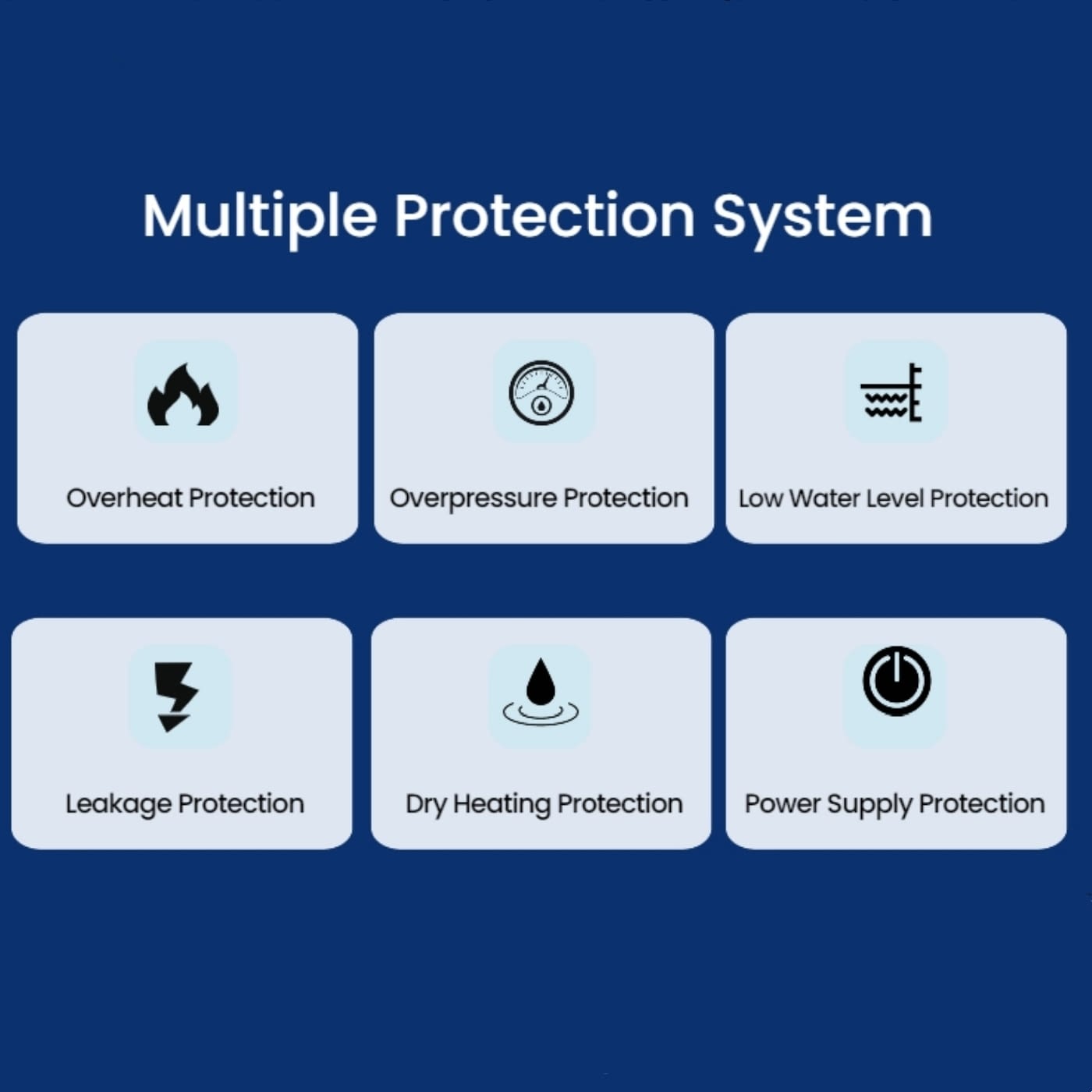
Choose products from regular manufacturers with a national special equipment manufacturing license. Boilers should be equipped with safety valves, pressure gauges, water level gauges, and overpressure/low water protection devices to prevent safety accidents such as explosions and dry burning.
Beverage factories are classified as food production sites. The sealing performance and leak-proof design of boilers must meet standards to prevent impurities carried by steam from contaminating the workshop environment.
Choose boilers that meet national environmental protection emission standards.
Steam pipes that come into indirect contact with food raw materials should be made of food-grade stainless steel to prevent the release of heavy metals.
4. Optimize operating costs: Focus on thermal efficiency and the level of automation
Boilers with fully automatic control systems can achieve automatic water supply, automatic ignition, automatic pressure regulation, and automatic fault alarm, reducing manual operation steps and lowering operation and maintenance costs.
Supporting waste heat recovery system: Utilizing the waste heat from the boiler flue gas to preheat the feed water and heat the workshop for heating, further reducing energy consumption and enhancing the thermal efficiency of the boiler.
5. Other key considerations
Installation and floor space
Small and medium-sized beverage factories can choose horizontal quick-assembly boilers, which have a compact structure and a short installation period (1 to 2 months). Large boilers need to plan the layout of the factory building in advance, reserving space for fuel storage, ventilation and sewage discharge.
After-sales service
Choose a manufacturer that offers good after-sales service and timely communication.
The core logic for beverage factories to select steam boilers is: “process matching + optimal cost + safety and compliance”. Small and medium-sized factories should give priority to steam generators or steam boilers with a capacity of 5 tons or less. Large factories can adopt a parallel connection of multiple boilers to balance stability and flexibility, or choose large steam boilers (over 5 tons). At the same time, it is essential to attach great importance to the quality of steam and environmental protection requirements to avoid affecting product quality and production compliance due to improper equipment selection.
The core importance of steam boilers in biscuit factories
Steam boilers are indispensable core power equipment for biscuit manufacturing enterprises, running through the entire production process of biscuits from raw material pretreatment to finished product removal and packaging. They directly determine production efficiency and the stability of product quality, and also profoundly affect the energy consumption cost and safe production of the factory. They are the cornerstone of large-scale and standardized production in biscuit factories.
In the process of biscuit production, baking is the key to shaping, flavoring and locking in the quality of biscuits. The core heat source of the mainstream tunnel baking oven in biscuit factories is steam. The advantage of steam heating is that it ensures uniform heat transfer and high temperature control accuracy, allowing the cookie dough to be heated simultaneously from the inside out, thus avoiding the problem of being burnt on the outside but burnt on the inside and having a poor taste. At the same time, steam can regulate the humidity inside the baking oven, meeting the baking process requirements of different types of cookies such as flaky, tough, soda, and filled ones.
The equipment cleaning and pipeline disinfection in the factory (meeting the requirements and standards of food-grade hygiene) must use high-temperature hot water/high-temperature steam generated by steam to achieve sterilization without chemical residues, in compliance with food-grade production hygiene standards.
Some factories also utilize the pressure of steam to power the transfer pumps and forming machinery on the production line, achieving automated production linkage.
Biscuits are mass-market foods that sell at low profit margins but high volumes. Production efficiency and energy consumption costs directly determine the profit margins of factories. Steam boilers play a crucial role in both of these dimensions and are an essential condition for the large-scale development of biscuit factories. In conclusion, the steam boiler is not only the “heating equipment” of the biscuit factory, but also the core hub that runs through production, quality, cost and compliance. A high-quality and stable steam boiler is the fundamental guarantee for the biscuit factory to achieve efficient, high-quality and profitable production.
Steam boilers are used in the bread factory
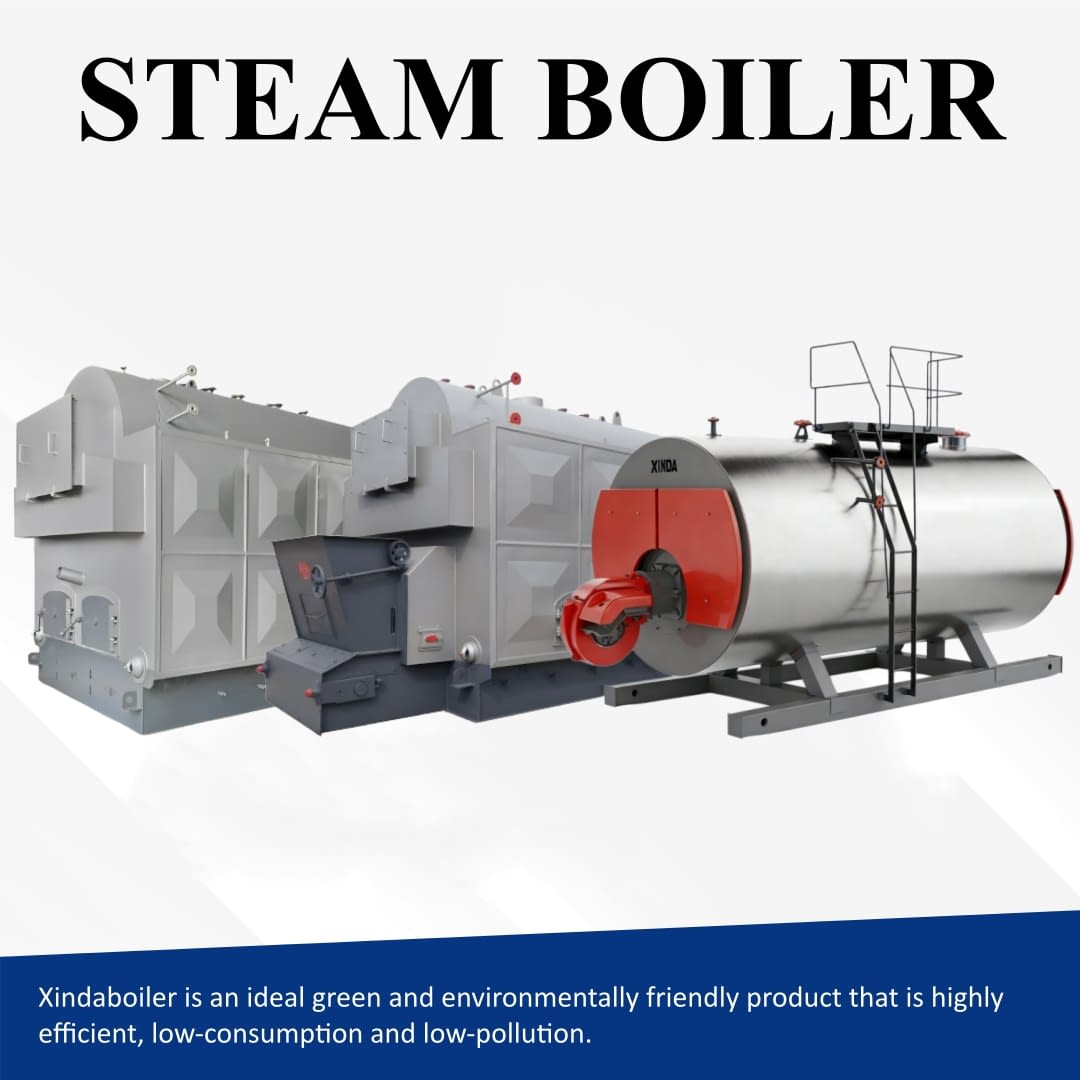
In a bread factory, the steam boiler is one of the core energy devices, mainly providing stable steam for key processes such as dough mixing, proofing, and baking of bread, directly affecting the taste, fluffiness, and product quality of the bread.
Dough proofing requires a stable temperature (28-32℃) and humidity (75%-85%). Steam can directly provide a warm and humid environment for the proofing box. Appropriate humidity can prevent the surface of the dough from drying out and forming a crust, while temperature can promote the activity of yeast, allowing the dough to fully expand and laying a foundation for the fluffiness of subsequent baking.
Introducing steam into the bread during its initial stage of being put into the oven is a key operation to improve the quality of the bread. Steam can make the temperature inside the oven more uniform, reducing the situation where some parts of the bread are burnt or undercooked.
A bread factory is a food production site, and its production equipment (dough mixers, baking trays, molds, etc.) needs to be disinfected at high temperatures regularly. The high-temperature steam produced by the steam boiler is a clean and disinfected medium free of chemical residues and meets food hygiene standards.
The bread factory also uses steam to heat the hot water in the production workshop for equipment cleaning, staff cleaning, etc. It can also be used to heat ingredients (such as syrup and oil), facilitating the even mixing of ingredients with the dough.
Steam boilers are used for disinfection in the medical industry
Steam boilers are widely used in the disinfection process of the medical industry. The core lies in using the high temperature and high penetration of saturated steam to sterilize medical devices, instruments and related items, meeting the strict requirements of aseptic operation in medical scenarios.
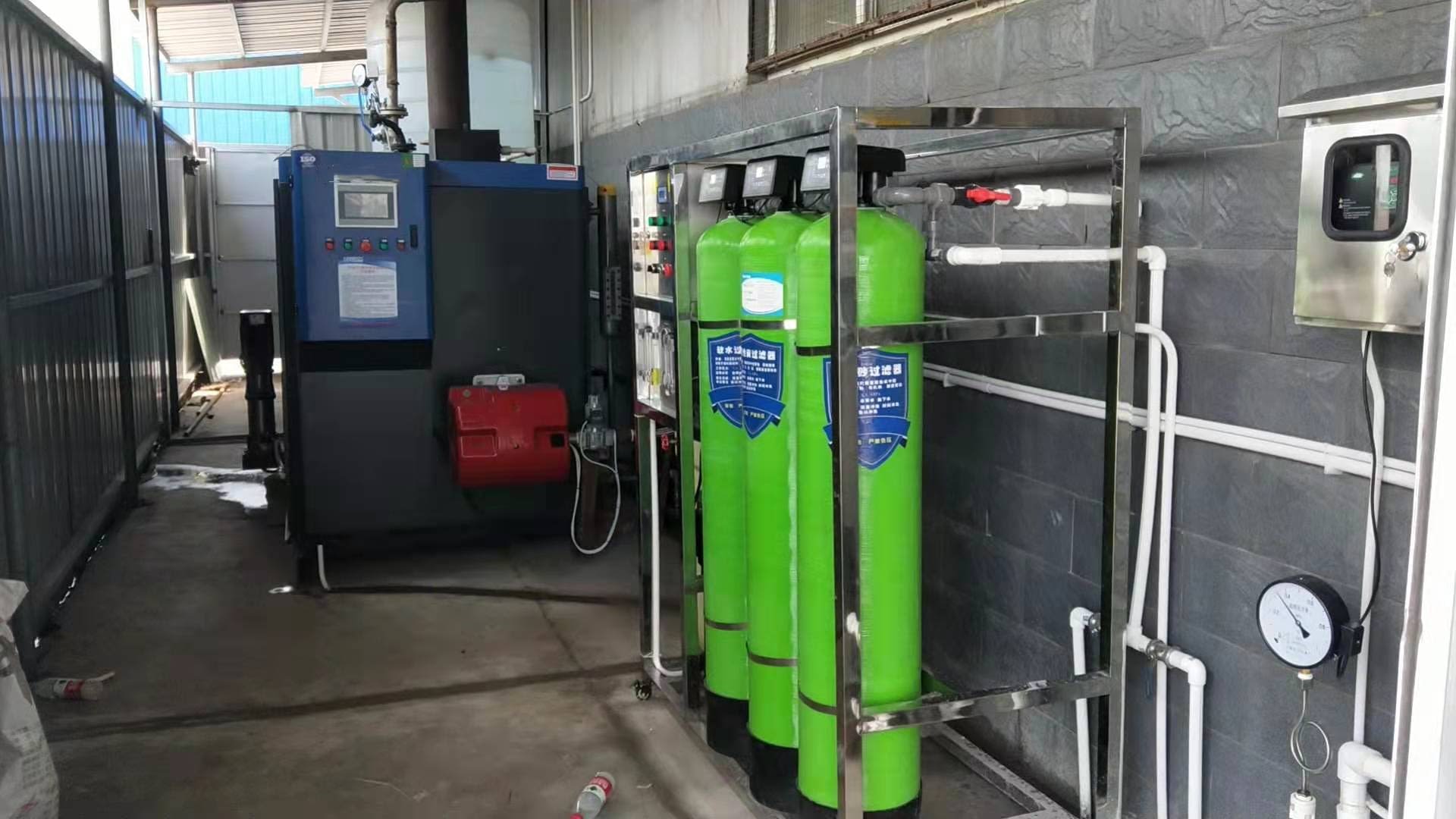
The saturated steam temperatuSteam boilers are widely used in the disinfection process of the medical industry. The core lies in using the high temperature and high penetration of saturated steam to sterilize medical devices, instruments and related items, meeting the strict requirements of aseptic operation in medical scenarios.
The saturated steam temperature produced by medical disinfection steam boilers is generally controlled at 121℃ -132℃, and sterilization is achieved through the following characteristics:
High-temperature inactivation of microorganisms: Temperatures of 121℃ and above can rapidly destroy the protein structure and nucleic acid of bacteria, viruses, spores and other microorganisms, rendering them inactive.
2. Strong penetrating power: When saturated steam meets the cold surface of instruments, it condenses into water, releasing a large amount of latent heat, which can penetrate into the crevices, cavities and other dead corners of the instruments. Compared with other methods of disinfection and sterilization, it is more thorough.
3. No residue: After steam disinfection, only moisture remains. After drying, there is no chemical residue. It will not cause corrosion to medical devices and will not affect subsequent medical use.
It is mainly applied in the sterilization of operating room instruments, disinfection of medical consumables, disinfection of wards and departments, and pretreatment of precision instruments such as endoscopes.re produced by medical disinfection steam boilers is generally controlled at 121℃ -132℃, and sterilization is achieved through the following characteristics:
High-temperature inactivation of microorganisms: Temperatures of 121℃ and above can rapidly destroy the protein structure and nucleic acid of bacteria, viruses, spores and other microorganisms, rendering them inactive.
2. Strong penetrating power: When saturated steam meets the cold surface of instruments, it condenses into water, releasing a large amount of latent heat, which can penetrate into the crevices, cavities and other dead corners of the instruments. Compared with other methods of disinfection and sterilization, it is more thorough.
3. No residue: After steam disinfection, only moisture remains. After drying, there is no chemical residue. It will not cause corrosion to medical devices and will not affect subsequent medical use.
It is mainly applied in the sterilization of operating room instruments, disinfection of medical consumables, disinfection of wards and departments, and pretreatment of precision instruments such as endoscopes.
The function of the steam header
The steam header is one of the key devices in the boiler steam system, and its core function is to evenly deliver steam to each steam-consuming equipment.
1. Steam distribution
This is the most core function. The steam generated by the boiler will be concentrated and enter the steam header. Then, through multiple branch valves on the steam header, the steam will be distributed to different steam-consuming terminals (such as heat exchangers, production equipment, heating systems, etc.) as needed.
2. Voltage stabilization and current stabilization
It has a certain volume and can act as a buffer. When the steam pressure of the boiler fluctuates or the load of each steam-consuming equipment changes, the steam header can balance the system pressure, prevent sudden rises and falls in pressure, and ensure that the steam pressure delivered to each branch is stable and the flow is uniform.
3. System maintenance and control are convenient
Each branch of it is equipped with an independent valve. When the steam-consuming equipment of a certain branch needs maintenance, the valve of that branch can be closed separately without affecting the normal steam supply of other branches. At the same time, it is also convenient to install pressure gauges, thermometers, safety valves and other monitoring and safety devices on the steam distribution.