by XINDA XINDA No Comments

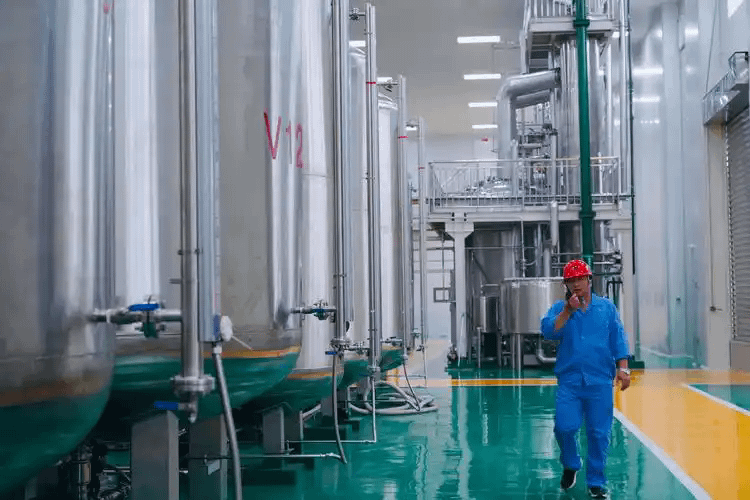
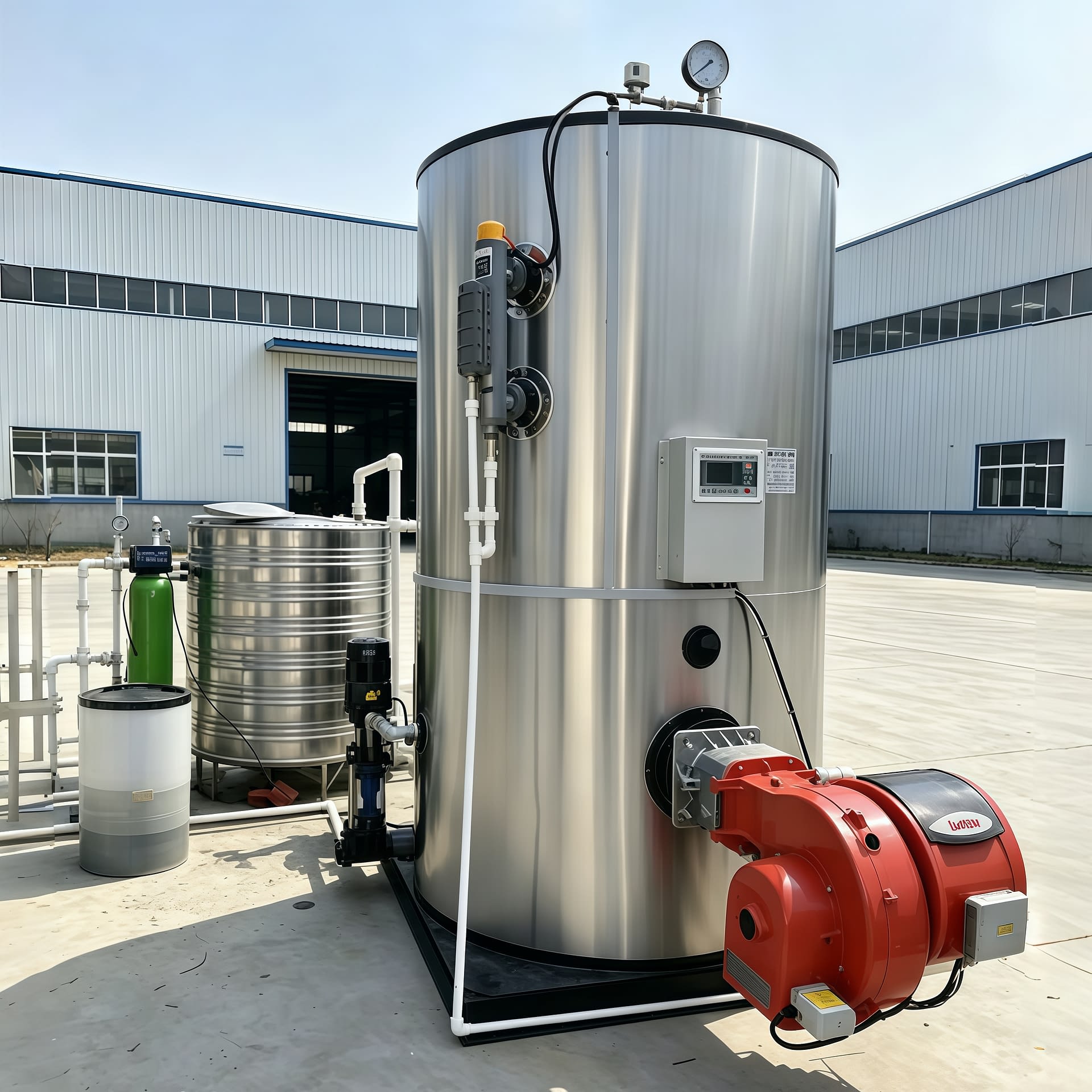
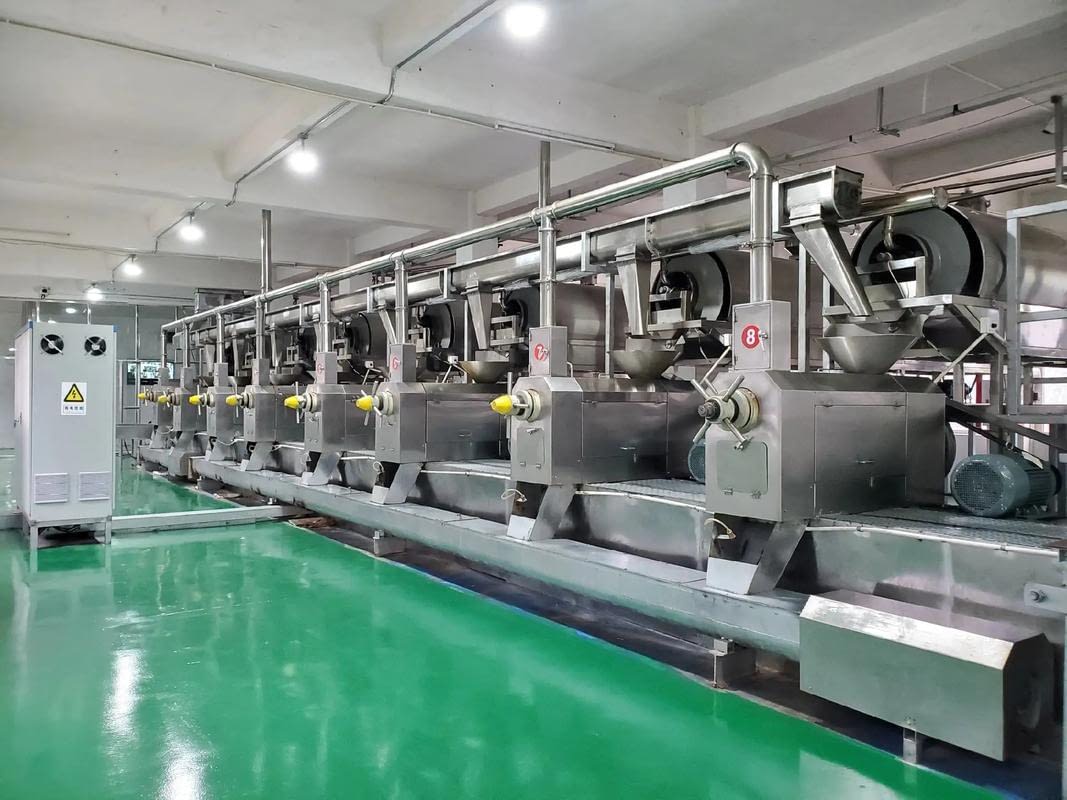
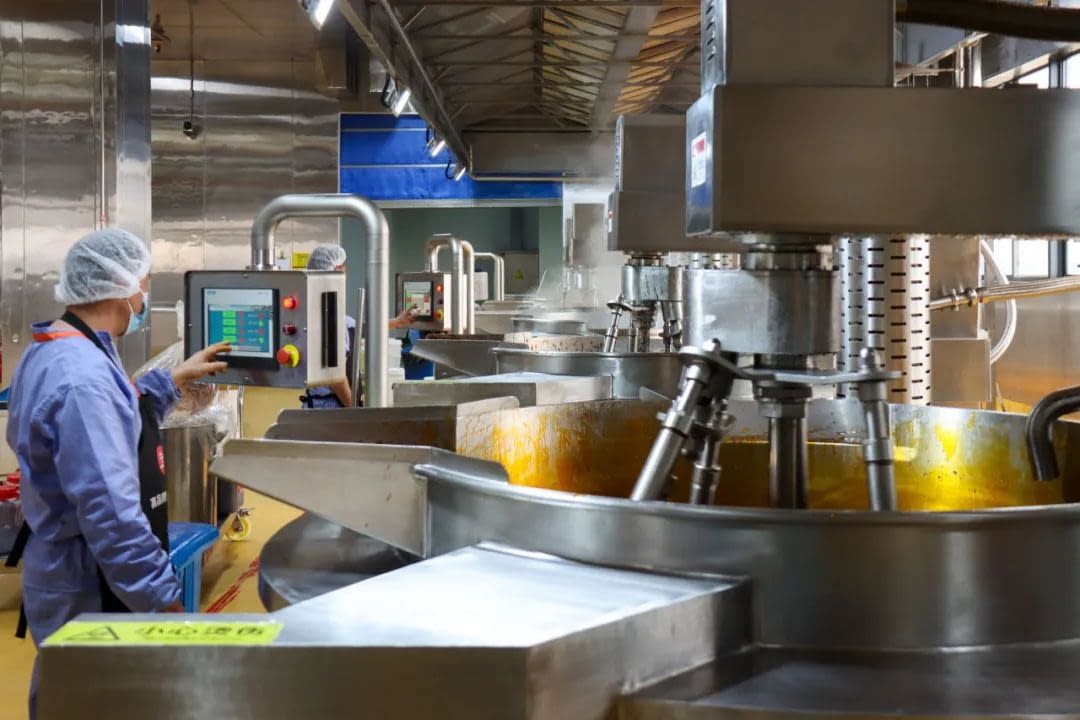
How should the food industry choose steam boilers

Determine the tonnage (evaporation steam capacity) 
Calculate the total steam consumption per hour for all steam-consuming equipment (sterilizer, double-layer pot, steamer, drying line, CIP cleaning), and add an additional 10% to 15% margin to cope with peak steam consumption and avoid insufficient steam supply.
Small store/central kitchen: 0.1-0.5t electric generator
Small and medium-sized cooked food and bean products: 1-2T gas stove
Canned food, sauce, continuous drying line: 3-6 tons of gas/biomass
Large-scale industrial parks: Over 6 tons. It is recommended to have one in use and one as backup

Select fuel based on the site and environmental protection (the most crucial)
1.Natural gas boiler (preferred for urban areas/industrial parks)
Low nitrogen combustion (NO <s:1> < 30mg/m³), clean fully automatic, high thermal efficiency, stable continuous production; Natural gas pipelines need to be connected.
2. Electric steam generator
Zero exhaust gas, simple environmental impact assessment; The volume is ≤30L. In most areas, no pot inspection is required and no certified boiler operator is needed. Suitable for small workshops and high-end food workshops; The disadvantage is that the electricity cost is high and it is not cost-effective on a large scale
3. Biomass wood boiler
The lowest operating cost; Suitable for suburban areas, gas-free, and large-scale processing plants with high production capacity; Dust removal and material storage facilities are required. Most areas in the urban area are restricted from approval

Steam Cleanliness (A Hard requirement in the Food Industry)
Indirect heat exchange (recommended for the vast majority of factories)
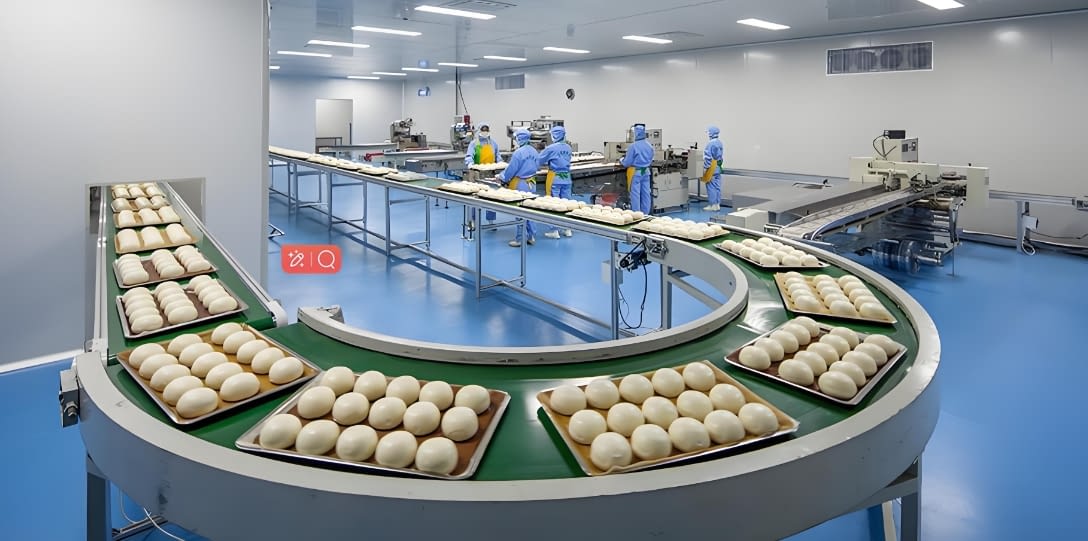
Boiler steam heats clean water, and the hot water comes into contact with the ingredients, posing no pollution risk. It is easy to pass the SC review and can be directly sprayed (for tofu and steamed buns)
It must be equipped with fully automatic softened water, with a 304 stainless steel inner tank preferred. The steam dryness should be ≥97%, and no rust or impurities should be mixed into the food
Supporting facilities: Fully automatic softened water, direct steaming process. It is recommended to install reverse osmosis equipment

Pressure and Furnace Type Selection
Conventional food processing: 0.4-1.0MPa saturated steam
Vertical boiler: Small floor space, fast pressure rise, intermittent production, suitable for small factories
Horizontal boilers: They have a large steam storage capacity, stable load, are suitable for 24-hour assembly line operations, and are used in large-scale industrial production

Quick Selection summary
In urban areas, there is natural gas and mass production on assembly lines: Choose low-nitrogen gas-fired steam boilers, which are stable and environmentally friendly, and suitable for the entire process of cooking, sterilization and drying.
For small workshops/central kitchens that do not want to conduct annual inspections of special equipment: Choose an electric steam generator, which is clean, free of exhaust gas and easy to operate.
A large factory in the suburbs, pursuing low cost: Choosing biomass pellet boilers, the fuel is cheap, but it needs to be equipped with dust removal equipment.
Steam needs to come into direct contact with food: Equipped with water treatment facilities to further improve water quality.
Long-term continuous production: It is recommended to have one in use and one on standby. The tonnage should be increased by 10% to 15% on the basis of the total steam consumption.

by XINDA XINDA No Comments

Spanish 2-ton horizontal biomass steam boiler

Project Address: Spain
Purchase of equipment: DZL
Application field: Wineries
This boiler is a horizontal biomass steam boiler used in wineries. The customer found Xinda Boiler on the Alibaba platform. Based on the customer’s hourly output of distilled wine, calculate the boiler needed at 2 tons per hour. After comprehensive consideration, the customer ultimately chose a horizontal chain 2-ton biomass steam boiler. The customer purchased an additional set of Xinda water softener, which can effectively prevent boiler scaling, filter impurities in water and extend the service life of the boiler. Finally, the boiler departs from the port of Shanghai and is transported by sea to the customer’s location.
Xinda horizontal chain biomass steam boiler features one-button operation, full automation, continuous steam production, and fast distillation and alcohol extraction, which is 2 to 3 times faster than traditional brewing. The steam production speed of brewing with Xinda boilers is fast, and steam can be produced within 5 to 8 minutes, with a thermal efficiency of up to 95%. According to customer feedback, after using Xinda boilers, the brewing quality has been very good.

by XINDA XINDA No Comments

The core importance of steam boilers in tomato paste production

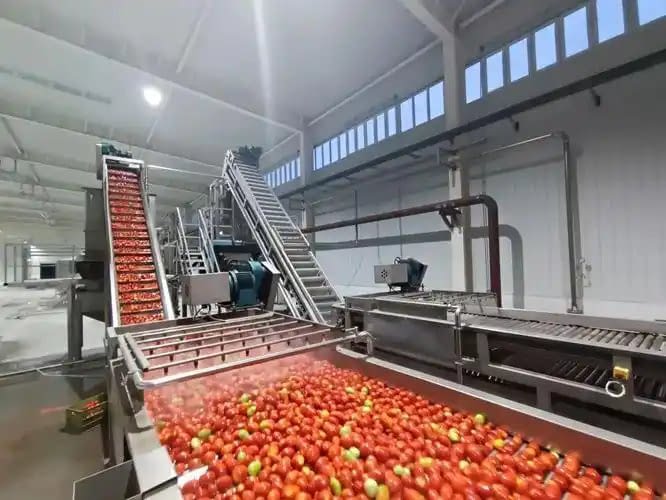
Steam boilers are irreplaceable core heat source equipment in tomato paste processing plants. All key processes of the entire production line rely on stable saturated steam supply, which directly determines product quality, production capacity, shelf life, and production costs. Without qualified steam supply, the entire production line cannot be put into operation. Its importance is reflected in five dimensions: process, quality, production capacity, hygiene, and cost.
Essential heat sources for production: The entire process, including pre-cooking, enzyme inactivation, concentration, sterilization, and equipment cleaning, all rely on steam. Without a boiler, the production line cannot operate.
Control product quality: The steam temperature is stable, which can preserve the color and consistency of the sauce, prevent layering, blackening and a burnt taste.
Support continuous mass production: During the tomato processing season, production needs to be non-stop for 24 hours. The boiler can continuously supply a large amount of steam to meet the demands of large-scale assembly lines.
Ensuring food safety: High-temperature steam is used to produce sterilized hot water to clean and sterilize pipelines and equipment, preventing sauces from deteriorating and swelling bags.
Save production costs: Compared with electric heating, it consumes less energy. When combined with multi-effect concentration equipment, it can further save fuel expenses.
In conclusion, the steam boiler is not merely a simple heating device but the core process hub of the tomato paste production line. From raw material processing, concentration, sterilization to cleaning and disinfection, the entire process cannot do without steam, which directly affects whether the production line can operate continuously, whether the finished products are qualified, the processing cost of the factory and its market competitiveness. It is the key supporting equipment that is essential and of the highest priority for the establishment of a tomato paste processing factory.

by XINDA XINDA No Comments

The importance of electric steam boilers for ovens

Now, let’s have the editor introduce to you the importance of using electric steam boilers in ovens:

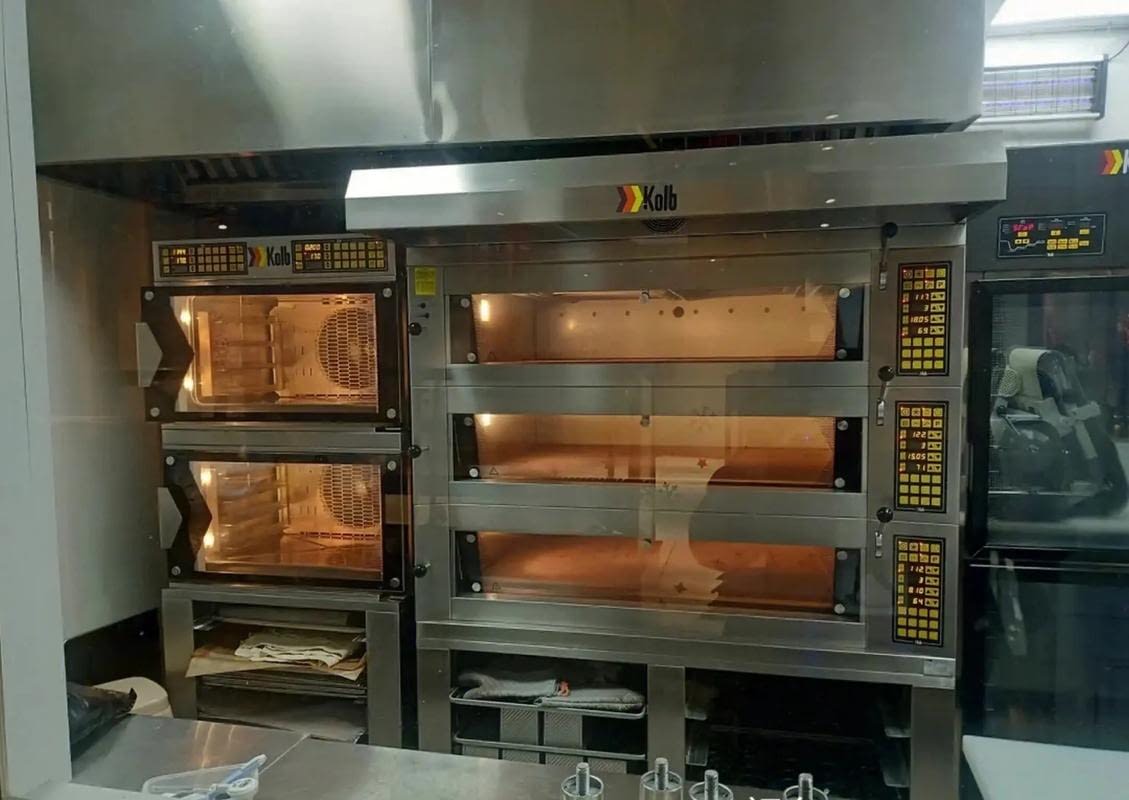
Improving bread quality: Sufficient dry steam makes the bread plump and full, with a bright and crispy crust, reducing cracked and defective products.

Stable batch production: Large steam supply, quick humidification even with frequent door openings, multiple ovens can be shared, and stable production capacity.

Protect the oven and reduce maintenance: Scale formation is concentrated inside the boiler, preventing blockage of the oven’s steam pipeline and extending the oven’s lifespan.

Energy-saving and cost-saving: Centralized steam production has less heat loss, is more energy-efficient compared to built-in steam in ovens, and is easier to maintain.

Facilitating standardized production: Adjustable pressure and water vapor control, stable steam dryness and wetness, and unified baking output standards.

Food hygiene and safety: When paired with softened water, the steam is clean and free of sewage droplets, meeting the requirements for food production.

Electric steam boilers are not merely auxiliary equipment for ovens; they are core supporting devices for achieving stable quality, standardized production, reducing equipment wear and tear, and controlling production costs in mass production baking. Especially in the scenarios of mass production of European-style bread and simultaneous production with multiple ovens, the lack of a stable external electric steam boiler will lead to a series of production problems such as high defect rates, limited production capacity, easy equipment failure, and unstable quality control.

by XINDA XINDA No Comments

How to choose a steam boiler suitable for the medical industry?

Here is a brief introduction on how to choose a suitable steam boiler for the medical industry:

1.Calculate the tonnage (size)
For sterilization cabinets, beds and laundry room equipment, an additional 20% margin should be reserved based on the maximum simultaneous steam consumption.
For large hospitals, two units (one in use and one as a backup) are provided, while for clinics, a single small boiler is needed.

2. Select fuel
In urban areas, there is natural gas: gas-fired condensing low-nitrogen boilers (the first choice, cost-effective and environmentally friendly)
Outpatient department, no gas: Electric heating boiler (clean, small footprint)
In remote areas without gas: Fuel is only used as a backup and is not recommended as the main force

3. Fixed pressure
Uniformly select a 1.0MPa steam boiler to supply the pure steam generator for sterilizing the instruments.

4. Mandatory accessories (Medical hard requirements)
Boiler steam cannot be directly disinfected and a 316 pure steam generator must be added. It is also equipped with a water softener.

5. Strict safety requirements
High and low water level, overpressure, flameout alarm, fully automatic PLC control, fault alarm.

6. Check the qualifications and after-sales service
It is necessary to have a special equipment production certificate, local after-sales service, and be convenient for emergency repair.

by XINDA XINDA No Comments

Steam boilers are used in the chemical industry

Steam boilers are one of the indispensable equipment in chemical production, running through the entire production process. They play a decisive role in the normal operation of enterprises, product quality, cost control and safe production.
First of all, it is the fundamental guarantee for the core processes of chemical engineering. The vast majority of key processes in chemical synthesis, reactions, distillation, evaporation, drying, etc. rely on steam as the heat source. Only a stable steam supply can keep the production line running continuously. Once the steam supply is interrupted, the entire production facility will be forced to stop.
Secondly, ensure the normal operation of materials and equipment. In chemical production, a large number of media have the characteristics of high viscosity, easy solidification and easy crystallization. Relying on steam tracing can effectively prevent the blockage of pipelines and storage tanks. It can also insulate instruments and valves, ensuring the precise operation of the automatic control system and preventing production abnormalities caused by equipment failures.
Furthermore, it can effectively reduce costs and increase efficiency. Steam has high heat exchange efficiency, uniform heat supply, and lower operating costs compared to other heating methods. Large-scale chemical enterprises can also utilize high-pressure steam to achieve cogeneration of heat and power, realizing the stepwise utilization of energy. Coupled with the centralized steam supply mode, this further reduces equipment investment and operation and maintenance costs.
At the same time, directly control the product quality. The pressure and temperature of steam are easy to precisely control, which can maintain the required working conditions of the process for a long time, reduce reaction fluctuations and the generation of by-products, and ensure the stability of product performance and the compliance of the qualification rate.
Finally, it concerns safety production and environmental protection compliance. A boiler and pipeline system that operates in a standardized manner can avoid safety hazards such as material pressure build-up, pipeline freezing and blockage, and medium leakage. Low-emission and environmentally friendly boilers can also meet the strict environmental protection standards of the chemical industry and help enterprises produce in compliance.

by XINDA XINDA No Comments

Mongolian 5-ton horizontal biomass steam boiler

Project Address: Mongolia
Purchase of equipment: DZL
Application field: Heating industry
This boiler is a horizontal biomass steam boiler used for heating. The customer found Xinda Boiler on the official website platform. Based on the area that the customer needs to heat, calculate the boiler required with a capacity of 5 tons per hour. After comprehensive consideration, the customer ultimately chose a horizontal chain 5-ton biomass steam boiler. The customer purchased an additional set of Xinda water softener, which can effectively prevent boiler scaling, filter impurities in water and extend the service life of the boiler.
The Xinda horizontal chain biomass steam boiler features one-button operation, full automation, and continuous steam production. The steam production speed of Xinda boilers is fast, with steam available within 5 to 8 minutes, and the thermal efficiency can reach 96%. According to customer feedback, after using Xinda boilers, the heating effect has been very good.

by XINDA XINDA No Comments

Norwegian 350kw biomass wood hot water boiler

Project Address: Norwegian
Purchase of equipment: CLHS
Application field: House heating
This boiler is a vertical biomass wood hot water boiler used for hotel heating. Based on the customer’s hourly demand for hot water, we recommend a 350kw hot water boiler to the customer. Considering the user’s own fuel requirements, a biomass hot water boiler was ultimately chosen. The delivery method of this project is FOB, and it will be delivered to the customer’s country by sea.
The fuel of xinda vertical biomass wood hot water boiler is biomass, wood, leaves, fruit shells, wheat ears, straw, etc. The microcomputer system is adopted to control the automatic ignition, automatic feeding and automatic water supply of the boiler. Only fuel needs to be added 1-2 times a day, which greatly reduces the manpower and material resources. Biomass hot water boilers are not only convenient to use but also have a relatively low operating cost. Undoubtedly, they are an ideal boiler equipment

by XINDA XINDA No Comments

Why do many people buy steam generators?

First of all, we first understand the difference between steam generators and boilers, steam generators are small inspection free boilers, working principle and boilers, are the use of energy (fuel and other energy) to heat water to produce steam mechanical equipment. The pressure of the steam generator is small, small and convenient, and will not take up too much space. Secondly, the steam generator is relatively low in cost compared to the boiler, and it will not cause too much economic pressure for small businesses and users.
Xinda steam generator adopts intelligent control system, automatic operation, automatic water supply, low pressure automatic work, high pressure automatic stop, safe and reliable, saving time and labor.

by XINDA XINDA No Comments

The Importance of steam boilers for heating in aquaculture

Steam boiler heating can maintain a constant temperature in the pens, reduce frostbite and cluster casualties among livestock and poultry, and increase the survival rate. Suitable temperature can accelerate growth, save feed and reduce the incidence of diseases at the same time. It has a large heat supply and is suitable for large-scale breeding, ensuring the stable operation of breeding production.

Ensure the survival of livestock and poultry
Low temperatures can easily cause frostbite in young children and casualties due to clustering and squeezing. Stable heating can significantly reduce the mortality rate.

Improve growth efficiency
Under suitable temperatures, livestock and poultry eat normally, grow fast, have a short marketable cycle, and reduce feed consumption.
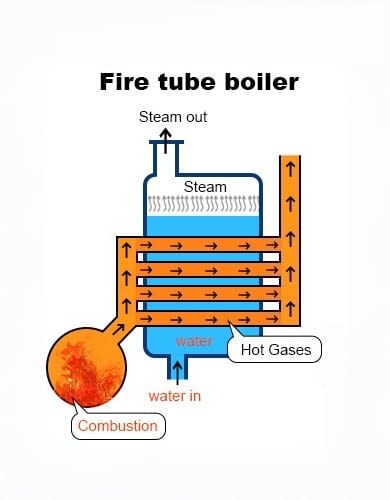
Reduce the occurrence of diseases
The temperature in the pen is stable with a small temperature difference, which can effectively resist respiratory and gastrointestinal diseases and reduce the need for medication.
Adapt to large-scale breeding
The steam boiler provides sufficient heat supply and has a wide coverage area. Multiple pens can be centrally heated, which is worry-free and labor-saving.
Energy conservation and cost reduction
The condensate water is recycled and reused, resulting in less heat loss and lower long-term operating costs.

The environment is controllable
Unaffected by the weather, it maintains a constant temperature throughout the four seasons, ensuring stable and uninterrupted breeding production.